
Principal Newsletter: Connecting School Families With Food Bank Resources
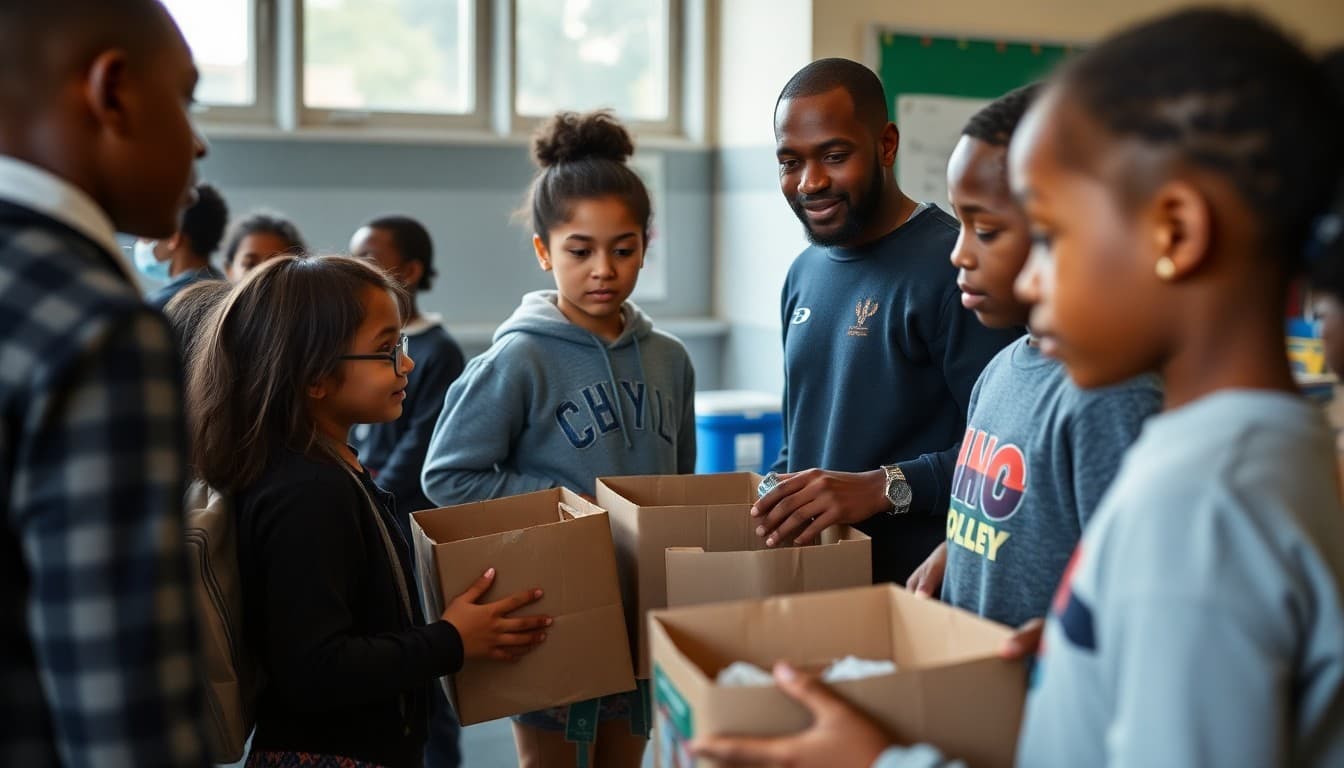
Food insecurity in school communities is more common than most principals publicly acknowledge, and it is present in schools at every income level. A newsletter that connects families with food bank resources without shame or announcement is one of the highest-impact communications you can send. It costs nothing to write and can change a family's week.
Send It to Everyone, Not Just Who You Think Needs It
The most important structural decision in this newsletter is that it goes to every family, not to a targeted list of families you believe are struggling. Families facing food insecurity are not always visible. A family that appears financially stable may be one missed paycheck away from a food crisis. A newsletter sent to everyone normalizes the resource and removes the stigma of being the family who received the targeted letter.
Name the Specific Resource and How to Access It
Give the name of the food bank or pantry, its location, operating hours, and any eligibility requirements. If no documentation is required, say that explicitly. If the food bank requires proof of address and the school can assist with documentation, explain how. Families who have never used a food bank often assume the process is more complicated than it is. The newsletter that names the exact steps removes the uncertainty that prevents families from going.
Describe What the Resource Provides
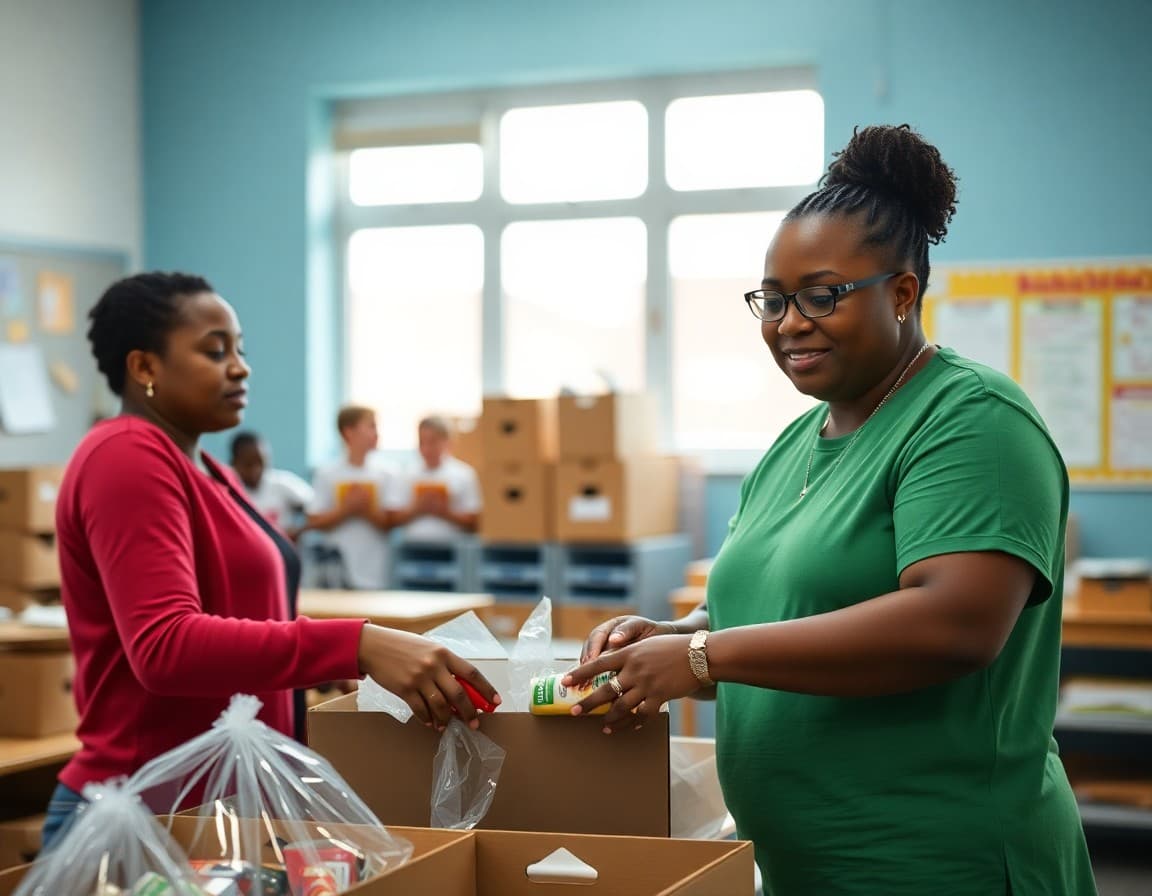
Tell families what the food bank distributes. Produce, protein, shelf-stable goods, dairy, and any specialty items for families with specific dietary needs. If the school operates an on-site pantry, describe what it carries and how often it is restocked. Families who know the pantry has fresh produce in addition to canned goods will use it differently than families who assume it only carries damaged or near-expiration items.
Offer a Private Contact Path
Give families a discreet way to connect if they want help navigating the resource or need something the newsletter did not describe. An email to the counselor. A private line to the office. A sealed request form in a neutral location. The families who most need the resource are often the least likely to walk into the front office and ask for help publicly. Make the private path easy to find and use.
Connect It to the School Breakfast and Lunch Program
If you have not recently sent a newsletter about free and reduced meal applications, this is an appropriate place to mention them. Families who qualify for the meal program but have not applied are leaving a direct benefit on the table. A brief note with the application link extends the reach of this newsletter significantly.
Normalize This as Annual Communication
Close with a statement that positions this as part of how the school serves its community, not as a one-time crisis response. The school shares these resources every year because food security supports learning. Daystage makes it easy to schedule this newsletter as part of an annual communication calendar so it goes out at the same time each year without having to rebuild it from scratch.
Get one newsletter idea every week.
Free. For teachers. No spam.
Frequently asked questions
What should a food bank resource newsletter include?
The specific resource and how to access it: address, hours, eligibility requirements if any, and what documentation if any is needed. A private contact path for families who want help connecting. A statement that removes stigma from accessing the resource. The school's role if the food bank is on-site or school-facilitated. Any upcoming distribution dates.
How do I write about food insecurity without making families who need help feel exposed?
Address the entire community. Tell every family that the resource exists, how to access it, and that it is there for anyone going through a difficult stretch. The newsletter should read as if it is sent to all families because it is. Families who need it do not have to identify themselves by the act of reading it.
How do I write a food resource newsletter without it sounding like a crisis communication?
Frame it as a community resource that the school is proud to connect families with, not as a response to a crisis. Schools that communicate about food resources annually, as part of a consistent community support communication, normalize access in a way that one-off crisis newsletters do not.
Should the newsletter address the school food pantry specifically?
If the school operates an on-site pantry, yes. Describe what it carries, how to access it, and how to receive items discreetly if privacy is a concern. On-site pantries are often the highest-impact food resource a school can offer because they remove the transportation barrier entirely.
What tool helps principals send newsletters efficiently?
Daystage is built for school newsletters. A community food resource communication with distribution dates, access instructions, and private contact links can be formatted and sent to all families in one step.

Adi Ackerman
Author
Adi Ackerman is a former classroom teacher and curriculum writer with 8 years in K-8 schools. She writes about school communication, parent engagement, and what actually works in real classrooms.
More for Principals
Ready to send your first newsletter?
3 newsletters free. No credit card. First one ready in under 5 minutes.
Get started free