
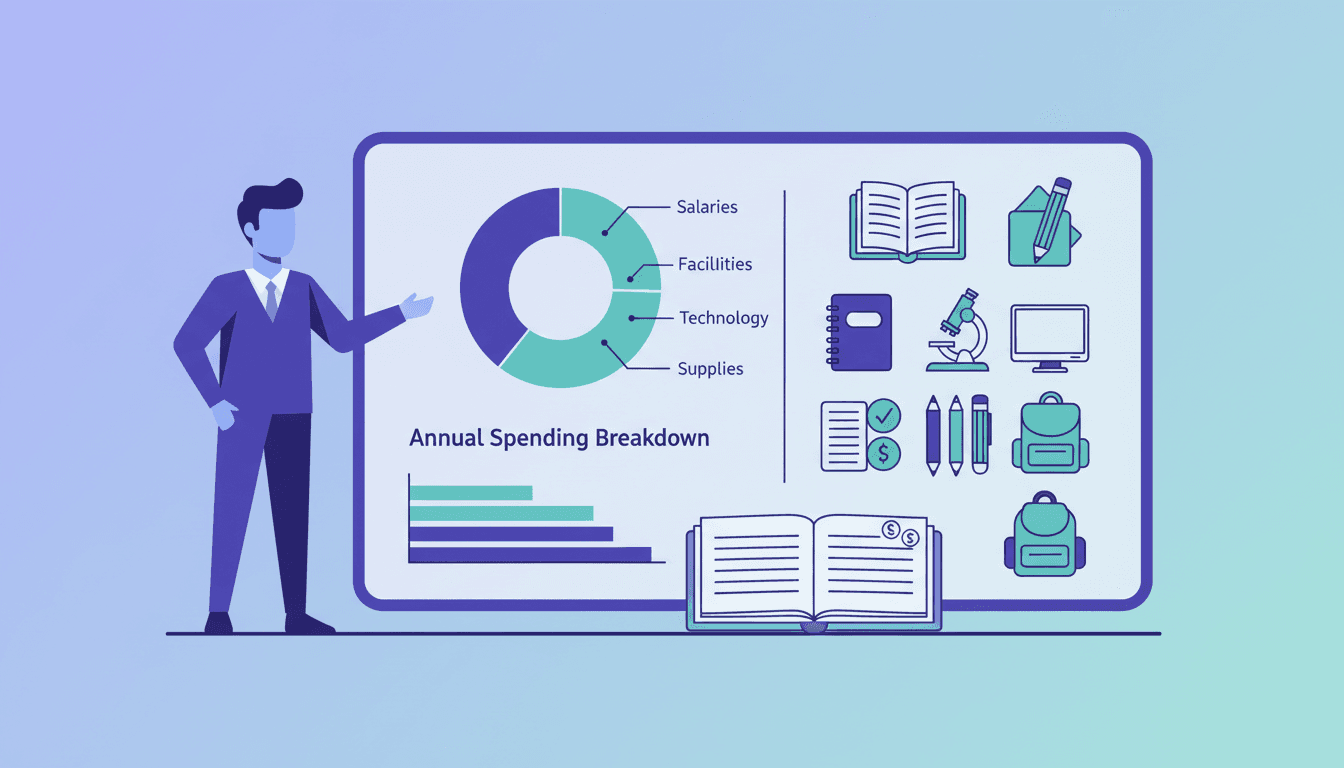
Using the School Newsletter to Build Budget Transparency With Families
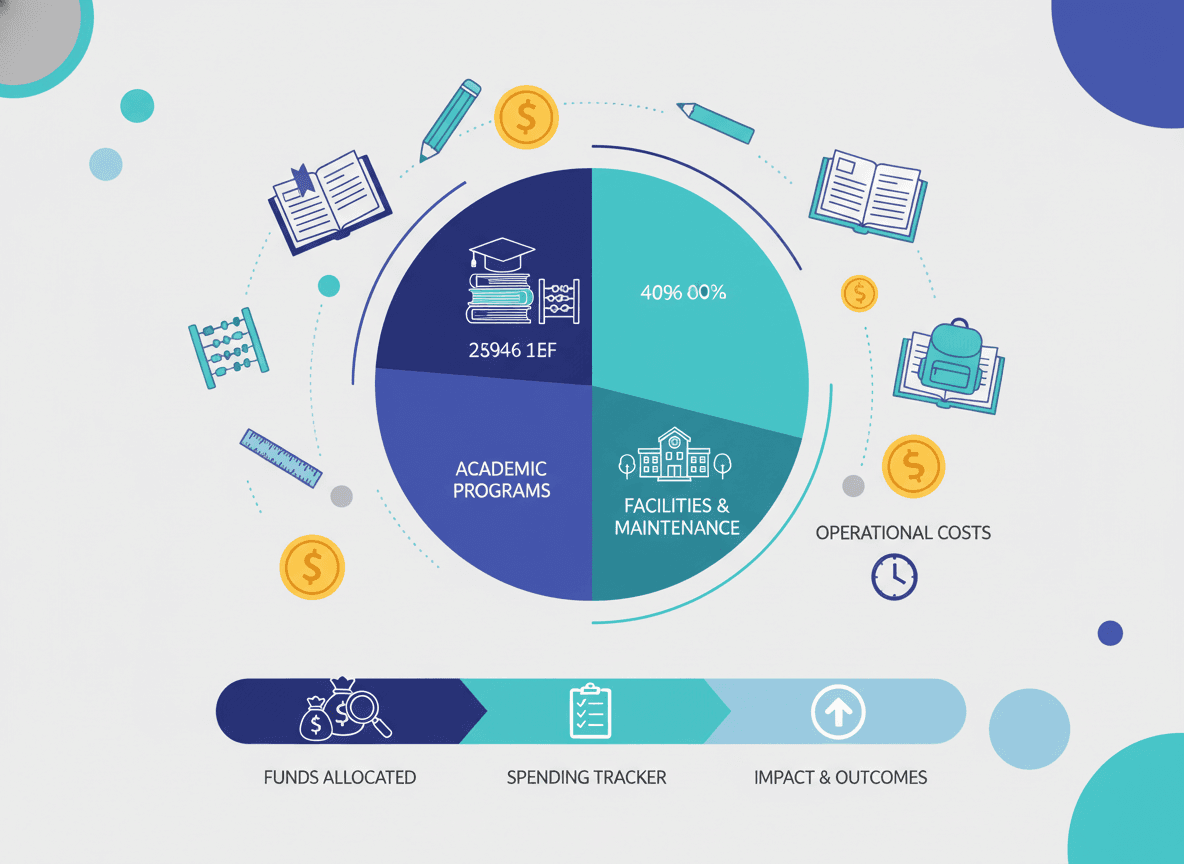
Parents wonder why the art program got cut. They see the hallways need painting and wonder why it has not happened. They hear rumors about layoffs and do not know what is true. They watch a new program launch while another one disappears and cannot make sense of the pattern.
Most of the time, there are real, explainable answers to these questions. The problem is that schools are not in the habit of explaining them. Budget decisions get made by district leadership, filtered through principals who are constrained in what they can share, and presented to families as a series of changes they did not see coming.
The newsletter is an underused tool for changing that dynamic. It cannot share everything, and it should not try to. But it can build enough budget literacy among families that they understand the basic framework before the next difficult decision arrives.
Why budget transparency matters for family trust
Families who do not understand how the school budget works make up their own explanations. When art gets cut, some families assume it is a district priority problem. Some assume the principal chose to cut it. Some assume money is being mismanaged. All three of those assumptions are possible, and without information, families cannot distinguish between them.
A principal who proactively explains how the budget works, what the school controls versus what the district controls, and how decisions get made is a principal who gives families the framework to evaluate decisions accurately. That framework is what turns a frustrated parent into a constructively engaged one.
Transparency does not mean sharing every line item. It means helping families understand the structure. Where does school funding come from? What categories of spending are set by the district? What discretion does the principal actually have? Most families do not know the answers to these questions, and not knowing makes every budget-related change feel arbitrary.
What to include in a budget transparency newsletter
Budget transparency content in a principal newsletter falls into two categories: explanatory content that builds general understanding, and situational content that addresses a specific decision or change.
Explanatory content is most effective at the start of the year or when you first introduce budget communication:
- Where the school's budget comes from. A brief explanation that state funding is based on enrollment, that federal funds are tied to specific programs, and that local funds vary by district. One paragraph. Families do not need a finance course; they need enough to understand why a drop in enrollment affects what programs the school can offer.
- What the principal controls versus what the district controls. Many families assume the principal has broad spending authority. In most schools, the discretionary budget is a small fraction of total spending. Explaining this honestly protects the principal's credibility when families ask why the principal does not simply "choose to" fund a program.
- How the school's discretionary funds are being used. Where is the principal actually making choices this year? A sentence or two naming the categories and the reasoning builds confidence that funds are being stewarded thoughtfully.
Situational content addresses a specific change or decision:
- Why a specific program is being reduced or eliminated. Be direct about the reason. "The district reduced our Title I allocation by $40,000 this year, which means we could not continue the extended-day reading program at its current size" is honest. "Due to funding constraints, some programs have been adjusted" is the version that makes families distrust you.
- What is being added and why. If new resources are coming, explain what made that possible. Families who understand that a grant funded the new music equipment are more likely to appreciate the program and advocate for its continuation.
- How families can engage with budget decisions. Are there public hearings? District meetings where families can comment? A budget advisory committee with open seats? Tell families how to participate if they want to.
What budget transparency is not
Budget transparency in a school newsletter is not a political statement about funding adequacy. If you believe the school is underfunded and you want to advocate for more resources, that advocacy is legitimate, but the newsletter is not the right vehicle for it. Families who receive a newsletter that reads like a funding advocacy piece start to feel like they are being recruited rather than informed.
It is also not a line-by-line budget disclosure. Most parents do not need to know the exact cost of every supply purchase or staff stipend. What they need is the story: where the money comes from, how decisions get made, and what the trade-offs look like.
Avoid comparisons to other schools in a way that sounds competitive or self-congratulatory. "We spend more per pupil on arts programming than any school in the district" may be true, but leading with it positions the newsletter as a marketing document rather than a transparent communication.
Timing for budget communication in the newsletter
Budget transparency communication is most effective when it is proactive rather than reactive. The worst time to explain the budget is after families are already angry about a cut. The best time is at the start of the year, when you can set expectations about what the year looks like financially and why.
A brief budget update when district or state allocations are announced, even if the news is neutral, builds the habit of transparent communication. Families who receive regular budget context throughout the year are far less likely to be shocked or outraged when a difficult decision arrives.
Using Daystage for budget communication
Budget content works well in a dedicated section of your regular newsletter. In Daystage, you can add a "Budget and Resources" block to your newsletter template and include it when you have relevant updates. Families learn to look for it, which normalizes the conversation around school finances.
When a specific budget decision needs its own newsletter, Daystage lets you draft and send a standalone issue quickly, with a clear subject line and focused content. A dedicated budget communication newsletter, sent promptly after a decision is made, demonstrates that you are not trying to hide the information in a long omnibus update.
Transparency builds credibility over time
A principal who communicates about the budget consistently, honestly, and in plain language builds a different kind of credibility than one who only sends communication when things are going well. That credibility is what carries a school community through difficult decisions without losing family trust.
Get one newsletter idea every week.
Free. For teachers. No spam.
Frequently asked questions
When should a principal address school budget topics in the newsletter?
Budget communication is most effective when it is proactive, not reactive. The best time is at the start of the year, before any difficult decisions arrive. A brief budget update when district or state allocations are announced, even if the news is neutral, builds the habit. Families who receive regular budget context are far less likely to be shocked when a program gets cut.
What should a principal include in a budget transparency newsletter?
Cover two categories: explanatory content that builds general understanding, and situational content that addresses a specific decision. Explanatory content answers where funding comes from, what the principal controls versus what the district controls, and how discretionary funds are being used. Situational content names a specific change, explains the real reason for it, and tells families how to engage if they want to.
How should a principal explain budget decisions to families?
Be direct and specific. 'The district reduced our Title I allocation by ,000 this year, which means we could not continue the extended-day reading program at its current size' is honest communication. 'Due to funding constraints, some programs have been adjusted' is the version that makes families distrust you. Use real numbers and real reasons whenever you can.
What should principals avoid in budget communication?
Avoid making the newsletter feel like a funding advocacy document. Families who receive a newsletter that reads like a political argument about underfunding start to feel recruited rather than informed. Also avoid sharing every line item or comparing spending to other schools in a self-congratulatory way. Families need the story of the budget, not a finance report.
What tool helps principals send budget communication consistently?
Daystage lets you add a dedicated budget section to your regular newsletter template so it appears when relevant and families learn to look for it. When a specific budget decision needs its own standalone newsletter, Daystage lets you draft and send it quickly with a clear subject line, which demonstrates you are not trying to hide the information in a long omnibus update.

Adi Ackerman
Author
Adi Ackerman is a former classroom teacher and curriculum writer with 8 years in K-8 schools. She writes about school communication, parent engagement, and what actually works in real classrooms.
More for Principals
Ready to send your first newsletter?
3 newsletters free. No credit card. First one ready in under 5 minutes.
Get started free