

Breakfast in the Classroom: How Principals Communicate This Program to Families
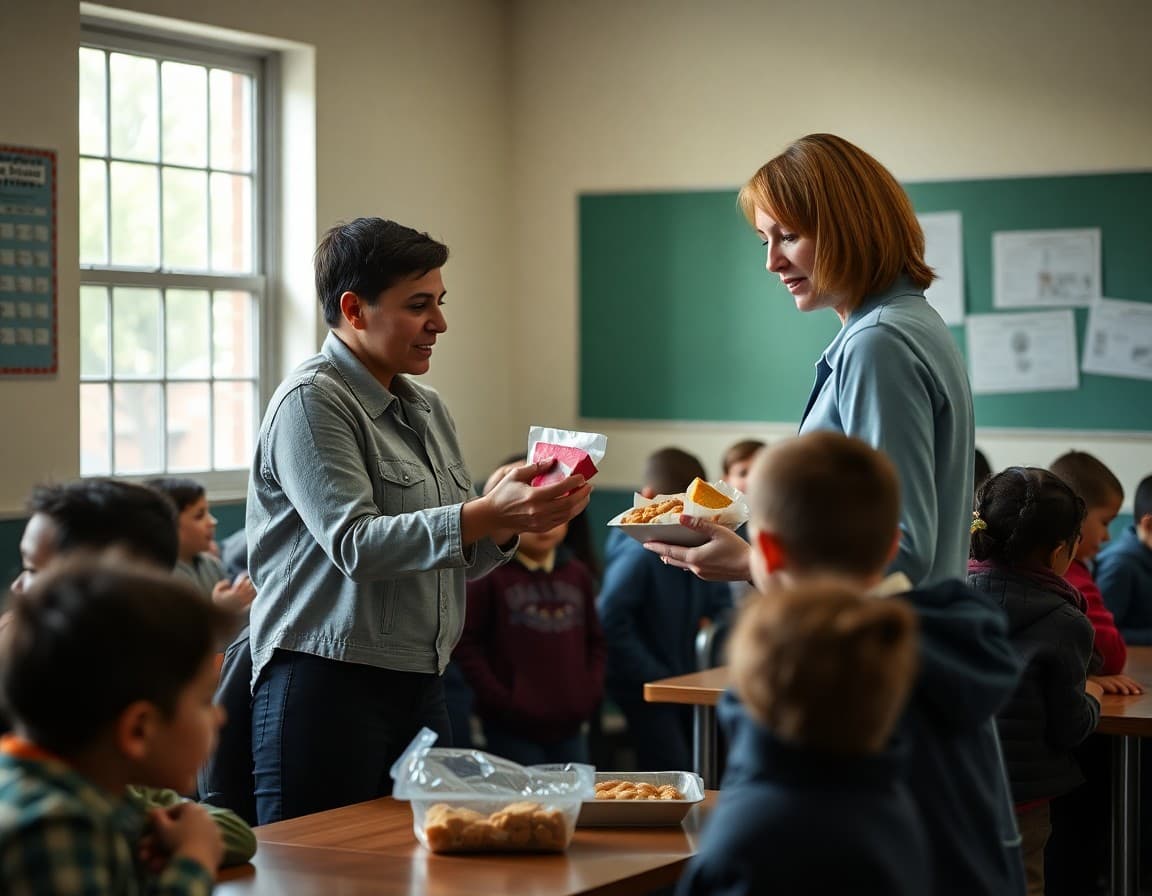
Breakfast-in-the-classroom programs are among the most research-supported academic interventions a school can implement. They are also among the programs most likely to generate family questions if the communication does not get ahead of the concerns. A well-written newsletter announcement addresses the research, the logistics, and the common objections in a way that turns potential resistance into genuine support.
Lead with the academic rationale
Families who understand why the school is making this change respond very differently from families who learn about a new morning routine without context. Open with the evidence:
'Students who eat breakfast show measurably better concentration, higher performance on assessments, and lower rates of absence. In our school, a significant number of students arrive without having eaten. Breakfast in the classroom ensures that every student has the nutrition they need to learn, regardless of what happened before they arrived.'
Describe the logistics precisely
Families who picture chaos in the classroom need to see how the program actually works:
- What time breakfast is distributed and how long it takes
- What foods are served (typically individually wrapped, easy to handle)
- Who distributes breakfast (teacher, student helpers, nutrition staff)
- How cleanup is managed and how long it takes
- Whether instructional time begins during or after breakfast
Address the food allergy concern directly
This is the concern that generates the most email. In the newsletter:
- Name the foods that are never served in the program (common allergens like peanut products, if applicable)
- Describe how students with documented dietary restrictions receive safe alternatives
- Name who to contact if a family has a documented allergy that has not yet been reported to the school
Clarify participation for students who ate at home
Families often assume a breakfast program requires participation. Clarify that students who arrive having eaten can sit with their class during breakfast time and choose to eat or not. The program is designed to ensure access, not to replace what families provide at home.
Describe the equity purpose plainly
Schools with food-insecure students sometimes frame breakfast programs in ways that feel apologetic or avoid naming the reality directly. The newsletter does more good when it states the purpose plainly: some students come to school without enough to eat, and that affects their ability to learn. The breakfast program is the school's response to that reality.
Daystage makes it easy to send a nutrition program newsletter with allergy protocol information, breakfast schedule details, and contact information for families who have specific dietary concerns.
Get one newsletter idea every week.
Free. For teachers. No spam.
Frequently asked questions
What concerns do families typically have about breakfast in the classroom?
Mess, food allergies, instructional time loss, and whether their child still needs to eat at home. Address each of these directly in the newsletter. Families who have their concerns acknowledged before they ask them respond to the program with much less resistance than families who feel the school did not consider the complications.
How do I explain the academic rationale for breakfast in the classroom?
The research is straightforward: students who eat breakfast demonstrate better concentration, higher standardized test scores, and lower rates of absenteeism. For schools where food insecurity affects a significant portion of students, breakfast in the classroom is one of the highest-impact academic interventions available. Say this plainly.
How do I handle the food allergy concern in the newsletter?
Describe your allergen protocols: what foods are never served, how students with documented allergies receive safe substitutes, and who manages the daily distribution. Families with allergic children need to know the school has a specific plan, not just a general awareness of the issue.
What do I tell families who say their child already eats at home?
The program does not require students to eat the school breakfast. Students who arrive having eaten are welcome to sit with their peers during breakfast time. Participation is available, not mandatory. Many families find their child eats both breakfasts without issue. This is worth saying plainly.
What tool helps principals send newsletters efficiently?
Daystage lets you send a breakfast program announcement with program details, allergy protocol links, and nutrition information formatted in a clean newsletter section families can reference throughout the year.

Adi Ackerman
Author
Adi Ackerman is a former classroom teacher and curriculum writer with 8 years in K-8 schools. She writes about school communication, parent engagement, and what actually works in real classrooms.
More for Principals
Ready to send your first newsletter?
3 newsletters free. No credit card. First one ready in under 5 minutes.
Get started free