
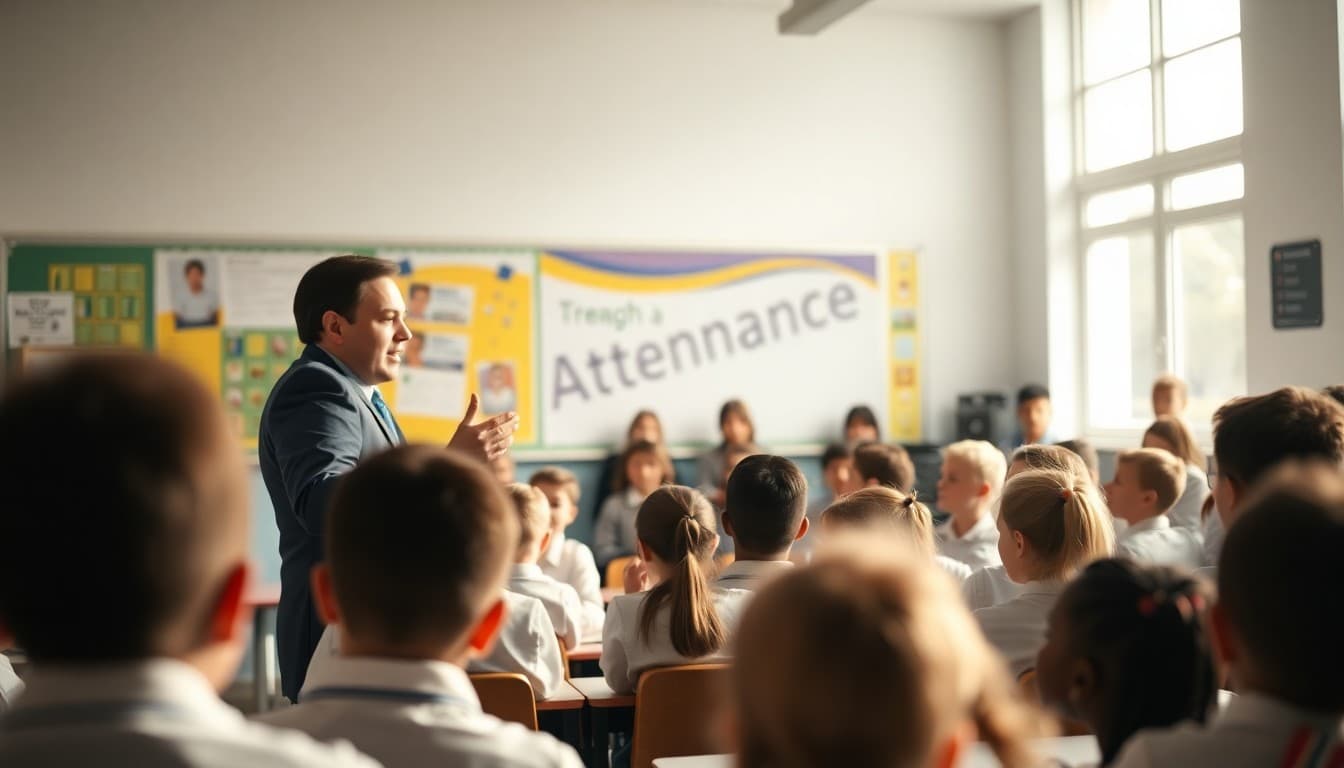
Using Your Principal Newsletter to Improve Student Attendance
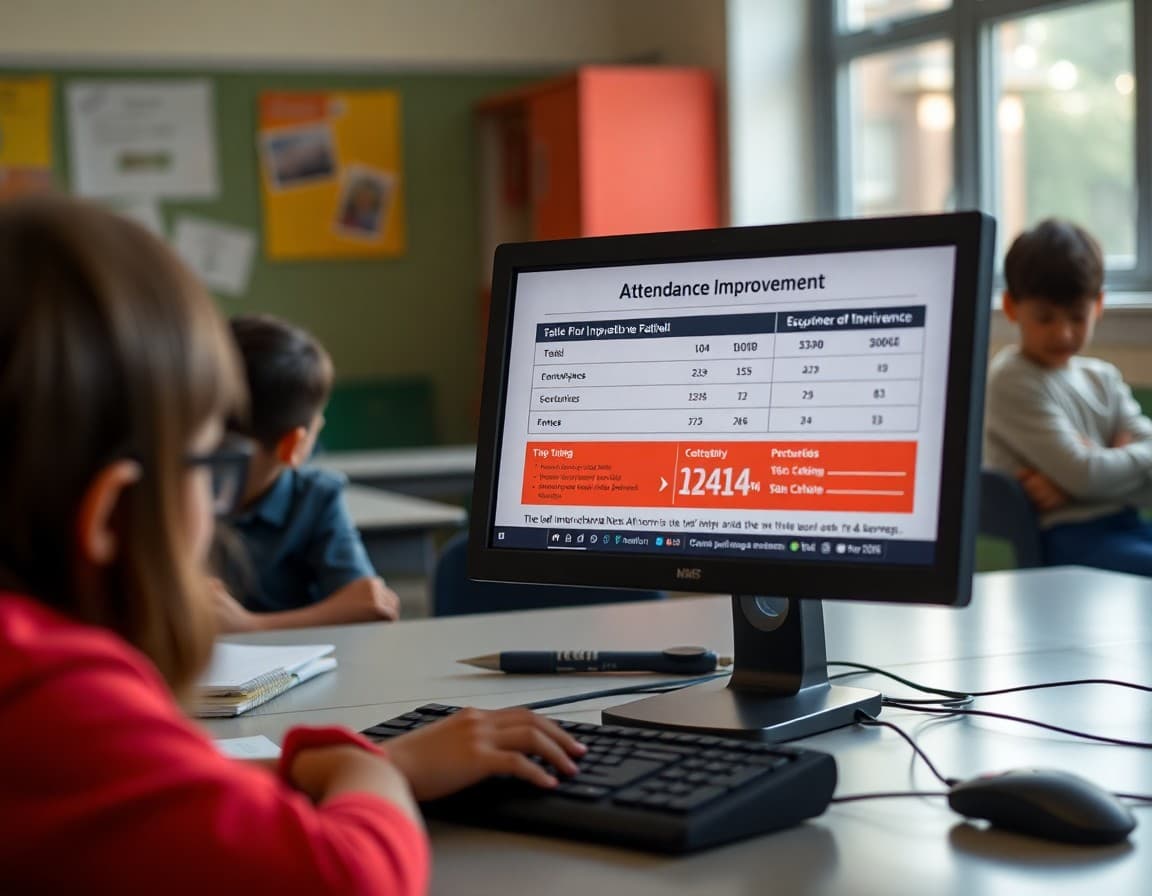
Chronic absenteeism is one of the most predictive indicators of student academic failure, and most families have no idea their child is chronically absent until the situation is already serious. A principal newsletter that makes attendance data transparent, celebrates improvement, and gives families practical tools for addressing barriers is one of the most direct interventions a school can make against the absenteeism problem. Communication cannot fix every attendance barrier, but it can fix the ones caused by families not knowing what the stakes are.
Share Attendance Data Every Month
Families who see attendance data regularly develop a calibrated sense of what the school considers normal and good. A monthly attendance update in the newsletter is the minimum: "Our school-wide attendance this month: 93.4 percent. Our goal is 95 percent. September was our best month at 95.1 percent. October dipped as illness season began. Here is what 93.4 percent means: approximately 26 students absent on any given school day." Making the number concrete gives families a way to understand the scale without it feeling abstract.
Define Chronic Absenteeism Explicitly
Many families do not know what the chronic absenteeism threshold is. They think their child is fine if they only miss school when truly sick. But 18 absences across a 180-day year, which is 10 percent of school time, qualifies as chronic regardless of reason. "Chronic absenteeism is defined as missing 10 percent or more of school days. In our 180-day school year, that is 18 days or more. Missing two days a month for illness throughout the year crosses this threshold. We share this not to alarm families but because many families are surprised when their child hits this threshold and did not realize it was happening."
Celebrate Attendance Milestones
Recognition works as well for attendance as it does for academic achievement. Monthly recognition of classes with perfect or near-perfect attendance creates positive social pressure. "Attendance award for October: Mrs. Grant's 4th grade class achieved 98.7 percent attendance for the month. Second place: Mr. Okafor's 2nd grade at 97.2 percent. Our current school-wide leader in year-to-date attendance: our kindergarten classes, collectively at 96.1 percent."
Address Common Barriers with Specific Solutions
Families miss school for specific, addressable reasons. A newsletter that acknowledges the real barriers and provides real solutions does more for attendance than a newsletter that just asks families to come: "Transportation challenges: our district provides free bus service to all students. Call 555-0150 to arrange or modify a bus route. Health barriers: our school nurse offers morning wellness checks for students who are uncertain whether they are well enough for school. Call before 8am. Fear or anxiety: if your child is consistently resistant to attending school, speak with our counselor. This is a common and treatable challenge."
A Template Excerpt for an Attendance Campaign Newsletter
"We are launching our November Attendance Challenge. Here is the goal: as a school, we will reach 95 percent attendance for the full month of November. That means no more than 20 students absent on any given day. Here is where we are: our October average was 93.1 percent, about 27 students absent per day. We can do better. Why it matters: students who attend 95 percent or more of school days are significantly more likely to read at grade level by 3rd grade and to graduate on time. Here is what you can do: if your child is sick, keep them home. If your child is avoiding school for social or emotional reasons, call us this week. We would rather hear from you in November than in June. Let's do this together."
Track and Report Progress Through the Campaign
An attendance campaign that starts with a newsletter and never follows up feels like a one-time PR effort rather than a genuine school priority. Send a mid-month update during the campaign: "Two weeks into our November Attendance Challenge: we are at 94.2 percent, up from our October average of 93.1. We are close. The final two weeks matter." Visible progress tracking motivates continued effort.
An attendance campaign run through the principal newsletter is one of the most cost-effective school improvement strategies available. It takes about 30 minutes per newsletter to include meaningful attendance data and guidance. The return, in students who are present and learning rather than absent, is measured in academic outcomes that last for years.
Get one newsletter idea every week.
Free. For teachers. No spam.
Frequently asked questions
How can a principal newsletter actually improve student attendance?
By sharing attendance data regularly, naming attendance as a school priority, celebrating improvement, and giving families practical information about why attendance matters and how to address barriers. Families who understand that missing 18 days means their child is chronically absent, not just occasionally, make different decisions than families who have no frame of reference.
What attendance data should I share in a newsletter?
Share school-wide attendance rates, not individual student data. Compare to prior years to show trends. Name specific grade levels if patterns are significant. And always translate raw data into plain language: 'Our current attendance rate of 91 percent means approximately 40 students are absent on any given day.' Make the data concrete.
How do I address chronic absenteeism in a newsletter without shaming families?
Address it as a shared challenge with a shared solution, not as a family behavior problem. 'Chronic absenteeism affects about 1 in 5 students nationally and can happen to any family for many reasons: illness, transportation, family crisis, or disengagement. We want to help.' Acknowledge the barriers before asking for the behavior change.
Should I run an attendance incentive campaign through the newsletter?
Yes, if it is designed thoughtfully. Class-level attendance competitions, recognition for students who hit attendance milestones, and school-wide attendance goals shared publicly all motivate positive behavior without singling out students with poor attendance. The competition should reward improvement as well as perfect attendance.
What newsletter platform is good for running an attendance campaign?
Daystage is a strong fit for attendance campaigns because you can include data callouts, attendance goals, and progress tracking in a clean format. The read-tracking feature is particularly useful: principals who run attendance campaigns can monitor whether the families of their most chronically absent students are even opening the newsletter, and adjust their outreach accordingly.

Adi Ackerman
Author
Adi Ackerman is a former classroom teacher and curriculum writer with 8 years in K-8 schools. She writes about school communication, parent engagement, and what actually works in real classrooms.
More for Principals
Ready to send your first newsletter?
3 newsletters free. No credit card. First one ready in under 5 minutes.
Get started free