

September School Newsletter Template for Principals
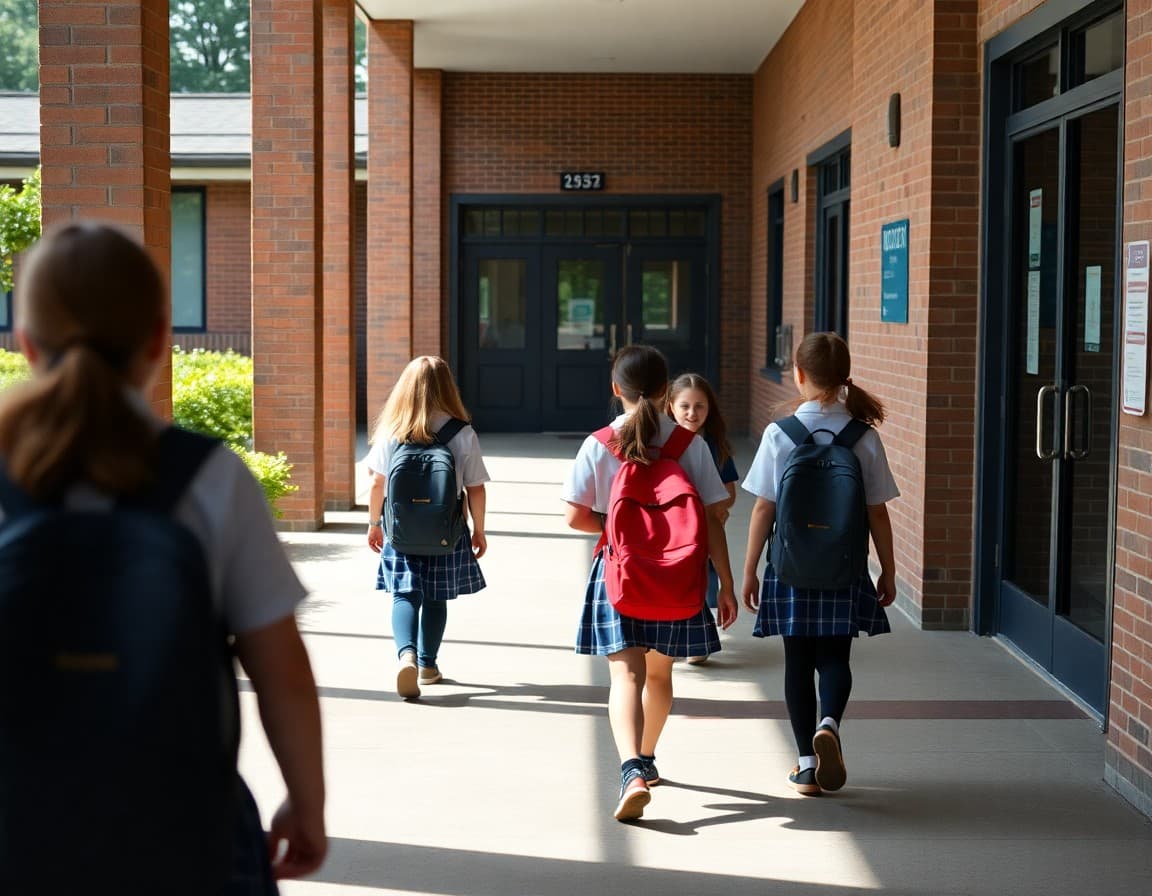
September is when your year-long communication relationship with families actually begins. The August newsletter got them through orientation. September newsletters establish the rhythm, tone, and expectations that will define how families experience your school for the next nine months. Get this right and you spend less time in reactive communication for the rest of the year.
First-Week Newsletter: Confirm and Adjust
Your first September send, ideally in the first three days of school, serves one purpose: confirming that things are underway and addressing anything that shifted from the August communication. Bus route changes, a teacher update, a slight schedule adjustment from the August newsletter. Families are watching closely in the first week. A prompt, organized first send signals that the year will be run the same way.
Mid-Month Newsletter: Establish the Rhythm
Your second September send is the template for the year. Structure it the way you want every monthly newsletter to look: a principal message, upcoming events with dates, a student or staff spotlight, and a logistics section. Consistent structure means families know where to find what they need, which dramatically reduces follow-up calls and emails.
Preview Back-to-School Night
If you have not already sent the August back-to-school orientation newsletter, Back-to-School Night is the September equivalent. Include the date, time, location, what families can expect, whether students attend, and what to bring. If you have translated the invitation into other languages, mention that multilingual versions are available.
Reinforce One or Two Key Policies
The September newsletter is not the place for a full policy review. But one paragraph on attendance procedures and one on pickup authorization prevents the most common misunderstandings. “For safety, only adults listed on your student's authorization form may pick up at dismissal. Update your form through [portal name] or at the main office.” That sentence saves you two calls a week for the rest of the year.
Share How the First Weeks Went
Families are curious about how the school year started from your perspective. A paragraph describing something specific you observed in the first two weeks, a classroom you visited, a student conversation, a piece of community the building already feels, makes the newsletter feel like it was written by a person who is paying attention. That impression is worth more than any policy reminder.
Sample September Template Opening
“Two weeks in and the building already has its rhythm. I walked through every hallway on the first day and what I saw was a school that was ready. Here is what we have coming up in September and what you need to know for the weeks ahead.”
Preview October to Keep Families Engaged
September newsletters that close with a brief October preview encourage families to stay engaged with your communication. Mention fall conferences if they are coming, a community event, or a curriculum theme that is starting. Families who are anticipating something specific are more likely to open your next newsletter.
Build Your September Template to Last
The structure you establish in September becomes your default for the year. Daystage lets you save this template and reuse it monthly, adjusting only the dates, events, and principal message. Consistent formatting reduces the time you spend building each newsletter and increases the open rates that come from familiarity.
Get one newsletter idea every week.
Free. For teachers. No spam.
Frequently asked questions
What should a September principal newsletter cover?
September newsletters should confirm that the year has started well, share any updates from the first weeks including schedule adjustments or staffing news, preview upcoming events like fall picture day or back-to-school night, and introduce or reinforce important school policies that families need to know early in the year.
How many newsletters should a principal send in September?
Two is usually right for September. One in the first week that confirms first-day information and handles any first-week updates, and one mid-month that settles into the regular rhythm with a fuller look at the month ahead. Some principals with complex logistics send three, but two is the standard for most schools.
What tone works best for September newsletters?
Warm, organized, and forward-looking. September families want to feel like the school has its act together and that they chose the right place for their child. A confident, specific tone builds that trust quickly. Avoid excessive enthusiasm that reads as performative.
Should I introduce classroom rules or school policies in the September newsletter?
Briefly. Reference where families can find the student handbook and highlight one or two policies that tend to generate confusion or questions: attendance procedures, cell phone policies, pickup authorization requirements. Save the full policy review for the handbook itself.
How does Daystage help with September back-to-school communication?
Daystage lets you segment your list so that September-specific communications go to new families separately from returning families if needed. You can also build a September newsletter template that becomes your baseline for the year, with consistent sections families learn to expect each month.

Adi Ackerman
Author
Adi Ackerman is a former classroom teacher and curriculum writer with 8 years in K-8 schools. She writes about school communication, parent engagement, and what actually works in real classrooms.
More for Principals
Ready to send your first newsletter?
3 newsletters free. No credit card. First one ready in under 5 minutes.
Get started free