

November Middle School Newsletter Template
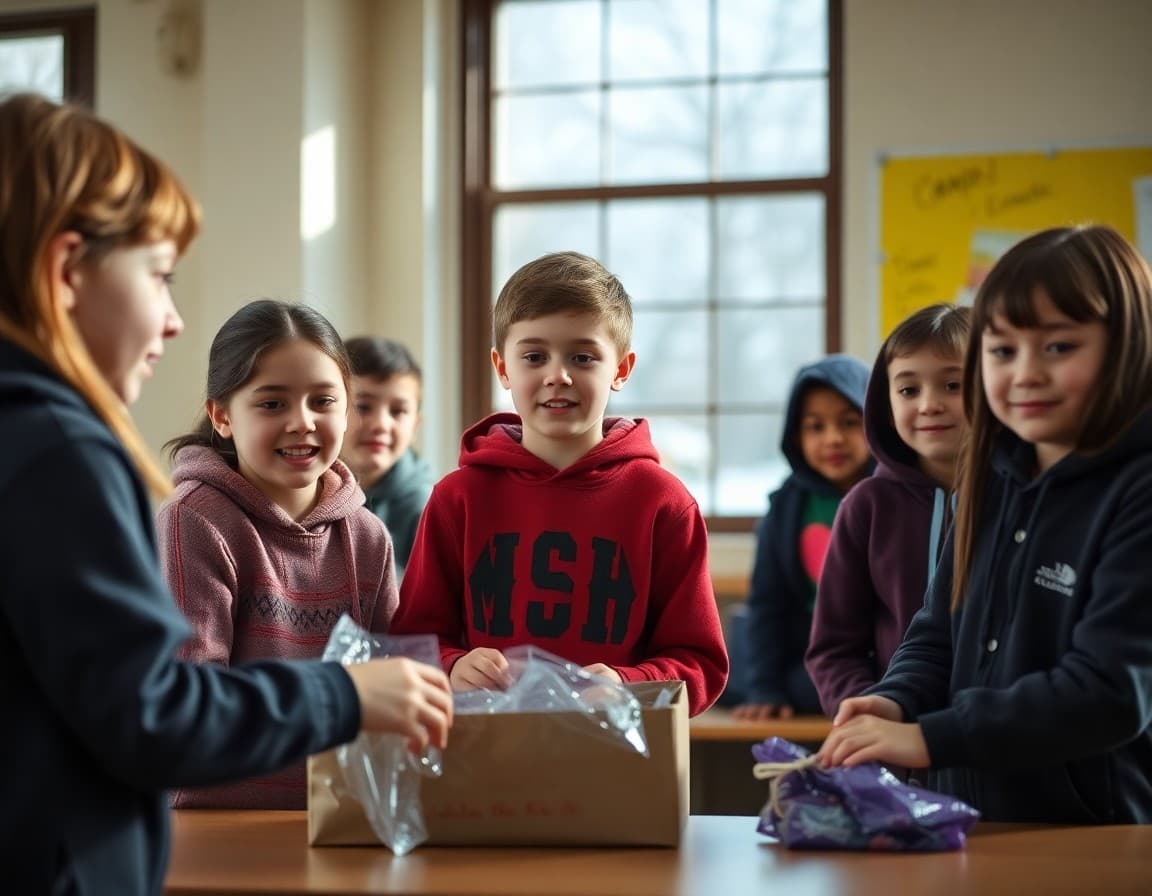
November middle school newsletters arrive as the year reaches a natural inflection point. The first-quarter energy has settled, second-quarter pressure is building, and Thanksgiving break is both necessary and disruptive. A focused November newsletter keeps families connected without adding to the seasonal complexity.
Open With What You Are Observing in the Building
Middle school families rarely get an unfiltered observation from the principal about what is actually happening in the school. A brief opening paragraph about what you are seeing this month, how students are navigating the mid-fall stretch, what is energizing in the building, creates the kind of authenticity that keeps families reading. Avoid generic positivity. Specific observations land.
Cover Native American Heritage Month at the Middle School Level
Middle school students are engaging with Native American history and contemporary issues at a more sophisticated level than elementary students. Describe what your curriculum is doing this month: which historical periods are being examined, which contemporary perspectives are being included, and what projects students are working on. Give families one question to ask their student to open a dinner table conversation about what they are learning.
Recognize Veterans Day
Whether your school holds an assembly, a letter-writing project, or a class discussion for Veterans Day, describe it. If you have staff or students with military family connections, a brief acknowledgment of that community is appropriate. Middle school students are old enough to engage meaningfully with the significance of Veterans Day, and a newsletter paragraph that names the school's observance signals that civic education is taken seriously.
Communicate Thanksgiving Break With Precision
Last day before break: [date and dismissal time]. Return date: [date]. Any schedule differences for the week before break, including early releases or schedule adjustments, belong here. Middle school families are managing more complex household logistics than elementary families, and they need precision to plan childcare, travel, and extracurricular schedules.
Note Second-Quarter Academic Expectations
“Second quarter brings the first major long-term projects in several subjects. Now is a good time to check in on your student's planning for these. Grade portal access is at [link]. Teachers are available for questions via email; contact information is on the school website.”
Address Student Wellbeing for the Mid-Fall Stretch
Middle school students in November are managing academic pressure, social complexity, and the emotional weight of the holiday season all simultaneously. A paragraph acknowledging this and pointing families to counseling resources, by name and contact, gives parents a practical path if they are seeing signs of struggle at home. This section is read more carefully than most principals expect.
Celebrate Fall Season Achievements
Fall sports seasons are typically wrapping up in November. Arts programs may have had their first performances. Student government may have run its first initiatives. A brief recognition of these accomplishments, naming specific teams or groups, keeps the newsletter from reading as purely administrative and gives students a reason to share it.
Keep November Tight and Purposeful
Daystage helps you build a focused November newsletter that covers what matters without sprawl. The families who have been reading since September are in a reliable reading habit by now. Respecting their time with a focused, well-organized send is the way to keep that habit through December and into the second semester.
Get one newsletter idea every week.
Free. For teachers. No spam.
Frequently asked questions
What does a November middle school newsletter typically cover?
Thanksgiving break logistics, Native American Heritage Month curriculum at the middle school level, Veterans Day recognition, second-quarter academic expectations and any upcoming assessments, community service opportunities, and a student wellbeing note given the intensity of mid-fall at this age. November is also often when fall extracurricular seasons wrap up, making it a good time for athletic and club recognitions.
What Native American Heritage Month content is appropriate for middle school families?
Middle school curriculum can engage with more complex aspects of Native American history and contemporary issues than elementary school. Describe the specific content your students are engaging with: primary sources, historical analysis, or contemporary issues. Give families a few questions to spark discussion at home. This is a topic where most families welcome guidance on how to engage their student.
How do I address second-quarter academic expectations in November without being alarmist?
Frame it as information rather than warning. A paragraph noting that the second quarter typically includes the year's first major long-term projects, that grades are cumulative through the semester, and that now is a good time to check in on the grade portal if families have not done so recently gives families what they need without creating panic.
Should November middle school newsletters address student stress?
Yes. Middle school students experience significant social and academic stress in November: post-conference pressure, upcoming assessments, social dynamics that intensify around the holidays. A brief paragraph naming that your counseling team is available and how to request support is worth including. Parents who are watching their student struggle at home appreciate having a clear path to school support.
How long should a November middle school newsletter be?
Shorter than your September or October newsletters. Families are entering holiday mode and attention spans contract slightly. Four to six focused sections perform better than eight sprawling ones. Cover the essential logistics, the Heritage Month content, and one genuine community moment, then close.

Adi Ackerman
Author
Adi Ackerman is a former classroom teacher and curriculum writer with 8 years in K-8 schools. She writes about school communication, parent engagement, and what actually works in real classrooms.
More for Principals
Ready to send your first newsletter?
3 newsletters free. No credit card. First one ready in under 5 minutes.
Get started free