
November Elementary School Newsletter Template

November elementary newsletters navigate a delicate balance: honoring meaningful cultural observances, managing pre-holiday logistics, building community gratitude, and keeping academic expectations clear for families heading into the second quarter. Here is how to structure it so nothing important gets lost.
Open With Something Worth Being Grateful For
November is the natural month for gratitude, but only if it is specific. One paragraph naming two or three things your school community did well in October and early November, with real examples, sets a tone that families respond to positively. Generic gratitude reads as a formality. Named, specific gratitude reads as genuine.
Cover Native American Heritage Month With Grade-Level Specifics
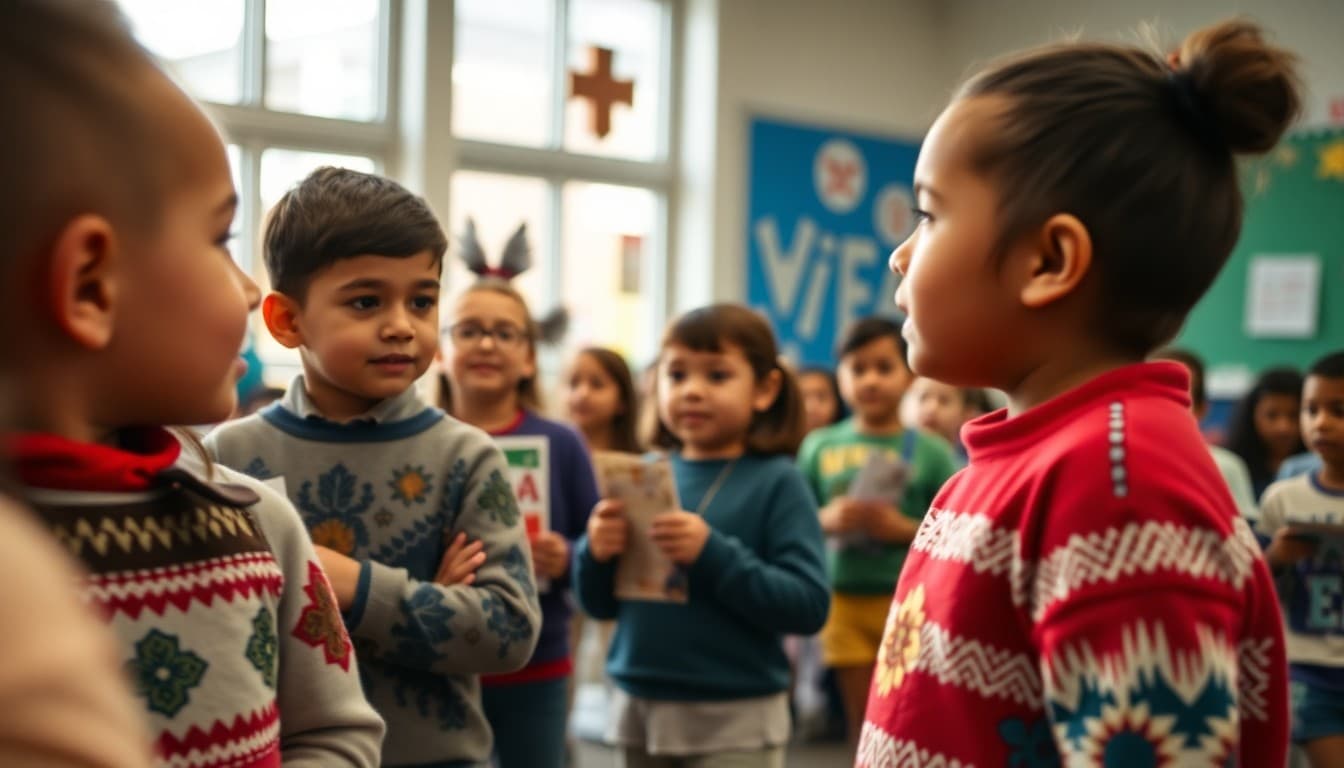
Describe what each grade level is doing to observe Native American Heritage Month. A kindergartener listening to traditional stories is having a different experience than a fifth grader researching contemporary Native American leaders. Grade-specific descriptions show families that the curriculum is intentional and appropriately challenging. Include one resource families can share with their child at home if you have a good one.
Announce Veterans Day Recognition
If your school holds an assembly, a letter-writing project, or another Veterans Day observance, include it in the newsletter with the date and what students will experience. If you have families or staff with military connections, mention that students are invited to honor them in some way. Veterans Day programming at the elementary level is well-received by families across the political spectrum.
Communicate Thanksgiving Break Logistics Precisely
“Thanksgiving break begins [day, date] at [dismissal time]. Note: Wednesday dismissal is at [time] if different from normal. Before/after care on Wednesday: [yes/no/hours]. School resumes [day, date] at the normal time.”
Every year, the Wednesday before Thanksgiving generates the most parent confusion of the entire school year. Explicit communication in November is the only thing that prevents it.
Include the Thanksgiving Luncheon Details if Applicable
Elementary Thanksgiving luncheons require specific logistics communication: date, time, how families arrive, whether they should bring a dish, how to sign up, whether younger siblings can attend, how seating works. This is one of the most popular family events of the year at many elementary schools, and it deserves a full section in the November newsletter with an RSVP option.
Set Second-Quarter Academic Expectations
A brief paragraph on what the second quarter looks like academically, what new units are starting, what skills students are building toward, helps families stay connected to learning through the holiday stretch. Elementary families often feel less visible into the curriculum as the year progresses. A November update reminds them of the thread.
Remind Families About Winter Gear for Recess
November is when the weather shifts noticeably. A brief reminder about outdoor recess expectations and the clothing students need is practical and appreciated, especially for newer families or those transitioning from warmer climates. Elementary students who come to school without appropriate outdoor gear are uncomfortable and distracted.
Save the November Template for Every Year
Daystage lets you build a reusable November elementary template that covers the consistent annual topics: Heritage Month, Veterans Day, Thanksgiving break, family luncheon, gratitude message. Update the specifics each year and your November newsletter takes 20 minutes instead of 90.
Get one newsletter idea every week.
Free. For teachers. No spam.
Frequently asked questions
What should a November elementary newsletter include?
Thanksgiving break dates with specific dismissal times, Native American Heritage Month programming at the school, any family Thanksgiving luncheon or feast event, second-quarter academic updates or what to expect on mid-year report cards, Veterans Day recognition, and a gratitude message from the principal. November elementary newsletters also commonly include a note about winter clothing for outdoor recess.
How do I communicate Thanksgiving break to elementary families?
Elementary families need specific timing. When does school end the day before break, especially if it is different from normal dismissal? Is there before- or after-care on the Wednesday before Thanksgiving? When does school reopen? These details, combined with any changes to the week's schedule, prevent the confusion that leads to parents arriving at the wrong time with their children.
Should elementary schools address Native American Heritage Month in the newsletter?
Yes, with specifics. Describe what students are learning, which books are being read, and what projects or activities are happening at each grade level. A vague acknowledgment signals that the observance is performative. Describing a first grader's lesson on Lakota oral storytelling tradition and a fifth grader's research project on modern Indigenous communities shows the work is substantive and age-appropriate.
What does a Thanksgiving luncheon section look like in an elementary newsletter?
If your school hosts a family Thanksgiving luncheon, include the date, time, whether families bring food or just attend, how registration works, whether siblings can come, and how early families should arrive. The Thanksgiving luncheon is one of the most beloved elementary events of the year when communicated clearly. It becomes a source of frustration when families feel like they missed information.
How does Daystage handle event RSVP for an elementary Thanksgiving luncheon?
You can include an RSVP block directly in your November newsletter through Daystage, so families confirm their attendance without navigating to a separate form. You see the count in real time, which helps you plan seating, food quantities, and any family logistics.

Adi Ackerman
Author
Adi Ackerman is a former classroom teacher and curriculum writer with 8 years in K-8 schools. She writes about school communication, parent engagement, and what actually works in real classrooms.
More for Principals
Ready to send your first newsletter?
3 newsletters free. No credit card. First one ready in under 5 minutes.
Get started free