
February High School Newsletter Template
February high school newsletters arrive at a moment when multiple grade-level priorities are competing for family attention. Seniors are managing financial aid decisions. Juniors are thinking about next year. Course selections for the following fall are due. And somewhere in the middle of all of it, there is meaningful Black History Month curriculum happening that deserves more than a one-line acknowledgment. A focused February newsletter handles each of these with the seriousness they deserve.
Cover Black History Month With Intellectual Specificity
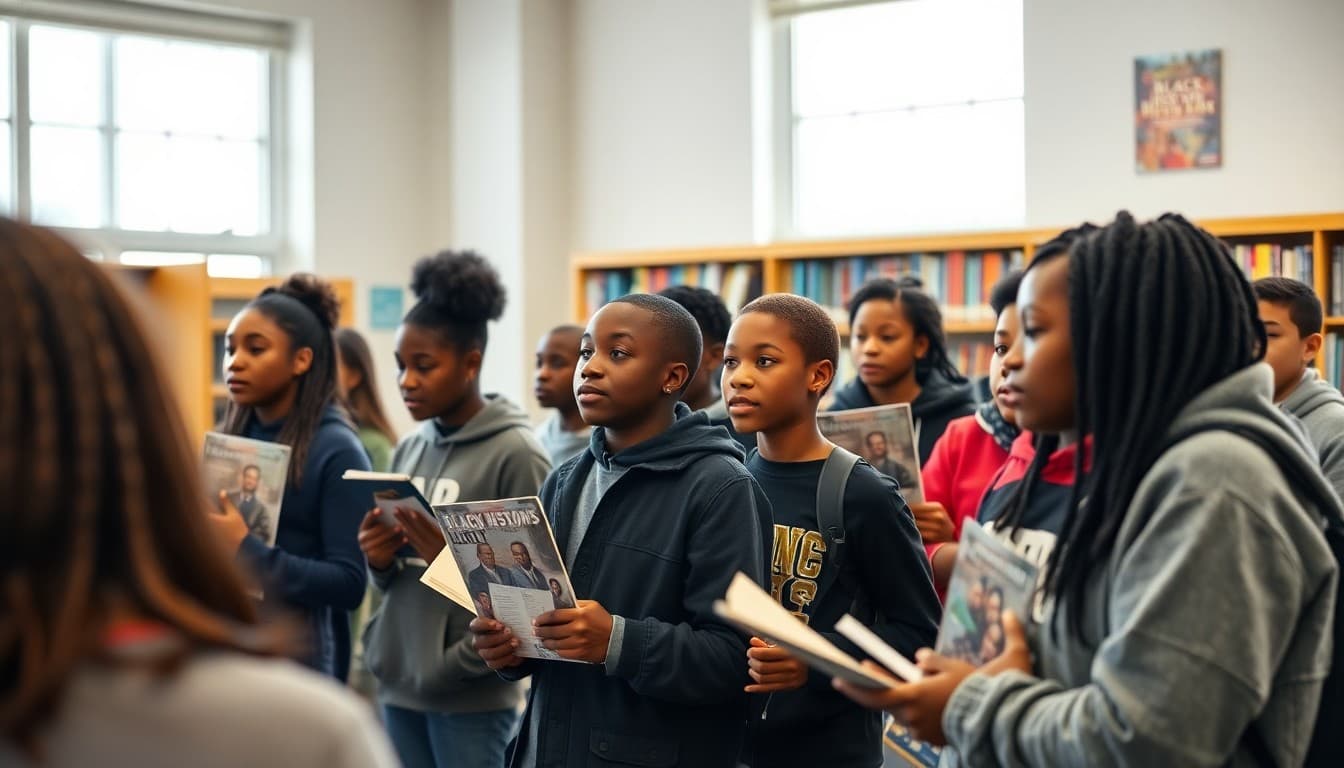
High school students are engaging with Black History Month at a level that deserves a substantive newsletter paragraph. What are English classes reading? What is the social studies curriculum analyzing? Are there student-led discussions, debates, or research projects? Name the specific texts, historical periods, and intellectual questions students are working through. High school families who see this level of specificity trust that the curriculum is rigorous.
Communicate Course Selection With a Clear Timeline
Course selection season at the high school level requires families to understand: what classes their student is eligible for, how to access the course catalog, the meeting structure with counselors, the deadline for final submission, and what happens if selections need to be changed. A clear timeline paragraph, with links to relevant resources, serves families who are supporting their student through this process for the first time.
Update Senior Families on Financial Aid Season
“Most financial aid award letters arrive between February and April. When your student receives an award letter, compare the net cost across schools (sticker price minus grants and scholarships, not loans). If an award seems lower than expected, a one-page financial aid appeal letter is often worth submitting. Our counselors are available to help with this process.”
This paragraph saves families real money if it prompts one appeal conversation they would not have had otherwise.
Address Junior College Preparation
February is a natural moment to remind junior families about standardized testing timelines. Spring SAT and ACT dates are registering now. Junior year grades carry the highest weight in most college admissions reviews. A brief paragraph on both topics, with registration links, serves junior families who are managing testing and college research simultaneously.
Note Second-Semester Academic Patterns
High school families who check the grade portal in February will find that second-semester grades are accumulating. A paragraph encouraging them to do this check-in, and describing how to request a counselor meeting if concerns arise, supports the proactive engagement that prevents end-of-semester surprises. High school students often manage academic challenges invisibly until they become crises.
Address Student Motivation for the Mid-Year Stretch
February is when second-semester motivation dips for many high school students. Seniors have received some college news and are prone to senioritis. Juniors are managing the most demanding year of high school. A brief, honest paragraph about why second-semester grades matter, paired with the specific support resources available at your school, reaches families who are noticing the signs at home.
Include a February Community Element
High school family events are fewer and further between than at the elementary level. If your school has a winter sports championship, a drama production, a debate tournament, or any event where families can show up and see what their student is part of, include it in February. High school families who attend events stay more engaged in the community than those who only receive newsletters.
Keep February Focused and Practical
Daystage lets you build a focused February newsletter for high school families that covers the essential topics without padding. High school families are busy and have variable engagement with school communication. A short, well-organized newsletter that contains information they will use earns more consistent readership than a comprehensive one that takes 15 minutes to read.
Get one newsletter idea every week.
Free. For teachers. No spam.
Frequently asked questions
What are the key topics for a February high school newsletter?
Black History Month curriculum and programming, course selection deadlines for next year, senior college and financial aid updates, junior SAT or ACT preparation information, an academic update on second-semester progress, and any February calendar logistics. February is also when second-semester motivation can dip for upperclassmen, making a brief wellbeing note relevant.
How should a high school principal address Black History Month in the newsletter?
Describe what your curriculum is doing substantively: which courses are incorporating primary sources, what authors are being studied in English, what historical analysis is happening in social studies. High school Black History Month communication should reflect the intellectual engagement that students at this level are capable of, not just the celebratory programming.
How do I communicate course selection deadlines to high school families without creating stress?
Give families the full picture: the deadline, what happens if it is missed, what resources are available to support the decision, and when families will receive confirmation of selections. Most course selection stress comes from ambiguity about the process. Clear communication about what families and students need to do, in what order, and by when, removes most of it.
What should a February newsletter say about FAFSA and financial aid for senior families?
February is when most financial aid award letters arrive. A brief paragraph on what families should do when an award arrives, how to compare packages, what the appeal process looks like, and where to find guidance gives senior families practical tools. This is information that significantly affects a family's college decision, and most families are navigating it without experience.
How does Daystage support high school principal communication at the family engagement level?
High school principals often underestimate how much families want to stay connected. Daystage lets you maintain consistent, professional monthly communication that gives parents the information they need without requiring them to dig through school portals or wait for their student to relay news. Many high school families report that the principal newsletter is their primary source of school information.

Adi Ackerman
Author
Adi Ackerman is a former classroom teacher and curriculum writer with 8 years in K-8 schools. She writes about school communication, parent engagement, and what actually works in real classrooms.
More for Principals
Ready to send your first newsletter?
3 newsletters free. No credit card. First one ready in under 5 minutes.
Get started free