
February Elementary School Newsletter Template

February elementary newsletters carry a lot of weight for what looks like a short month. Black History Month programming deserves real coverage. Valentine's Day creates family anxiety every year without clear communication. The 100th day of school is a milestone worth celebrating. Here is how to fit it all into a newsletter families will actually read.
Lead With Black History Month at Your School
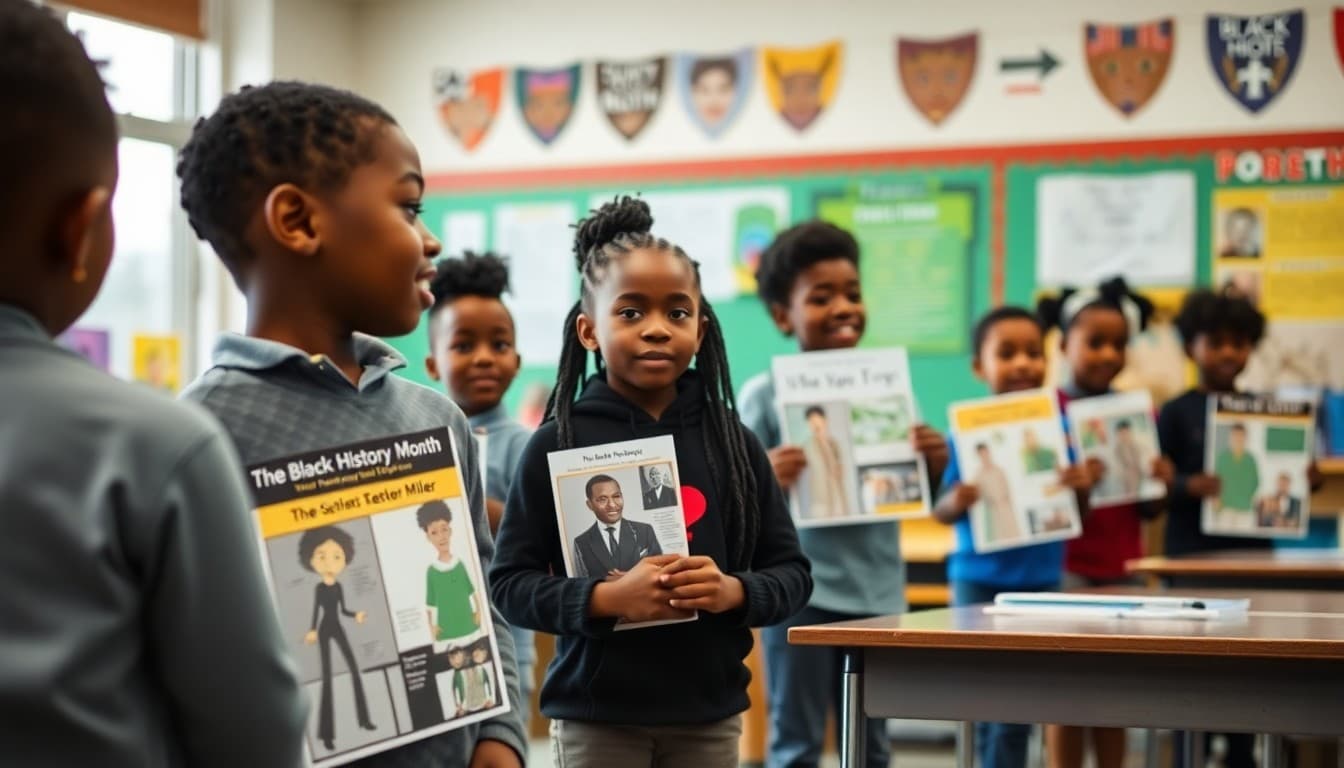
Elementary families want to know what their child is actually learning, not just that the school acknowledges Black History Month. A paragraph per grade band, K-2 and 3-5, describing what students are reading, whose stories they are exploring, and any projects or events they are working toward, gives the observance substance. Include one image if you have it. Specificity is what makes this section worth reading.
Communicate Valentine's Day Policy Clearly and Early
Send your Valentine's Day guidelines at least a week before the 14th. Answer these questions directly: Are classroom parties happening? Are families invited? Should students bring valentines for every classmate? Are food treats allowed and if so, what are the allergy protocols? Are store-bought cards preferred over homemade? These seem obvious from inside the school but genuinely confuse families every February.
Recognize the 100th Day of School if Applicable
If your school celebrates the 100th day of school, include the date, any dress-up or homework activities, and whether there is a classroom event. The 100th day is a beloved elementary tradition that generates real excitement among young students and their parents. Preview it a week in advance and families will make sure their child does not miss it.
Share a Mid-Year Literacy Update
February is approximately the halfway point of the school year. A brief paragraph on how reading is going school-wide, with one specific data point or observation, helps elementary families understand where their child stands in the broader picture. Include one practical suggestion for supporting reading at home during the February push, such as a specific book series by grade level or a 20-minute daily reading habit.
Sample February Template Opening
“February is short but full. We are in the middle of Black History Month with real classroom work across every grade, and the 100th day of school is coming up on [date]. Here is what you need to know for the next four weeks, including a few things about Valentine's Day that will save you a trip to the office.”
Include a Parent Engagement Moment
February is a good month for a read-aloud volunteer opportunity, a family literacy night, or a classroom story project that families contribute to. Elementary parents are most engaged when they have a specific, low-time-commitment way to be part of the school. Describe one such opportunity with clear instructions and a sign-up link or contact.
Note the February Calendar With Precision
Presidents Day, Valentine's Day, the 100th day, any early releases, and the short month itself mean February families frequently miscalculate dates. List every important date in a formatted block at the end of the newsletter. This single section reduces the most common follow-up calls principals receive from elementary parents in February.
Reuse This Template Every February
Daystage lets you save your February elementary template and update it each year with current dates, grade-specific curriculum notes, and photos. The framework stays the same because February topics are consistently the same. You are refreshing content, not rebuilding structure.
Get one newsletter idea every week.
Free. For teachers. No spam.
Frequently asked questions
What should a February elementary newsletter prioritize?
Black History Month programming with grade-specific details, Valentine's Day classroom policy including whether parties are allowed and what guidelines apply, mid-year literacy progress updates, and any February events like the 100th day of school if it falls this month. Also include a brief paragraph on supporting learning at home during the second semester push.
How should an elementary principal communicate Valentine's Day policy?
Be specific about what is allowed. Can students bring cards? Should they bring one for every student in the class? What about food? Are classroom parties scheduled, and are families invited? Ambiguity around Valentine's Day at the elementary level causes a surprising amount of family stress. Clear communication a full week before the holiday is the right move.
How do I write about Black History Month for elementary families?
Describe what students at each grade level are doing. A first grader learning about Ruby Bridges and a fifth grader reading about the civil rights movement through primary sources are having different experiences. Grade-specific descriptions show families that the observance is age-appropriate and substantive, and gives them something to talk about with their child.
What is the 100th day of school and should it be in the newsletter?
The 100th day of school is a popular elementary milestone, typically falling in late January or February. If your school celebrates it, include the date and any activities planned. Families appreciate knowing when it is so they can participate in homework projects or dress-up activities that often accompany the day.
What platform do elementary principals use for family newsletters?
Daystage is increasingly popular among elementary principals because it creates a warm, visual newsletter that feels appropriate for a family-facing audience. Unlike plain email, a Daystage newsletter can include photos from the classroom, upcoming event blocks, and a personal message from the principal all in one polished send.

Adi Ackerman
Author
Adi Ackerman is a former classroom teacher and curriculum writer with 8 years in K-8 schools. She writes about school communication, parent engagement, and what actually works in real classrooms.
More for Principals
Ready to send your first newsletter?
3 newsletters free. No credit card. First one ready in under 5 minutes.
Get started free