

December High School Newsletter Template
December high school newsletters land at the most academically consequential moment of the first semester. Finals are coming. Semester grades will be set. Senior college applications for regular decision are due in January, meaning the last few weeks before winter break are the final stretch for most seniors. A clear December newsletter manages all of this while still allowing room for the genuine year-end reflection that families appreciate.
Publish the Semester Exam Schedule Immediately
The exam schedule needs to be in your first December communication, ideally in the first week of the month. Include: exam dates and times, subjects, room assignments if known, and what students should bring or have available. Also explain how exam grades factor into semester averages since this calculation varies by course type at most high schools. Families who understand the math are better positioned to help their student prioritize preparation.
Explain How Finals Affect GPA
High school students and families often misunderstand how semester exams factor into final grades. A brief paragraph: “In most courses, the semester exam counts for [percentage] of the semester grade. Your student's current quarter grades plus the exam determine the semester GPA. The grade portal will update within [timeframe] of the last exam date.” This paragraph prevents the post-break grade portal conversations that come from families who did not understand the stakes going in.
Remind Senior Families of January College Deadlines
Regular decision deadlines are typically January 1st through February 1st. A brief paragraph listing the major upcoming deadlines for schools your seniors commonly apply to, or a reminder to check the list they created with their counselor, prevents the January panic that comes from seniors who lost track of what is due when. Include a note that counselors have limited availability between December and the January resumption of full hours.
Address FAFSA Completion for Senior Families
Some families have not yet completed the FAFSA. December is the last reasonable window before winter break for families to start this process. A brief, specific reminder with a direct link to the FAFSA portal and a note about priority filing deadlines at the colleges their senior applied to is high-value communication that can directly affect a family's financial aid outcome.
Cover Winter Events and Holiday Performances
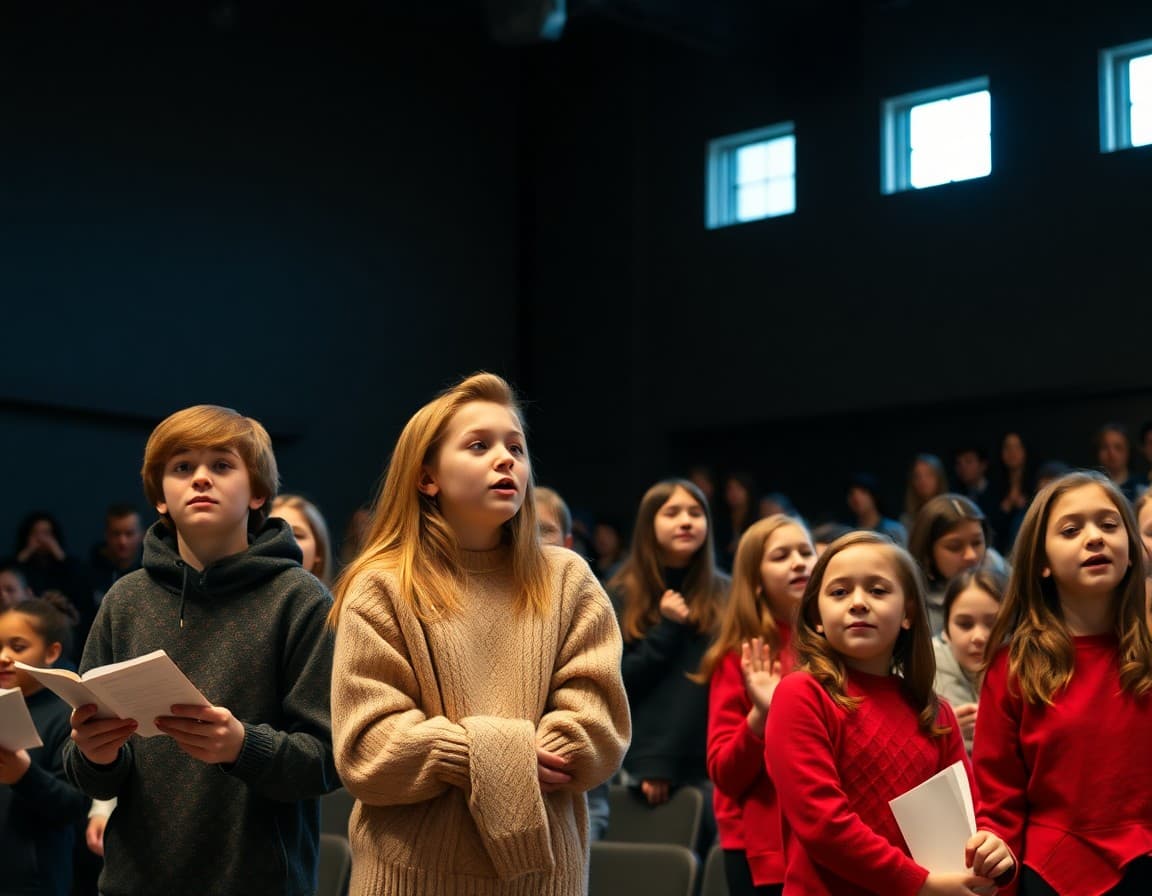
High school winter concerts, drama productions, winter sports championships, and academic team events all deserve a mention in December. Include the dates and a brief invitation. These events are often less well-attended than they deserve to be simply because families do not know what is happening. A December newsletter that names specific events gives families a reason to show up.
Communicate Winter Break Dates and Academic Expectations
“Winter break: [start date] through [return date]. School resumes [date]. Any coursework due on the first day back should be checked in your student's class portal now. Semester exam grades will be available in the grade portal by [date].”
Write a Year-End Reflection That Is Yours
This is the paragraph that families in your community will actually read carefully. Name something this year produced that surprised you. Acknowledge what was demanding without being dramatic. Express specific regard for what families contributed to making the semester work. Do not make it generic. The December year-end message from the principal is one of the few things high school families genuinely read, and they can tell when it was written specifically for them versus copied from a template.
Close the Semester on the Same Note You Opened It
Daystage gives your December high school newsletter the same professional polish that your September send had. The year-long consistency in format and quality is a form of communication in itself: it tells families that the school operates with the same care in December as it did in September, under much more pressure. That message is worth sending.
Get one newsletter idea every week.
Free. For teachers. No spam.
Frequently asked questions
What should a December high school newsletter cover?
Semester exam schedules and preparation guidance, winter break dates and any academic expectations over break, regular decision college application deadlines coming in January, financial aid deadlines approaching, winter concert or performance details, and a genuine year-end reflection from the principal. December is also when semester GPA calculations matter most and families benefit from understanding how finals factor in.
How should a high school principal communicate semester exams in the December newsletter?
Publish the full exam schedule early in December, ideally in the first newsletter of the month. Include dates, subjects, times, and exam room locations. Explain how finals factor into the semester grade for each course type, since this varies by subject. Add one paragraph on how families can support their student's exam preparation at home without taking over the process.
What should December high school newsletters say about college applications?
Regular decision deadlines are typically January 1st through February 1st. A December newsletter paragraph reminding senior families of specific upcoming deadlines, with a note about counselor availability for last-minute application reviews, prevents the January panic that comes from seniors who thought they had more time than they did.
How do I write a year-end high school message that families actually read?
Be specific and personal. Name something this school year produced that you did not expect. Acknowledge what was difficult without dwelling on it. Express genuine regard for the families who have been partners in the work. High school year-end messages that read as personal and specific earn more genuine engagement than ones that could have been written for any school in any year.
What platform helps high school principals send professional December newsletters?
Daystage gives December high school newsletters the same consistent, professional format that families have come to expect through the year. Semester exam schedules, college deadline reminders, concert event blocks, and a personal message all in one polished send that closes the first semester on a note of care and organization.

Adi Ackerman
Author
Adi Ackerman is a former classroom teacher and curriculum writer with 8 years in K-8 schools. She writes about school communication, parent engagement, and what actually works in real classrooms.
More for Principals
Ready to send your first newsletter?
3 newsletters free. No credit card. First one ready in under 5 minutes.
Get started free