
June Assistant Principal Newsletter: What to Communicate as the School Year Ends
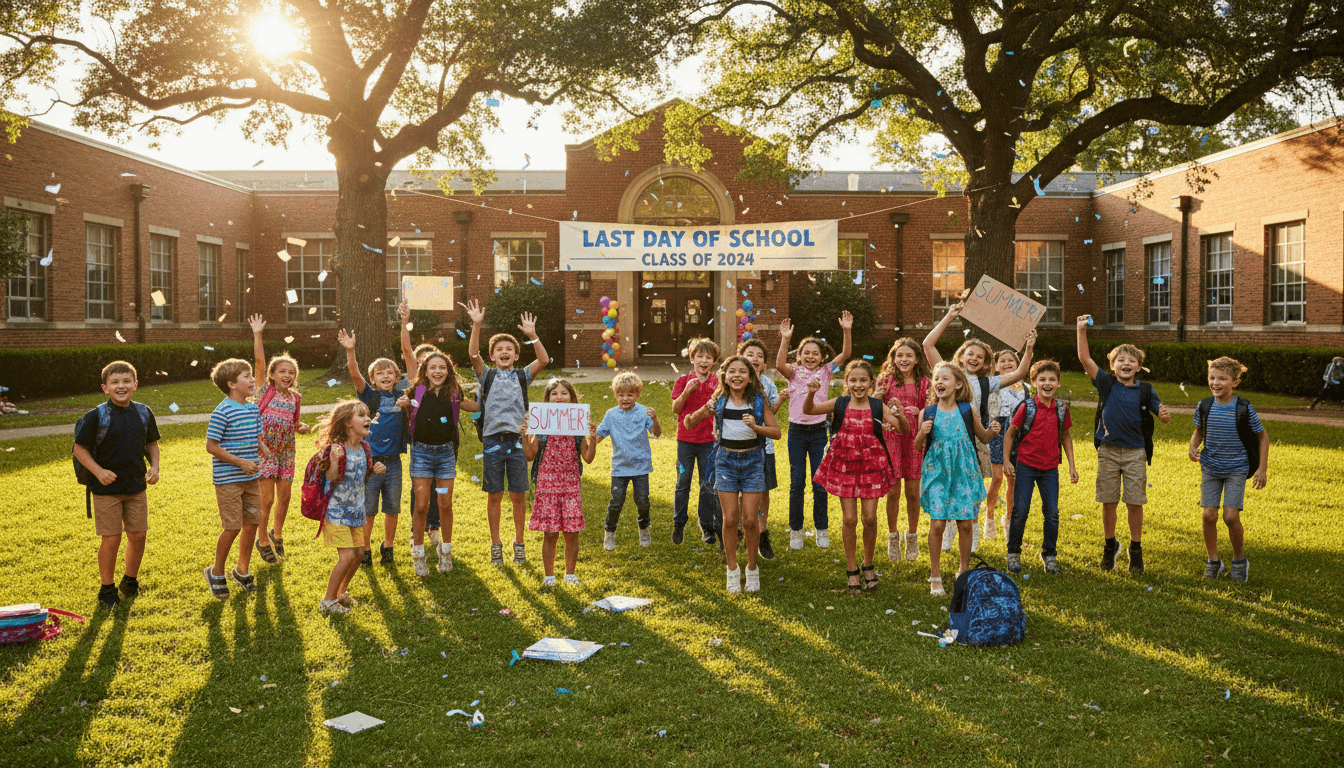
June is a month of endings and, if you communicate well, the beginning of next year's relationship with families. The school year is closing, and your last newsletter of the year is a meaningful document. It is the final message many families receive from school administration until August, which means it carries more weight than its timing might suggest.
A strong June newsletter from an assistant principal closes the year with clarity about final logistics, gives families useful summer information, and sets up a positive connection that brings them back to school in September ready to engage. A weak or absent June newsletter leaves families with questions, missed deadlines, and a slightly disconnected feeling heading into summer.
Final Day Logistics and Last-Week Schedule
Even if you have already communicated the last day of school, confirm it again in your June newsletter. Include the dismissal time, any changes to transportation, and whether the final day has a modified schedule. Families are managing summer transitions and need this information fresh.
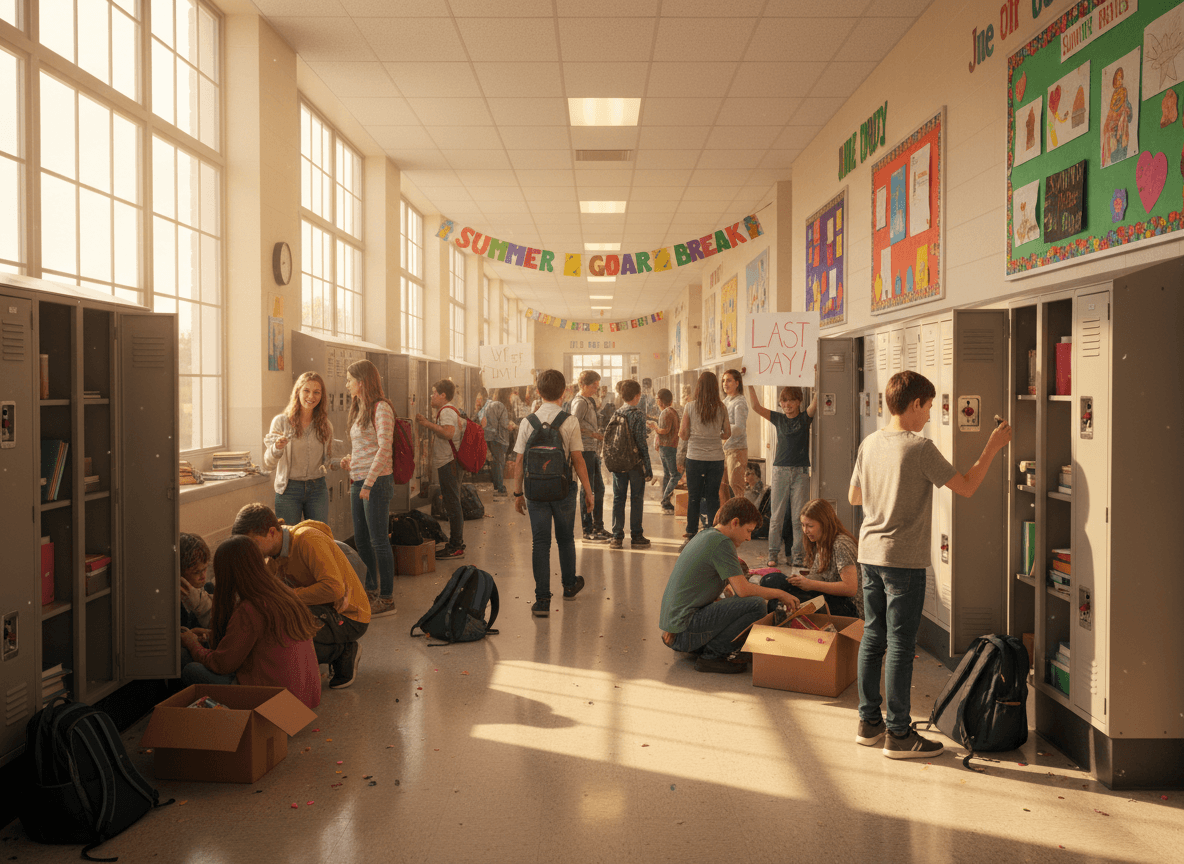
List any end-of-year procedures students need to complete: locker cleanouts, textbook returns, library clearance, equipment return for athletics or electives. Include deadlines for each. If there are fees for lost or damaged items, remind families of your collection process.
Summer School and Academic Support Resources
Some families learn in June that their student is required to attend summer school, and some are seeking enrichment. Your newsletter should serve both groups. Include enrollment deadlines, program descriptions, and contact information for all available summer academic options.
If your district offers free summer learning programs, tutoring, or literacy camps, list them with dates and registration links. Families who receive this information in your newsletter are far more likely to act on it than families who have to search for it independently. Your newsletter extends the school's support reach into the summer months.
Summer Food Programs and Community Support
For many families, the end of the school year means the end of reliable daily meals for their student. If your district or community partners offer summer food programs, your June newsletter is an important distribution channel for that information. Include locations, hours, and any eligibility requirements.
This section does not need to be prominent, but it should be present. The families who need this information most are often those least likely to seek it out proactively. A newsletter that serves the full community earns trust across every income level.
How to Reach the School This Summer
Families have questions in July and August. They need to know whether enrollment paperwork was received, how to update contact information, where to get immunization records, and who to contact about a special education plan or a scheduling issue. Your newsletter should include clear guidance on how to reach the school during the summer.
List the school's summer office hours, the main phone number, and the email contact for administrative questions. If different staff members handle different types of inquiries, a brief guide helps families reach the right person without playing phone tag.
Fall Registration and Back-to-School Preview
Planting fall awareness in a June newsletter reduces the September scramble. Let families know when fall registration opens or closes, when school supply lists will be available, and when to expect back-to-school communication from the school in August.
If your school is making any significant changes next year, such as schedule changes, new staff, or program additions, a brief heads-up in June gives families time to prepare and reduces the volume of September questions. This is especially useful for families of incoming students who are new to the building.
Mental Health and Family Wellness Over the Summer
Summer is not uniformly positive for all students and families. Some students lose structure, some families face increased financial stress, and some students experience anxiety or depression when the routines of the school year disappear. Your June newsletter can include a brief, practical section on supporting student wellness over the summer.
Include contact information for mental health services available during the summer, tips for maintaining routine, and any school or district resources families can access. Keep this section supportive in tone, not clinical or alarming.
Closing the Year with Genuine Appreciation
End your June newsletter with something real. Reflect on what this school community accomplished together during the year. Acknowledge the challenges alongside the wins. Name specific things you are proud of, whether that is improved attendance, a successful program launch, a community service project, or simply the fact that your school showed up for its students.
Thank families specifically for the role they play. And mean it. Families who are thanked genuinely for their partnership come back in September more willing to engage. The relationship you build through consistent, honest communication all year long is the asset you are protecting with a strong June close.
June newsletters are not just year-end housekeeping. They are the bridge between this school year and the next. Send one that closes well, serves families through the summer months, and sets up a fall where communication can start at a higher level of trust because of everything you built this year.
Get one newsletter idea every week.
Free. For teachers. No spam.
Frequently asked questions
What should be in a June assistant principal newsletter?
June newsletters should cover the final schedule including last day logistics, summer learning and enrichment resources, next year's registration or enrollment information, how to reach the school over the summer, and a genuine close to the year that acknowledges the school community.
Is it worth sending a newsletter in June if school is almost over?
Absolutely. June is when families are making summer decisions about learning, programs, and fall preparation. A well-timed June newsletter with useful summer resources, fall registration reminders, and a warm year-end message strengthens community and reduces the September ramp-up.
Should a June AP newsletter cover next school year at all?
Yes, briefly. Families benefit from knowing when fall registration opens, when school supply lists will be available, and what back-to-school communication to expect over the summer. Planting that awareness in June reduces information gaps before September.
How do I communicate about the summer for students who need ongoing support?
Include a section with specific resources: summer school enrollment deadlines, food programs available during summer, mental health services open in the summer months, library programs, and any district-run support services. Be specific with contact information and deadlines.
How does Daystage help with a June year-end newsletter?
Daystage lets you pull together a clean, organized June newsletter without spending hours on layout. You can include resource links, summer program information, and a warm year-end message in one professional send, then focus on everything else the last week of school demands.

Adi Ackerman
Author
Adi Ackerman is a former classroom teacher and curriculum writer with 8 years in K-8 schools. She writes about school communication, parent engagement, and what actually works in real classrooms.
More for Principals
May Assistant Principal Newsletter: Closing Out the Year with Clarity and Community
Principals · 6 min read
July Assistant Principal Newsletter: What to Communicate Before Back-to-School Season
Principals · 6 min read
Assistant Principal Newsletter Guide: How to Communicate With Families as an AP
Principals · 7 min read
Ready to send your first newsletter?
3 newsletters free. No credit card. First one ready in under 5 minutes.
Get started free