

January Academic Progress Update Newsletter: A Principal Guide
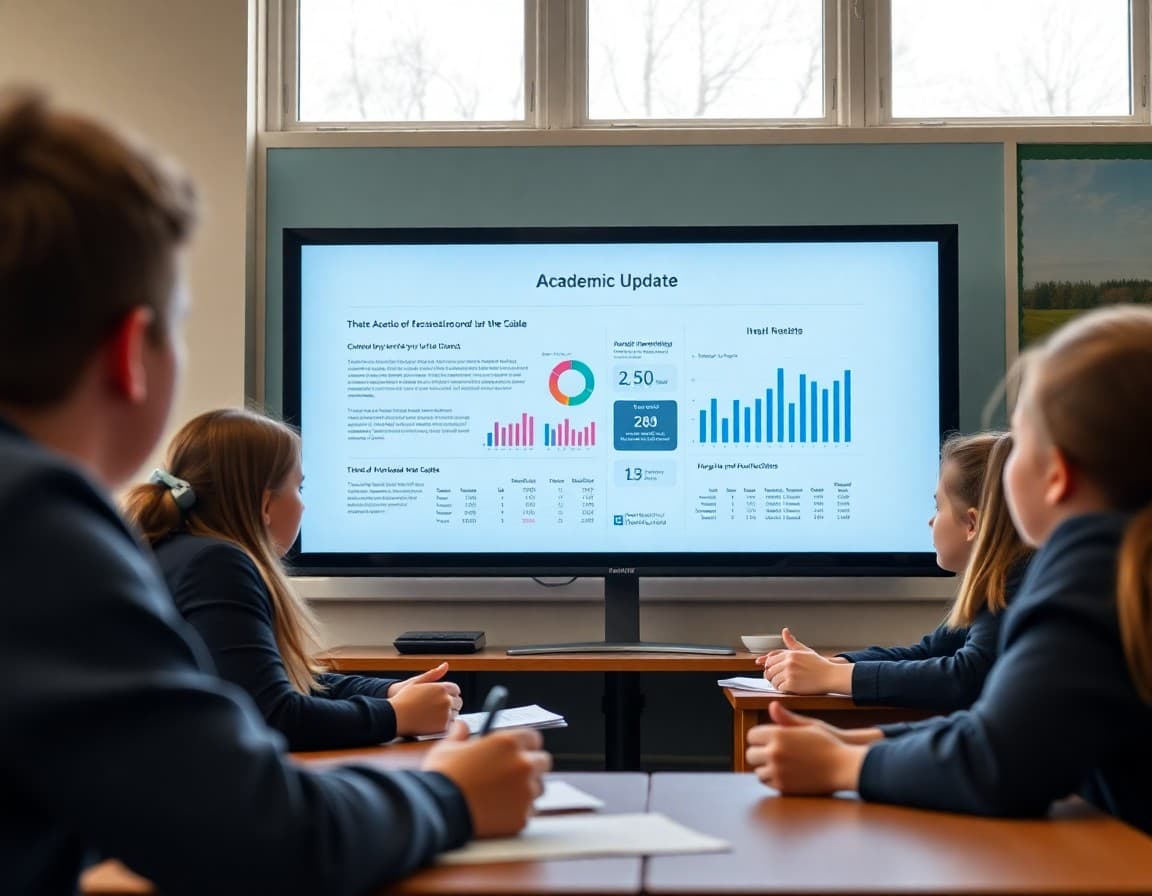
January is the natural midpoint of the school year for most districts, which makes it a credible moment to share academic progress data with families. Not a year-end wrap-up, not a preview of things to come. A real mid-course check. Families who receive clear, honest academic updates in January are better prepared for spring assessment season and more trusting of school leadership when results arrive.
Choose the Right Data to Share
Do not share everything you have. Share what families can understand and act on. First-semester attendance by grade level, reading benchmark pass rates, and any school-wide initiative metrics are solid choices. Avoid internal tracking codes, assessment acronyms without explanation, or data that requires knowing the district's scoring framework to interpret. If you would need three minutes to explain a number to a parent in a conference, it does not belong in a newsletter without significant context.
Translate Numbers into Plain Language
Every data point in your newsletter should come with a plain-language interpretation. "73 percent of our 4th graders met the winter benchmark in math" means nothing to most families. "About 3 in 4 of our 4th graders are on track in math heading into the second semester. The remaining quarter of students are receiving additional small-group support twice a week" tells families what the number means and what the school is doing about it. Always translate.
Be Honest About Challenges
If your chronic absenteeism rate went up in the first semester, say so. If writing scores came in below your goal, say so. Families who only ever receive good news in school newsletters stop trusting those newsletters. A principal who acknowledges a problem and describes a specific response builds credibility. The response does not need to be perfect. It needs to be real: "Our 6th-grade writing scores were lower than we expected. We are adding a structured writing block three days a week starting January 20 and will share an update in March."
Connect Academic Data to Upcoming Events
January academic data should connect to something families can do or attend. If reading scores are mixed, mention the family literacy night scheduled for February. If attendance is a concern, include a paragraph on the school's attendance support resources. Data that floats in a vacuum feels like a report card for the school. Data connected to action invites families to be part of the solution.
A Template Excerpt for Academic Updates
Here is a paragraph structure that works well for academic update newsletters:
"First-semester results: In reading, 68 percent of our students met or exceeded the winter benchmark, up from 61 percent last January. In math, 59 percent met the benchmark, which is slightly below our goal of 65 percent. Our math interventionist is expanding small-group support in February, focusing on 3rd and 4th graders who were just below the benchmark. We will share updated results in April."
Adjust the numbers and subject areas. The structure: result, comparison, what is being done, when to expect an update.
Acknowledge Teacher Effort
Academic data does not happen in isolation. A brief mention of the instructional work behind the numbers reinforces the connection between data and people: "These results reflect the extra planning and differentiation our teachers put in during the first semester. I am proud of the work happening in every classroom." It also models for families how to talk about data with their kids, as effort connected to outcome.
End with a Clear Next Step
Close your January academic update with one specific action for families. Not a vague "stay involved" encouragement. Something concrete: "If you want to talk through your child's specific results, contact your child's teacher to schedule a 15-minute check-in. We have set aside time the week of January 27 specifically for these conversations."
A January academic update newsletter that is honest, specific, and connected to action does more for family trust than six months of cheerful event recaps. Families are smart. They want to know how their school is really doing, and they respect a principal who tells them.
Get one newsletter idea every week.
Free. For teachers. No spam.
Frequently asked questions
What academic data should I include in a January newsletter?
Focus on data families can act on: first-semester attendance rates, reading benchmark results by grade level, and any school-wide metrics you track. Avoid publishing individual student scores in a mass communication. If you have a metric where the school is falling short, name it honestly and explain what you are doing about it.
How do I explain test scores to parents who are not familiar with the assessments?
Skip the jargon. Instead of "62 percent of students scored at or above grade level on the MAP-R," say "About 6 in 10 of our students are reading at or above the level expected for their grade. Here is what that means for the rest of the year and how you can support your child at home." Translate numbers into plain language every time.
Should I include both good news and bad news in an academic update?
Yes. Newsletters that only share positive data read as propaganda, and families know it. If your math scores slipped from fall to January, acknowledge it, explain what contributed to it, and describe the specific intervention you are running in February. Honesty paired with a plan builds far more credibility than selective reporting.
How long should a January academic update newsletter be?
Between 350 and 500 words for the main message, plus any supporting data visuals. Families are coming back from break and are not in deep-reading mode. Get to the point quickly, use bullet points for data, and end with clear next steps or dates they need to know.
Is there a tool that makes academic update newsletters easier to format and send?
Daystage is built for exactly this. You can create a clean, mobile-friendly January academic progress update newsletter with sections for data, context, and next steps. The layout tools let you add simple visuals without needing a designer, and you can schedule the send so it reaches families at the right time. Many principals use it for their monthly academic updates.

Adi Ackerman
Author
Adi Ackerman is a former classroom teacher and curriculum writer with 8 years in K-8 schools. She writes about school communication, parent engagement, and what actually works in real classrooms.
More for Principals
Ready to send your first newsletter?
3 newsletters free. No credit card. First one ready in under 5 minutes.
Get started free