
February Principal Newsletter Template: What to Send Your School Community This Month
February is one of the most content-rich months of the school year for principals. Black History Month programming runs through the entire month. Valentine's Day brings school events and parent questions. Winter sports seasons are in full swing. Budget planning is beginning in most districts. And for principals who publish a school improvement plan, February is close enough to mid-year to share a progress update. The challenge is not finding content for the February newsletter. It is deciding what to include and what to hold for March.
Here is a structure that covers the February essentials without turning the newsletter into an overwhelming document.
Principal's opening note: February's unique character
February is the shortest month and often the hardest one in terms of school energy. The enthusiasm of September and January has faded, spring break is still weeks away, and winter in many parts of the country has gone on long enough to feel permanent. Your opening note should acknowledge this honestly while also naming something that is genuinely happening and worth paying attention to.
Specific works better than cheerful in February. Instead of "February is a great month at our school," try something like: "February is when the second semester starts to show its character. Our students have been in the room together long enough to really know each other, and you can feel it in how they work. Here is what that looks like in practice this month." That kind of opening grounds the newsletter in reality and makes families feel like they are seeing something true.
Black History Month: what your school is actually doing
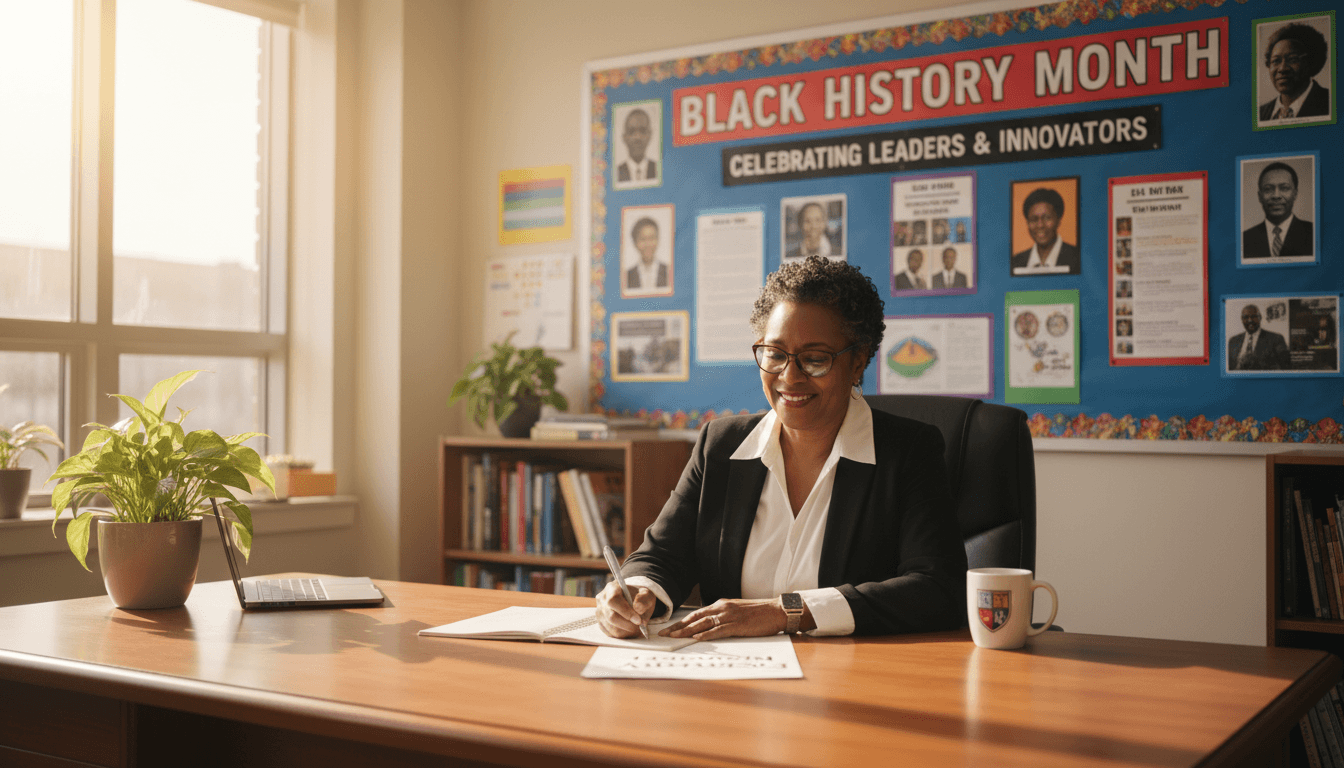
Every February newsletter should address Black History Month. The question is how. The least effective approach is a generic paragraph acknowledging the month without saying anything specific about what the school is doing. Families, particularly Black families, notice when the acknowledgment is real and when it is not.
Be specific. Name the activities, guest speakers, student projects, assemblies, or community partnerships your school has planned. If there is a student performance or presentation tied to Black History Month curriculum, invite families to attend. If classrooms are working on specific projects, describe them briefly. If the school library has a special display or reading list, mention it.
If your school's Black History Month programming is limited, this is a good year to acknowledge that honestly and describe what you are working toward. Families respect honesty more than performance.
Valentine's Day events and classroom guidelines
Valentine's Day generates more family questions than almost any other school day. Communicate the specifics clearly and early:
- Elementary Valentine exchanges: What are the classroom guidelines? Do students bring valentines for every classmate or just friends? Are treats allowed? What are the allergy policies? When should cards be sent to school?
- Valentine's Day dance or social (middle or high school):Date, time, ticket cost or registration process, dress code if applicable, and any chaperone opportunities.
- Spirit activities: If your school has Valentine's week spirit days or other activities, list them with the dates and descriptions.
For elementary principals especially, covering these guidelines in the newsletter prevents a flood of individual parent emails asking the same questions in the week before February 14th.
Winter sports results and athletic recognition
February is the heart of winter sports season for most schools. Basketball, wrestling, swimming, gymnastics, and indoor track are typically in full swing. Your newsletter should include a brief recognition of what is happening in winter athletics.
You do not need a full sports report. A paragraph or two recognizing key results, naming student athletes who have earned recognition, and noting any upcoming major events like playoff games or championship meets is enough. This kind of recognition builds school community pride and signals that the principal is paying attention to the whole school, not just academic programming.
For elementary schools, "sports" may mean intramural activities, physical education highlights, or after-school sports programs. Recognize whatever athletic programming your school has.

Budget season preview for school communities
Most school districts begin their budget planning process for the following school year in February or early March. Very few families understand this timeline or know how to participate in it. The February newsletter is a good place to give families a brief explanation of where the budget process is and what the key decisions involve.
Cover three things: where the district's budget process currently stands, when any public meetings or community input opportunities will take place, and what categories of spending are being reviewed that may affect the school. You do not need to be an expert in district finance to write this section. A brief, honest summary of what you know and when families will hear more is sufficient and appreciated. Families who feel informed early about budget changes are much less likely to be angry about them when they happen.
School improvement plan progress update
If your school has a published school improvement plan, February is a natural time for a mid-year progress check. Families rarely read the full plan document, but they respond well to a principal who publicly tracks progress against stated goals.
Keep this section brief. One short paragraph per goal or priority area. For each goal, share one data point or qualitative indicator that tells families whether the school is on track. Be honest about where you are seeing progress and where you are still working. A principal who treats the school improvement plan as a living commitment, not a compliance document, builds meaningful trust with the school community.
Closing February with a look toward spring
End the February newsletter by pointing toward spring. Name one or two things coming in March or April that the school community is working toward. Spring break dates if they are close enough to be relevant. An upcoming event families should know about and prepare for. A program or recognition coming in March.
February can feel like a long stretch between January and spring break. A closing paragraph that orients families to what is coming next provides the forward momentum that keeps the school community engaged through the second half of the year.
Get one newsletter idea every week.
Free. For teachers. No spam.
Frequently asked questions
What should a principal's February newsletter say about Black History Month?
Be specific and genuine. Name what your school is actually doing: curriculum activities, guest speakers, student projects, assemblies, or community events. A newsletter that says only 'we celebrate Black History Month' without describing anything specific reads as performative. Families, particularly Black families, notice the difference. If your school has genuine programming, describe it. If programming is limited, be honest about that and explain what you are working toward.
How should a principal handle Valentine's Day and school social events in the newsletter?
Cover Valentine's Day and any school dance or social event with the practical information families need: dates, times, any dress code or ticket information, whether students are bringing treats and what the classroom guidelines are. For elementary schools, the Valentine exchange guidelines are important to communicate clearly so all families are prepared. For middle and high schools, Valentine's Day events often include dances or spirit activities that benefit from advance notice in the newsletter.
Should a principal's February newsletter address the school budget?
Yes, at least briefly. February is when most school districts begin their budget process for the following year. Families rarely understand how school budgets work or what the timeline looks like. A brief explanation of where the budget process is, what decisions are being made, and how families can participate in the process gives the community useful context and an invitation to engage. Families who understand budget decisions early are better prepared for any changes that come in the fall.
How should a principal communicate school improvement plan progress in February?
February is roughly the midpoint of the school year, making it a natural time to share a progress update on the school improvement plan. Share which goals are on track, which are showing progress, and where the school is still working. You do not need to share the full document. A brief paragraph per priority goal is enough. Families who see a principal publicly tracking progress against stated goals trust that the plan is real and not just a compliance document.
How does Daystage help principals with February newsletters?
Daystage makes it easy to include photos and event highlights alongside text in February newsletters, which is particularly useful for Black History Month programs and winter sports recognition. The drag-and-drop editor lets you add a photo gallery of student activities without any design work. Principals in schools with active February programming use Daystage to send newsletters that look professional and feel warm, which is exactly what February communication needs.

Adi Ackerman
Author
Adi Ackerman is a former classroom teacher and curriculum writer with 8 years in K-8 schools. She writes about school communication, parent engagement, and what actually works in real classrooms.
More for Principals
January Principal Newsletter Template: What to Send Your School Community This Month
Principals · 7 min read
March Principal Newsletter Template: What to Send Your School Community This Month
Principals · 7 min read
Elementary School Principal Newsletter Guide: Building Family Trust from Day One
Principals · 8 min read
Ready to send your first newsletter?
3 newsletters free. No credit card. First one ready in under 5 minutes.
Get started free