

February Community Message Newsletter for Families: Principal Guide
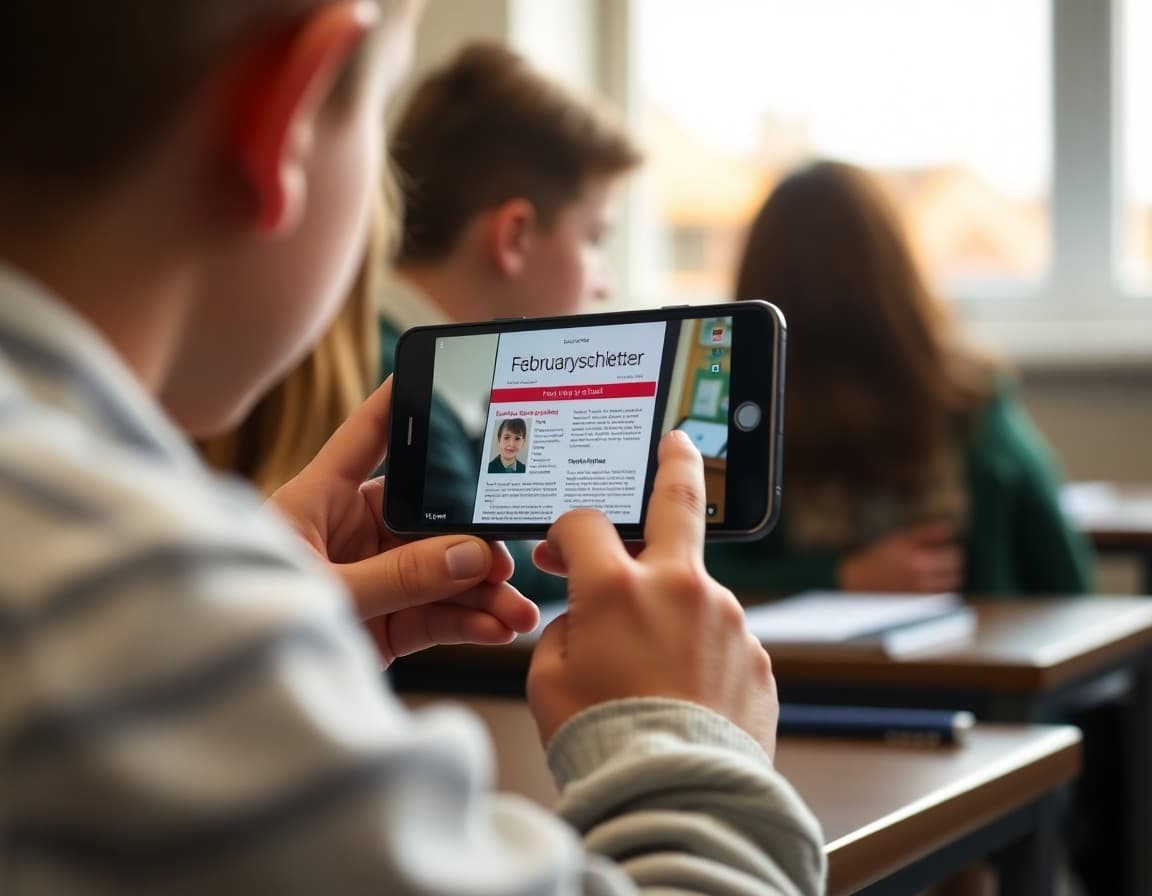
February can feel like the quiet middle of the school year, but it is actually one of the most important months for family communication. Spring is close enough to plan for but far enough away that families have not started disengaging yet. A strong February community message keeps the school-family relationship warm and sets up productive spring conversations about attendance, assessments, and transition planning.
Start with Something Happening Right Now
Resist the temptation to open with a calendar recap. February is typically rich with content: science fair prep, winter sports, Black History Month programming, student art displays, or the start of a new reading unit. Pick one thing that is happening in your school this week and open with it. "This week, our 5th graders are presenting their research projects on local history. I walked three classrooms this morning and the depth of work is genuinely impressive." That sentence earns trust in ways a calendar listing never will.
Preview March and April Now
February newsletters are a good place to plant spring dates. Families who receive a heads-up in February about a late-March parent night or an April field trip are far more likely to show up than families who get three days notice. You do not need all the details. "Mark your calendars: Spring Family Night is April 23. Details coming in March." That is enough. It creates anticipation and tells families you are planning ahead.
Acknowledge Parent-Teacher Conference Season
If your school holds mid-year conferences in February or March, this newsletter is the right place to announce them. Include the scheduling window, how to sign up, and what families should bring or think about beforehand. A pre-conference prompt from the principal, like asking families to write down two questions for their child's teacher, increases the quality of those conversations significantly.
Spotlight a Community Story
Every school has a February story worth telling. A parent who organized a food drive. A kindergartner who read their first full book. A teacher who stayed late to help a student who was struggling. One specific story does more for school culture than a paragraph of general appreciation. Keep it short, keep it real, and keep it focused on people rather than programs.
A Template Excerpt for February
Here is a mid-month community message structure that principals can adapt:
"We are halfway through February and the school is humming. This week alone: our 3rd graders launched their community helper interviews, our middle school science team submitted to the regional science fair, and our attendance rate hit 96 percent for the first time since October. Thank you to the families who make consistent attendance a priority. It makes a difference we can measure. Looking ahead, spring conferences will run March 10-14. Sign-ups open February 24 via our school portal."
Address Family Concerns Proactively
February is a month when school counselors often report an uptick in student anxiety and stress, particularly in grades 4 through 8. A paragraph from the principal acknowledging this and pointing to school supports is meaningful: "If your child seems more anxious than usual this time of year, they are not alone. We have counseling resources available and our school counselor has open drop-in hours every Thursday from 3 to 4 pm. Reach out if you want to connect your child with support."
Keep It Scannable
February families are busy. Valentine's parties, Presidents' Day, mid-year conference prep, and winter sports all compete for their attention. Your newsletter should reward a 90-second skim. Short paragraphs, clear headers, a bulleted upcoming-dates section, and a single clear call to action are the structure that works. Save the long-form writing for a slower month.
A February community message that is warm, specific, and connected to what is actually happening in your building keeps families engaged through the back half of the year. It is a small investment that pays back in every spring conversation you have with a family who already feels informed and connected.
Get one newsletter idea every week.
Free. For teachers. No spam.
Frequently asked questions
What should be in a February community message newsletter?
February is a solid month to cover upcoming parent-teacher conferences if your school holds them mid-year, preview spring event dates, share any community partnerships or programs launching this month, and include a brief message about school culture. It is also a good time to thank volunteers who have contributed since January.
How do I keep mid-year newsletters from feeling routine?
Change one thing about each newsletter that makes it feel like it came from your specific school at this specific moment. A student quote, a photo caption, a detail about a class project, or a reference to something that happened last week. Routine newsletters feel routine because they could have been sent by any principal anywhere. Specificity fixes that.
Should I address Valentine's Day or other February observances in my newsletter?
A brief mention is appropriate if your school runs Valentine's Day classroom events. Focus on the logistics families need to know: class list distribution, party dates, any allergy policies for treats. For Black History Month, a short paragraph highlighting something specific the school is doing, like a speaker, project, or reading unit, is more meaningful than a generic acknowledgment.
How often should principals send community message newsletters?
Once a month is the floor. Twice a month, with one being a shorter quick update, is better. The goal is to create a rhythm families can anticipate. When families know they will hear from you every first Tuesday, they are more likely to actually open the message when it arrives.
What tool makes February newsletters easier to produce?
Daystage lets principals build a polished February community message newsletter without fighting with email formatting or image attachments. The mobile-first layout means it looks good whether families open it on a phone or a laptop. You can also track open rates, which helps you understand whether your messaging is reaching the families who need it most.

Adi Ackerman
Author
Adi Ackerman is a former classroom teacher and curriculum writer with 8 years in K-8 schools. She writes about school communication, parent engagement, and what actually works in real classrooms.
More for Principals
Ready to send your first newsletter?
3 newsletters free. No credit card. First one ready in under 5 minutes.
Get started free