
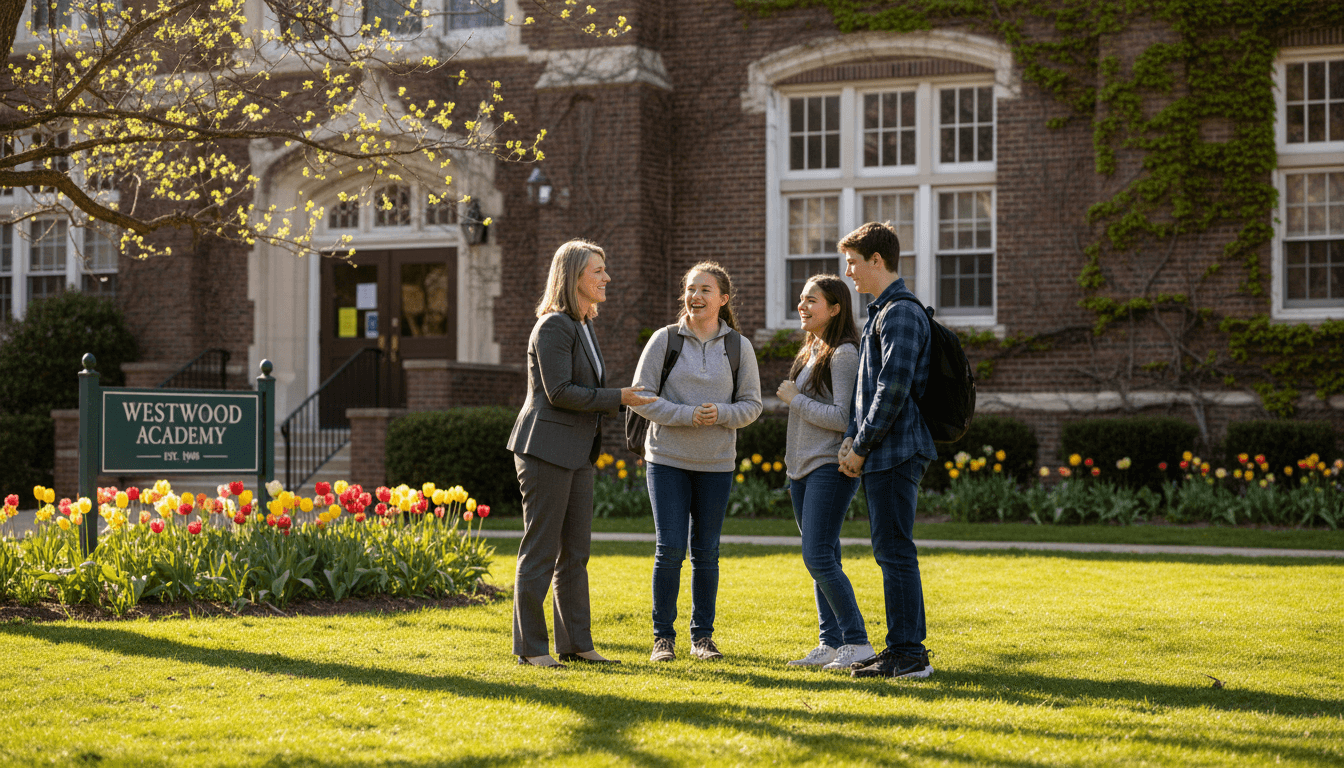
April Assistant Principal Newsletter: Managing the Home Stretch Before Year-End

April marks the beginning of the home stretch, and experienced assistant principals know exactly what that means. The behavioral intensity that started building in March is now fully present. Attendance motivation dips for some students who feel like the year is already decided. Senior activities and spring events add logistical complexity. And everyone, students and staff alike, can feel the end approaching.
Your April newsletter is the communication that either sustains momentum or lets the final weeks drift. Done well, it communicates urgency without panic, celebrates what the school has accomplished, and gives families specific guidance for helping their students finish strong.
Attendance: The Urgency of the Final Weeks
In April, attendance becomes a grade-level and promotion issue for many students, not just a habit concern. Your newsletter should be direct about this. If your school has a policy that ties promotion, credit recovery, or graduation eligibility to attendance, families need to understand exactly where the thresholds are.
Tell families specifically how many instructional days remain. Help them understand that an absence in April carries more weight than one in October because there is less time to recover. If any students are in a critical zone, your team should be making individual contact, but the newsletter-level message still reinforces the norm.
Behavioral Expectations During the Final Push
April is one of the most challenging months for school climate. Students who are disengaged become more disruptive. Social conflicts that have been building all year often surface. Senior dynamics, sports rivalries, and spring energy all contribute to a higher incidence of behavioral issues in many buildings.
Your newsletter should name this directly. Not with alarm, but with clarity. Remind families of your behavioral expectations and the consequences for violations in the final weeks. If your school has a policy around end-of-year privileges or senior activities that depend on conduct records, communicate those standards now, before incidents put families on the defensive.
Senior Activities and Grade-Level Transition Events
If your school has senior activities, prom, spring trips, graduation rehearsals, or grade-level transition ceremonies, April is when logistics need to be communicated in detail. Families need dates, ticketing information, dress codes, transportation plans, and behavioral requirements.
Be thorough here. Incomplete information about senior events generates a high volume of individual parent inquiries. A detailed section in your newsletter that anticipates common questions reduces that traffic and ensures families feel informed rather than scrambling for details at the last minute.
Spring Testing Updates and Remaining Assessments
If testing is still underway or wrapping up in April, your newsletter should include a status update. Let families know what assessments have been completed and what remains. Remind them of any makeup testing windows and the attendance implications of missing scheduled tests.
This is also a good place to briefly acknowledge the effort students and staff have put into testing preparation. Recognizing hard work publicly, even in a brief newsletter sentence, reinforces a culture that values both effort and outcome.
Spring Events and Community Celebration
April and May are full of school events worth celebrating. Arts performances, spring sports championships, academic recognitions, and end-of-year showcases all deserve space in your newsletter. Listing these events with clear dates and attendance instructions builds excitement and drives family participation.
If your school has any community-building events this month, such as a spring fair, an open house, or a family appreciation event, include them prominently. End-of-year events are some of the best opportunities to deepen family connection to the school community.
Grade-Level Promotion and Academic Status Communication
April is when the academic stakes of the final quarter become concrete. If students are at risk of being retained, held back from graduation, or required to attend summer school, families should know this in April, not in June. Your newsletter is a place to communicate the existence of these processes and who families should contact.
You do not need to share individual student information in a newsletter. But a clear statement that your school is monitoring academic progress and that families of students in a critical zone will receive individual communication is both honest and helpful. Families appreciate transparency, even when the news is not easy.
Building Toward a Strong Finish
End your April newsletter with an honest, forward-looking message. Acknowledge that the year has had challenges, name what your school community has accomplished, and express specific confidence in students heading into the final weeks. Families who receive authentic encouragement from their assistant principal feel the school is invested in their student's success.
Keep it brief, keep it genuine, and be specific enough that it does not sound like a form letter. A few sentences that reflect your actual knowledge of the school community carry far more weight than a generic closing paragraph.
April newsletters from assistant principals should be a mix of urgency and encouragement. The year is not over, the standards have not changed, and there is still time to finish well. That is the message your families need to hear in April, and your newsletter is the right place to deliver it.
Get one newsletter idea every week.
Free. For teachers. No spam.
Frequently asked questions
What belongs in an April assistant principal newsletter?
An April AP newsletter should cover end-of-year attendance urgency, behavioral expectations during the final weeks, senior or grade-level transition activities, spring testing updates, upcoming school events, and any year-end logistics families need to know about.
How do I communicate urgency about attendance in April without panicking families?
Be direct and specific. Tell families exactly how many instructional days remain, explain what chronic absenteeism means for credit or promotion decisions, and remind them that your team is available to help remove barriers. Urgency without panic means giving families facts and a path forward.
How should I handle senior activities communication in an April newsletter?
Senior activities require detailed, specific communication about dates, expectations, ticketing, and behavioral standards. If senior privileges depend on conduct or attendance, state those requirements clearly in April before events are imminent. Last-minute policy reminders create friction.
Is April too late to address behavior issues in a newsletter?
No. April is exactly when behavioral incidents tend to peak in many schools, and a newsletter that names trends and reinforces expectations is still effective. It also creates a record that administration communicated standards to families before year-end consequences were applied.
How does Daystage help assistant principals with spring newsletters?
Daystage is designed for school communicators with tight schedules. In April, when your days are full of logistics and events, being able to build and send a clear, professional newsletter in one sitting means families stay informed without you losing hours to formatting and distribution.

Adi Ackerman
Author
Adi Ackerman is a former classroom teacher and curriculum writer with 8 years in K-8 schools. She writes about school communication, parent engagement, and what actually works in real classrooms.
More for Principals
March Assistant Principal Newsletter: Testing Season, Spring Break, and Keeping Students on Track
Principals · 7 min read
May Assistant Principal Newsletter: Closing Out the Year with Clarity and Community
Principals · 6 min read
Assistant Principal Newsletter Guide: How to Communicate With Families as an AP
Principals · 7 min read
Ready to send your first newsletter?
3 newsletters free. No credit card. First one ready in under 5 minutes.
Get started free