
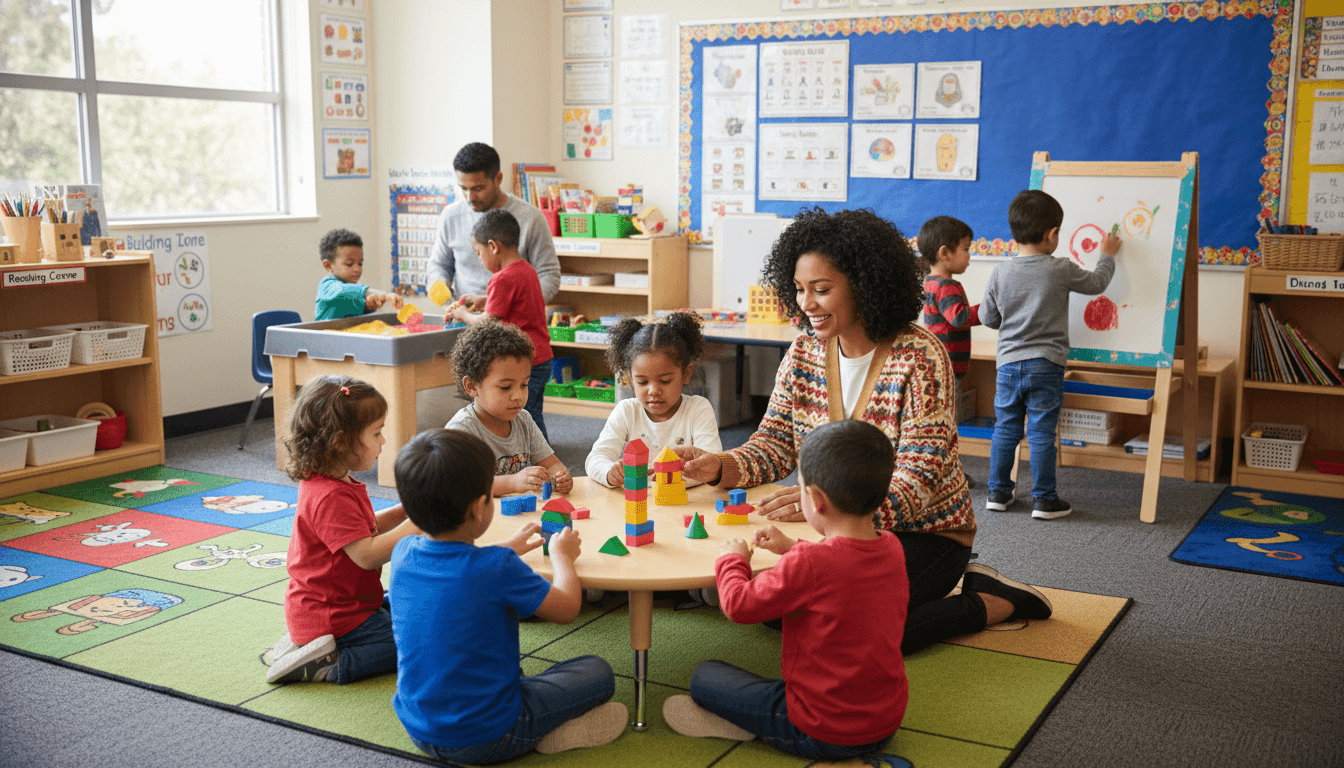
Transitional Kindergarten Newsletter: Bridging Pre-K and Kindergarten for Families
Transitional kindergarten sits in an ambiguous space for families. It is not preschool and it is not kindergarten, and parents are often uncertain what to expect from it, what their child should be doing by the end of the year, and whether their child is on track for the kindergarten year ahead.
The TK newsletter has a job that preschool and kindergarten newsletters do not: it has to actively manage that ambiguity. Done well, it builds confidence in parents who are anxious about readiness. Done poorly, it leaves families wondering if TK was the right decision.
What Makes TK Different from Preschool and Kindergarten
Transitional kindergarten was designed for children who turn five between September and December, depending on the state, and who are technically eligible for kindergarten but developmentally younger than most of their peers would be. The curriculum is meant to bridge the gap: more structured than preschool, more play-integrated than kindergarten.
Your newsletter needs to reflect this accurately. If you write about TK the way you would write about a preschool program, parents worry that their child is not getting kindergarten readiness. If you write about it the way you would write about kindergarten, parents worry that their four-year-old is being pushed too hard.
Frame TK directly and specifically: "TK builds the skills children need to thrive in kindergarten. That means we move between structured lessons and play-based learning intentionally. Both are part of the curriculum." Name the approach. Do not assume families already understand what TK is.
Kindergarten Readiness: What Parents Are Actually Worried About
TK parents are worried about one thing more than anything else: whether their child will be ready for kindergarten. This worry shows up in different forms. Some parents ask whether their child is writing their name. Some ask whether they know their letters. Some ask whether they will "be behind" in kindergarten.
The newsletter is where you can address this proactively. Once a quarter, include a clear paragraph on what kindergarten readiness actually looks like and how TK is building toward it. Ground it in what children are doing in the classroom right now.
"Kindergarten readiness is not just about knowing letters and numbers. It is about being able to listen to a teacher, manage a transition without falling apart, and sit with a task for more than a few minutes. We build all of these this year. Right now we are working on listening to multi-step directions. You will notice this at home when we ask you to try a two-part request and see how your child responds."
This kind of paragraph does real work. It reframes readiness, gives parents something to observe, and positions the teacher as a knowledgeable partner.
Skill Development Updates: Being Honest Without Alarming
TK newsletters should include more specific skill development information than a typical preschool newsletter. Parents are preparing for kindergarten enrollment and they appreciate knowing where their child stands.
Write about skills at the class level, not the individual level. "Most of our class is working on writing their first and last name consistently. Some children are also starting to write simple CVC words like cat and hat. We will keep building on this through the spring." That gives parents a clear picture of the range without singling anyone out.
If a family has a specific concern about their child's readiness, address it directly in a conference, not in the newsletter. The newsletter is community communication. The conference is individual support.
Academic Content to Include Each Month
TK newsletters benefit from a consistent academic update section that covers:
- Literacy focus this month. What phonics or print concepts the class is working on, and one thing parents can practice at home.
- Math focus this month. Counting, number recognition, patterns, shapes. Describe it in plain language with a concrete example from the classroom.
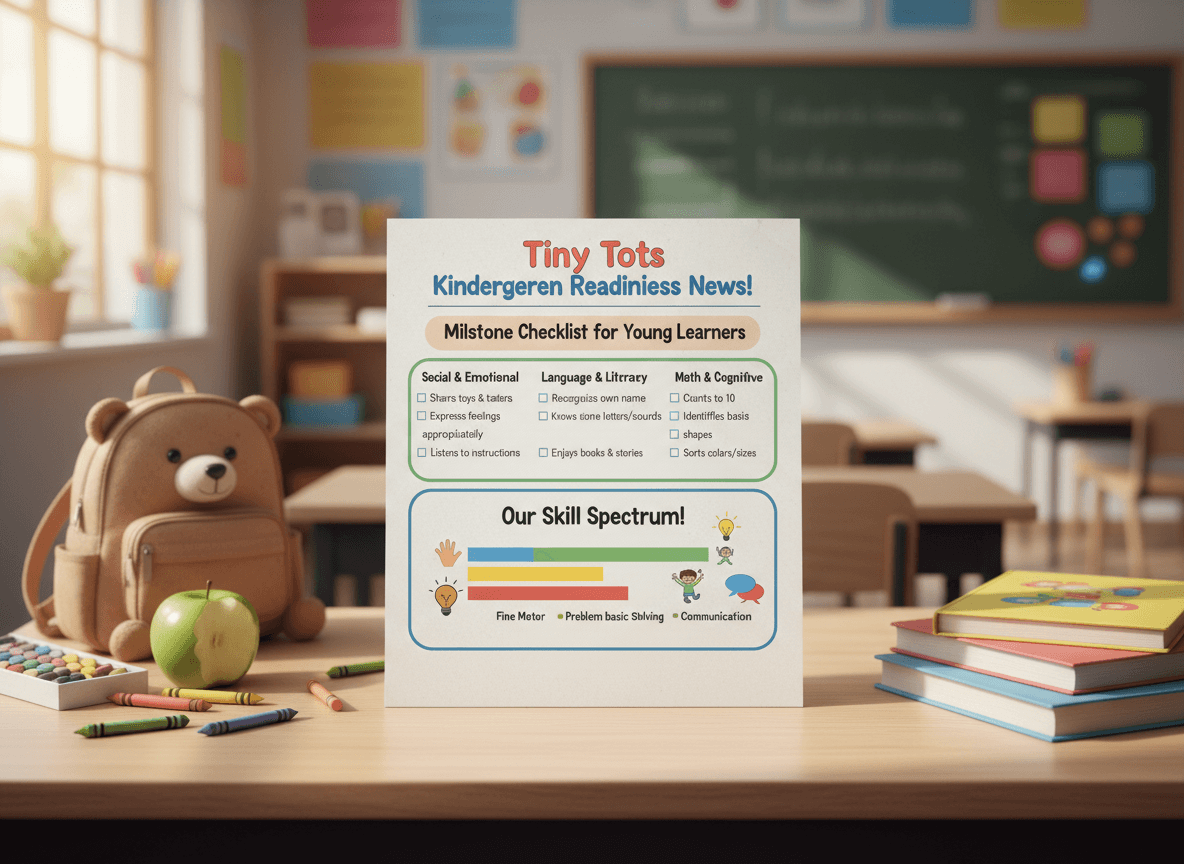
- Social-emotional learning focus. TK curriculum typically includes explicit SEL. Name what skill the class is working on, like taking turns in a conversation or noticing how a friend is feeling.
These three bullets, even written briefly, give parents a clear picture of what TK looks like academically. They also give families something to support at home without creating homework pressure.
Reassurance Without False Comfort
TK teachers walk a communication tightrope. Families need reassurance, but vague reassurance, "everyone is doing great!", erodes trust when parents suspect their child is struggling.
Be specific and grounded. "We are still working on letter sounds. That is exactly where we should be in February for TK. Letter sound mastery accelerates in the spring for most children this age. We will check in at the March conference." That is reassuring because it is honest. It tells parents what is happening, why it is fine, and when they will hear more. It treats them like adults.
The Kindergarten Transition Section
In the spring, add a recurring section on the kindergarten transition. This can cover:
- What to expect at kindergarten registration
- What kindergarten teachers typically look for in the first weeks
- How to talk to your child about moving to kindergarten
- What a strong kindergarten day looks like and how TK has been building toward it
This section makes the TK year feel complete. Families who receive it understand what TK accomplished. That understanding builds lasting goodwill with your program and supports enrollment when they refer other families.
Sending Consistently Through a Year of Change
TK newsletters need to be consistent across a year when a lot changes: curriculum intensifies in the second half, children's readiness gaps become more visible, and families become more anxious as kindergarten approaches.
Monthly newsletters work well for TK. Monthly is frequent enough to stay connected and give timely academic updates, but not so frequent that content runs thin or writing becomes a burden.
Daystage lets TK teachers maintain a consistent newsletter structure all year without reformatting each month. You fill in the content and the layout stays professional and readable. For TK teachers managing a classroom that spans the academic demands of both preschool and kindergarten, that kind of consistency removes one thing from an already full plate.
Get one newsletter idea every week.
Free. For teachers. No spam.
Frequently asked questions
When should transitional kindergarten teachers send newsletters to parents?
Monthly newsletters with a consistent send date work well for TK classrooms. The first newsletter of the year should go out before school starts to clarify what TK is and what families should expect, because many families enter TK without a clear picture of how it differs from preschool or kindergarten.
What should a transitional kindergarten newsletter include?
Include what academic and social-emotional skills the class is working on this month, how those skills connect to kindergarten readiness, one activity families can try at home, upcoming dates, and a brief classroom story. TK families benefit from concrete connections between what happens in class and why it matters for the year ahead.
How should TK teachers communicate skill development honestly without creating anxiety?
Frame skill development as a progression, not a pass-or-fail evaluation. 'We are building toward...' and 'Children this age are practicing...' communicate progress without implying that any child is behind. Reserve specific concerns about individual development for private conferences where you can provide context and answer questions in real time.
What are common mistakes in transitional kindergarten parent communication?
Treating TK newsletters like preschool newsletters misses the specific anxiety TK parents carry about whether their child will be ready for kindergarten. Treating them like elementary school newsletters misses the developmental reality that these are still four and five year olds who learn through play. TK communication needs to do both: warm and developmentally appropriate in tone, with clear academic context.
Is there a tool that helps TK teachers create newsletters for this unique classroom?
Daystage is built for early childhood teachers, including transitional kindergarten, and supports newsletters that bridge the preschool and kindergarten communication styles TK families need.

Adi Ackerman
Author
Adi Ackerman is a former classroom teacher and curriculum writer with 8 years in K-8 schools. She writes about school communication, parent engagement, and what actually works in real classrooms.
More for Pre-K
Ready to send your first newsletter?
3 newsletters free. No credit card. First one ready in under 5 minutes.
Get started free