

Teacher Credential Introduction Newsletter: Sharing Your Background
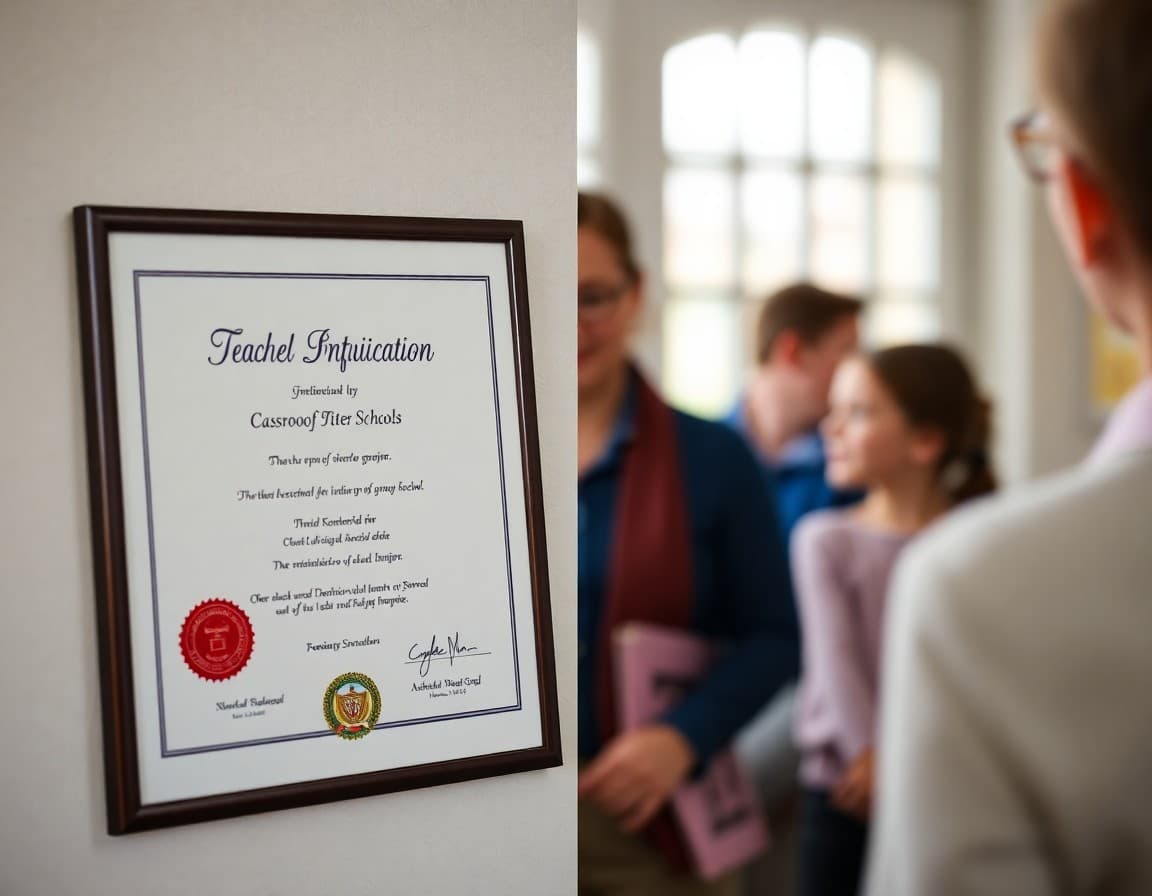
Families want to know who is teaching their child. A credential introduction newsletter answers that question proactively, before they have to wonder or ask around. Done well, it builds credibility in a single send. Done poorly, it reads like a resume and creates distance.
This guide shows you how to share your background in a way that connects rather than impresses.
What Families Actually Want to Know
When parents read a teacher introduction, they are asking three questions: Is this person qualified? Do they care about kids? Will they be honest with me? Your credential newsletter needs to answer all three, but not necessarily with formal language. A bullet-pointed list of certifications answers the first question. It does almost nothing for the second and third.
Structure your introduction to address all three by weaving credentials into a narrative rather than listing them.
Which Credentials Are Worth Mentioning
Lead with your state teaching license and subject area or grade level endorsement. That is the baseline credential families are looking for. If you have additional endorsements relevant to your classroom, mention them: reading specialist, English language learner certification, special education credential.
Skip certifications that families will not recognize or that are not relevant to your teaching assignment. Advanced professional development hours, curriculum vendor training, and internal school credentials matter to hiring committees, not to parents reading a newsletter at 7 PM.
If you have a relevant degree beyond your teaching credential, mention it briefly. A math teacher with a degree in engineering brings something specific to that subject. A literacy teacher with a graduate reading certificate has targeted expertise. Name it once and move on.
How to Write It in a Newsletter Format
Your introduction should run 150 to 200 words in the newsletter. Here is a structure that works:
Paragraph 1: Who you are and your teaching license. "My name is [Name] and I hold a state teaching credential in [subject/grade]. I have been teaching for [X years] at [school level]."
Paragraph 2: What you bring to your teaching. "My background in [area] shapes how I approach [subject or skill]. I focus on [method or philosophy] because [brief reason tied to student benefit]."
Paragraph 3: One personal detail and an invitation. "Outside the classroom, I [personal interest that relates to teaching]. I look forward to sharing more about our curriculum in the coming weeks. Feel free to reach me at [email]."
That structure covers credentials, teaching philosophy, and personal connection without reading like a job application.
First-Year Teachers: What to Say About Your Experience
You have less classroom history than a five-year veteran, but you have things they do not: recent training, current methods, and genuine energy. Name those directly.
"This is my first year as the teacher of record, though I completed two student teaching placements at [grade level] totaling 16 weeks. My preparation focused on [specific area], and I have spent the summer building our curriculum with that foundation." That is honest and specific. It respects families' intelligence and signals that you are prepared even without years of independent experience.
Alternative Certification: How to Frame It
Alternatively certified teachers often feel uncertain about how to present their path. The key is to lead with your credential, not your path to it. "I hold a [state] teaching license in [subject]" is accurate regardless of how you got there. Then add the context that helps families trust you: "I came to teaching from [previous career], which gives me [specific relevant perspective]."
A former nurse who is now a health teacher, or a software engineer who teaches middle school math, has something meaningful to offer. Name that connection clearly.
Adding Proof Beyond Words
A photo of yourself, a brief video introduction, or a link to your school bio page all add credibility to a written introduction. Families are more likely to trust a real person than a paragraph of text. If your school has a staff directory page, link to it. If not, consider whether a 60-second video is worth recording for a newsletter platform that supports embedded media.
When to Revisit Your Introduction
If you change schools, grade levels, or subject areas mid-career, send a fresh introduction newsletter. Returning families may know you from a previous year, but new families to your class deserve the same context. A brief "You may know me from [previous context] and this year I am teaching [new assignment]" bridges both audiences in one sentence.
Get one newsletter idea every week.
Free. For teachers. No spam.
Frequently asked questions
Should I mention my teaching license or certification in a newsletter?
A brief mention is appropriate, especially if you are new to the school. Families appreciate knowing you are credentialed and what your specialty area is. You do not need to list every certification or include your license number. One sentence like 'I hold a state teaching license in elementary education with an endorsement in reading' communicates what families need to know.
What if I am in my first year of teaching or just out of college?
Be straightforward about it. Saying 'This is my first year teaching and I am excited to bring everything I learned in my student teaching placements into our classroom' is honest and earns more trust than a vague introduction that sounds like you are hiding something. Families respect directness, and first-year teachers often bring high energy and current training that experienced teachers lack.
How much personal background should I share in a newsletter?
Share one to two personal details that connect to your teaching. If you grew up learning a second language, that is relevant for an ELL classroom. If you love science and it informs how you teach inquiry, mention it. Keep personal sharing focused on what families care about: will this person understand and teach my child well. Avoid oversharing unrelated personal history.
What is the difference between a bio and a newsletter introduction?
A bio is a document. A newsletter introduction is a conversation. Write your newsletter intro in first person, present tense, and direct address to families. 'I have been teaching for three years and I specialize in differentiated instruction' works better than 'Ms. Smith has three years of experience.' The direct voice builds connection faster than third-person formality.
How do I introduce myself to families when I took a non-traditional path into teaching?
Highlight what makes your path valuable to students. If you worked in industry before becoming a teacher, frame that as real-world experience you bring to your classroom. Daystage lets you build rich introductory newsletters with photos and linked resources, which is useful for teachers with varied backgrounds who want to show rather than just tell.

Adi Ackerman
Author
Adi Ackerman is a former classroom teacher and curriculum writer with 8 years in K-8 schools. She writes about school communication, parent engagement, and what actually works in real classrooms.
More for New Teacher
Ready to send your first newsletter?
3 newsletters free. No credit card. First one ready in under 5 minutes.
Get started free