
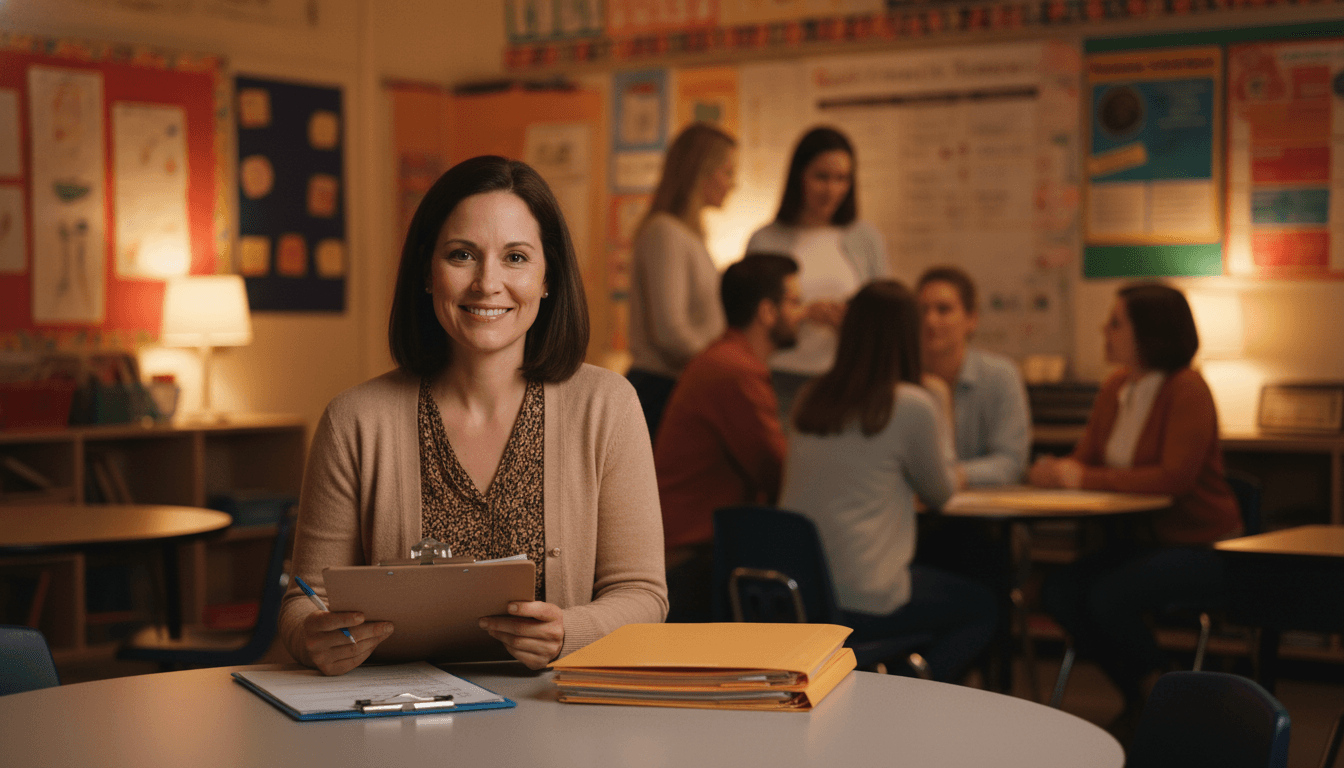
How to Introduce Yourself to Parents as a New Teacher
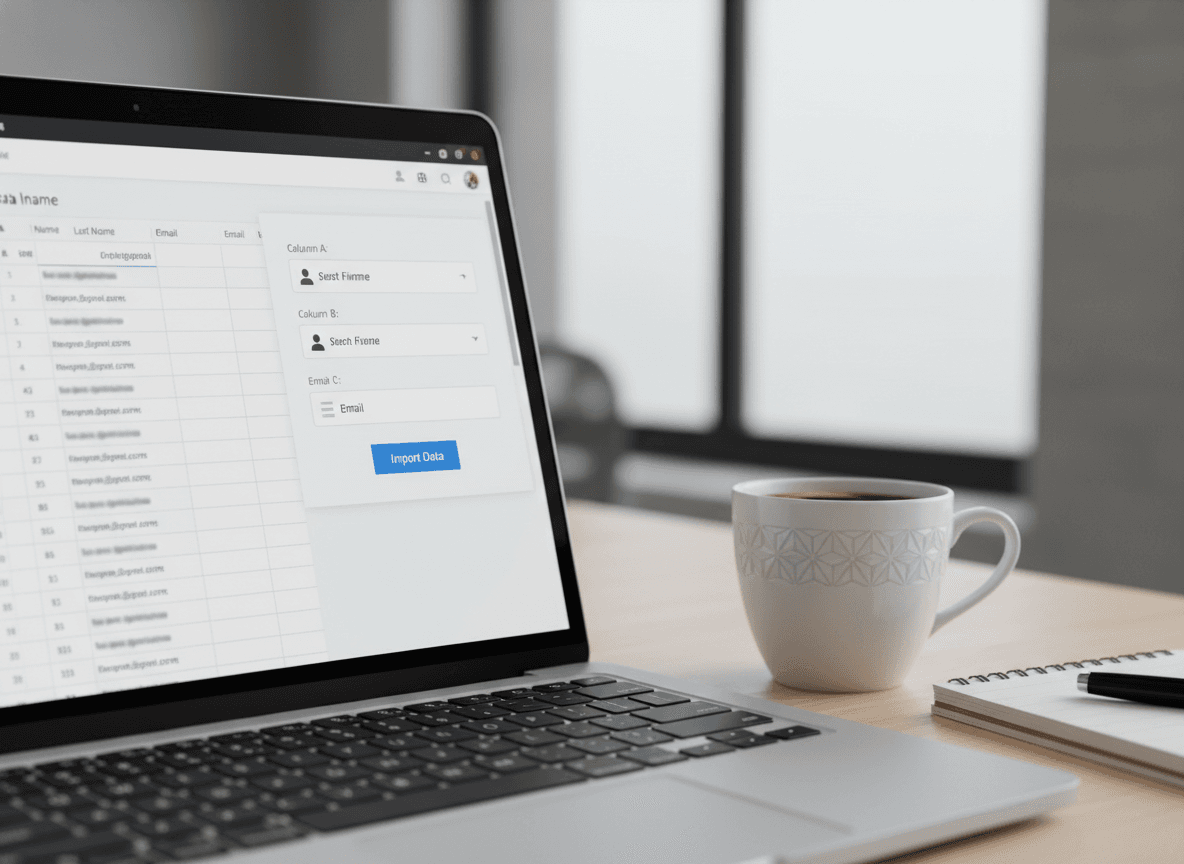
The parent introduction newsletter is one of the most important things you will send all year. It sets the tone before families have ever met you, which means it shapes their first impression before the first morning of school.
Most new teachers either rush through it or overthink it. Here is how to get it right.
What Parents Actually Want to Know
Parents reading a teacher introduction are asking two questions. First: is this person going to take good care of my kid? Second: will this person communicate clearly with me?
Everything in your introduction should answer one of those two questions. Anything that does not answer either one can probably come out.
That means your introduction should cover who you are as a person, what excites you about teaching, and how you prefer to communicate. It does not need to cover your full academic background, every unit you plan to teach, or your classroom management philosophy in detail.
How to Structure It
Three short paragraphs is the right structure for most teacher introductions. Here is what goes in each one.
The first paragraph introduces you as a person. Your name, where you are from, something brief about your path to teaching. Not a resume, just one or two details that make you feel like a real human rather than a professional title.
The second paragraph connects you to the classroom. What grade or subject you are teaching, what you are looking forward to specifically, and one thing you believe about how kids learn or how your classroom runs.
The third paragraph covers communication. Your email address, how often you check it, the best way for parents to reach you with questions or concerns, and when to expect a reply.
Tone: Warm but Not Informal
New teachers sometimes go too formal in an attempt to appear experienced. Others swing too casual because they are nervous and fall back on how they talk with friends. Neither extreme works.
Aim for the tone you would use in a conversation with a colleague's parent: warm, clear, confident, and approachable. Read your draft out loud. If it sounds like you are reciting a policy memo, rewrite it. If it sounds like a text message, tighten it up.
One thing that helps: address the newsletter to "Families of Room 14" or "Dear Fourth Grade Families" rather than "To Whom It May Concern" or "Dear Parents and Guardians." Small phrasing choices like this signal that you wrote this for them specifically, not for a generic audience.
What to Leave Out
A few things that consistently end up in teacher introductions where they do not belong:
- Classroom rules and behavior expectations. These deserve their own document, not a mention in your introduction. Including them here makes your intro feel like a warning rather than a welcome.
- A list of supplies parents need to bring. Put this in a separate communication so it does not compete with your introduction for attention.
- An apology for being new. You do not need to say "I am a new teacher but I promise I will work hard." That sentence plants a doubt before parents have any reason to have one. Leave it out.
Before You Send It
Read it once for warmth. Does it feel like a person wrote it, or like a form letter?
Read it once for clarity. Can a parent who does not know your school or classroom context understand every sentence?
Read it once for length. Could any paragraph be cut in half without losing anything important? If yes, cut it.
Then send it. A good-enough introduction sent before school starts is worth more than a perfect one sent the night before.
Get one newsletter idea every week.
Free. For teachers. No spam.
Frequently asked questions
When should a new teacher send their introduction newsletter to parents?
Send it at least three days before the first day of school, ideally the week before. Parents appreciate the heads-up. It also gives them time to reply with questions before the school year starts rather than pulling you aside during the hectic first morning.
What should a new teacher include in a parent introduction newsletter?
Your name, your teaching background (even if it is just student teaching), your communication style, what you are looking forward to this year, and one clear instruction for how parents can reach you. Keep it to three short paragraphs. Parents do not need your resume.
How long should a teacher introduction newsletter be?
Under 300 words. This is a first impression, not a handbook. If you have a lot of logistical information to share, put it in a separate follow-up. The introduction should feel human and readable, not like a policy document.
What do new teachers get wrong in their introduction newsletter to parents?
Oversharing on credentials and under-sharing on personality. Parents want to know who their child's teacher is as a person, not just their degree. They also want to know how you handle communication. A stiff, overly formal tone creates distance at the exact moment you want to build trust.
What tool helps new teachers send a polished introduction newsletter quickly?
Daystage is built for teacher newsletters and includes a ready-to-use introduction template so you are not starting from scratch. New teachers use it to send that first newsletter in under 20 minutes, with a layout that looks professional without requiring any design skill.

Adi Ackerman
Author
Adi Ackerman is a former classroom teacher and curriculum writer with 8 years in K-8 schools. She writes about school communication, parent engagement, and what actually works in real classrooms.
More for New Teacher
How New Teachers Can Communicate Their Homework Policy to Parents
New Teacher · 6 min read
New Teacher Reading and Writing Workshop Newsletter: How to Explain It to Parents
New Teacher · 5 min read
Student Teacher Newsletter Guide: How to Communicate With Families During Your Practicum
New Teacher · 6 min read
Ready to send your first newsletter?
3 newsletters free. No credit card. First one ready in under 5 minutes.
Get started free