

New Teacher Parent Meeting Newsletter: Inviting Families In
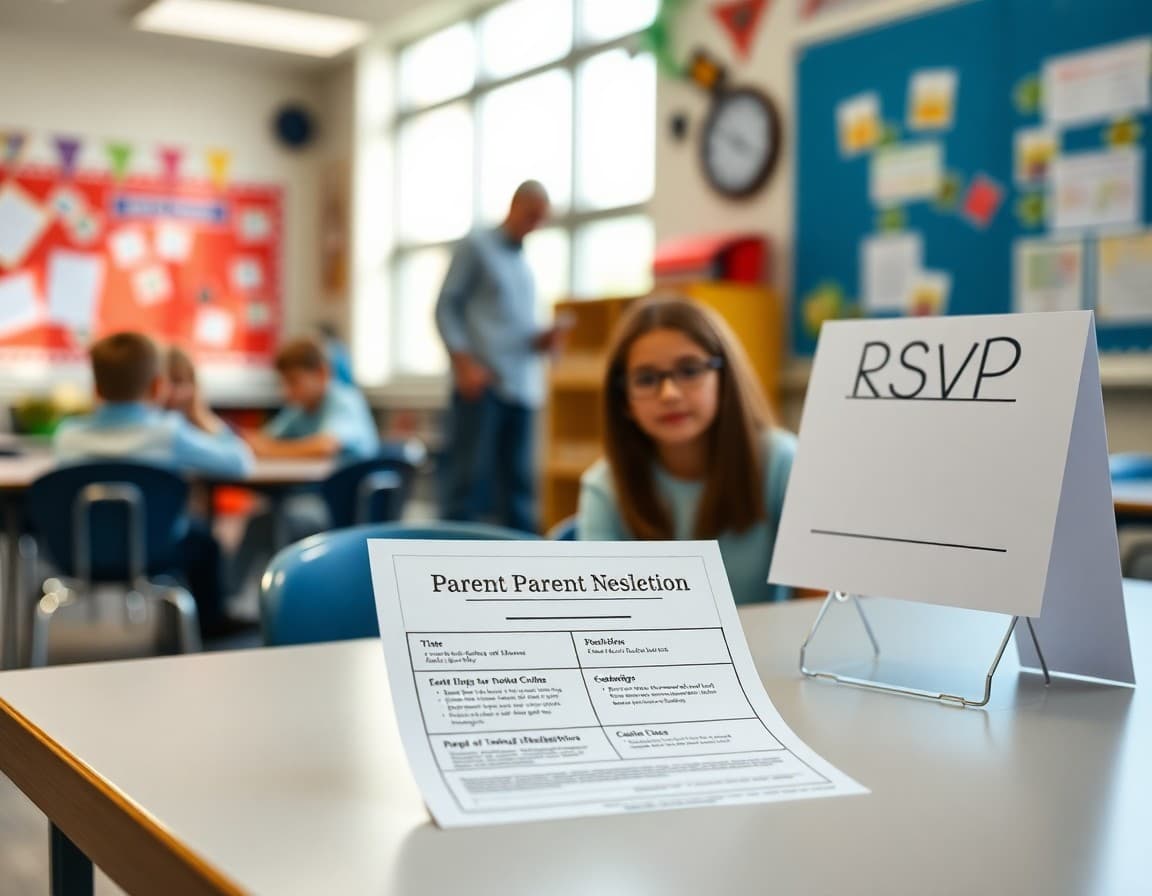
Getting families through your classroom door for the first time is one of the best investments a new teacher can make. A well-written meeting invitation newsletter does most of the work before the event even happens. It sets expectations, reduces anxiety, and tells families you are organized and intentional.
This guide covers what to write, when to send it, and how to follow up whether or not families show up.
Why Invitation Newsletters Increase Attendance
An email or note home with a date and time gets forgotten. A newsletter with context, a clear agenda, and an RSVP request gets attention. Families who know what a meeting is about, who is running it, and what they will learn are far more likely to arrange their schedule around it than families receiving a generic "curriculum night" flyer.
As a new teacher, you have an extra motivator working in your favor: curiosity. Families want to meet you. Use that energy in your invitation by naming it directly.
What to Include in the Invitation Newsletter
The meeting details come first: date, time, room number or virtual link. Then a two to three sentence paragraph about why this meeting matters specifically. "I want to walk you through how reading groups work this year so you can support your child at home" is more compelling than "Please join us for Open House Night."
Include a brief agenda with three to five items. Keep each to a single line. Add an RSVP request with a clear way to respond, even if attendance is not required. RSVPs give you a headcount and an opportunity to collect questions in advance. Finally, note the meeting length. Families plan around time.
Template: Parent Meeting Invitation
"Hello, [Class Name] families. I would love to meet you in person and share more about what your child will experience in our classroom this year. Please join me for [Event Name] on [Date] from [Start Time] to [End Time] in Room [Number].
Here is what we will cover: how our daily schedule works, how I communicate progress to families, how homework fits into our routine, and how you can help at home. There will also be time for questions.
If you plan to attend, please reply to this email or click the RSVP link below. If you cannot make it, I will send a summary newsletter with the key information. I look forward to meeting you."
That is the whole invitation. Direct, specific, and respectful of families' time.
Timing Your Newsletter Sequence
Three sends is the standard for events with high attendance stakes. Send the first newsletter two to three weeks out with full details. Send a reminder seven days before with the date, time, and agenda repeated. Send a final reminder two days before with the event link or directions if needed.
Each reminder should be shorter than the previous one. The two-day reminder can be three sentences. Families who are attending already know the details. Families on the fence need a prompt, not another long read.
Handling Low Attendance
Expect uneven attendance at your first meeting, especially if you are new to the school. Some families have multiple children in different classes, demanding work schedules, or transportation barriers. None of that is a reflection of their interest in their child.
Send a follow-up newsletter within 48 hours of the event. Include the main points covered, any handouts as attachments, and an invitation to reach out with questions. Families who did not attend but receive a summary often become more engaged than those who were there, because the summary shows them you think of communication as ongoing, not event-based.
Asking for Questions Before the Meeting
One of the most useful things a new teacher can do is invite families to submit questions before the meeting. Include a line in your invitation: "If you have specific questions about [subject or policy], reply to this email and I will make sure to address them."
This serves two purposes. You get a real agenda shaped by what families actually want to know. And families who submit questions feel heard before they even walk in the door. That lowered barrier is especially valuable for families who have had difficult experiences with schools in the past.
Virtual Meeting Options
If your school does not host formal open houses, or if you want to include families who cannot attend in person, offer a virtual session. A 30-minute Zoom or Google Meet with a recorded option covers most of what a physical meeting does. Send the recording link in a follow-up newsletter so every family has access to the same information regardless of how they participated.
Include the virtual link in every meeting newsletter, even when in-person is the primary option. Families appreciate the flexibility and you remove the excuse that geography or schedule prevented them from engaging.
Get one newsletter idea every week.
Free. For teachers. No spam.
Frequently asked questions
How far in advance should I send a parent meeting newsletter?
Send the first announcement two to three weeks out, then a reminder one week before, and a final reminder two days before. This sequence dramatically increases attendance compared to a single announcement. Families have busy schedules and many need to arrange childcare or request time off work. Early notice and multiple reminders respect those realities.
What information must be in a parent meeting invitation?
Date, time, location, how to RSVP or confirm attendance, and a brief agenda so families know what to expect. Families who know what a meeting is about are more likely to come than those receiving a vague invitation. Two to three bullet points on the agenda is enough.
How do I invite families who work evenings or cannot attend in person?
Offer a virtual attendance option or a recording of key points. If in-person is the only option, mention that you will follow up with a summary newsletter for those who could not attend. Acknowledging that not everyone can come reduces the guilt that keeps families from engaging at all.
What should I do if only a few families attend my first meeting?
Send a follow-up newsletter with the key points from the meeting. Include whatever handouts were distributed and a short paragraph summary of what was covered. This ensures all families receive the information regardless of attendance and shows families that you document and communicate consistently. Low first-meeting attendance is common for new teachers.
Can I use a newsletter to replace a parent meeting entirely?
For routine updates, yes. A newsletter can deliver the same information that a 20-minute back to school night often covers. Daystage lets you build newsletters with embedded links and downloadable resources so families get a meeting-quality information package without needing to travel. For sensitive conversations, meet in person or by phone instead.

Adi Ackerman
Author
Adi Ackerman is a former classroom teacher and curriculum writer with 8 years in K-8 schools. She writes about school communication, parent engagement, and what actually works in real classrooms.
More for New Teacher
Ready to send your first newsletter?
3 newsletters free. No credit card. First one ready in under 5 minutes.
Get started free