

How New Teachers Can Share Classroom Rules and Expectations With Families
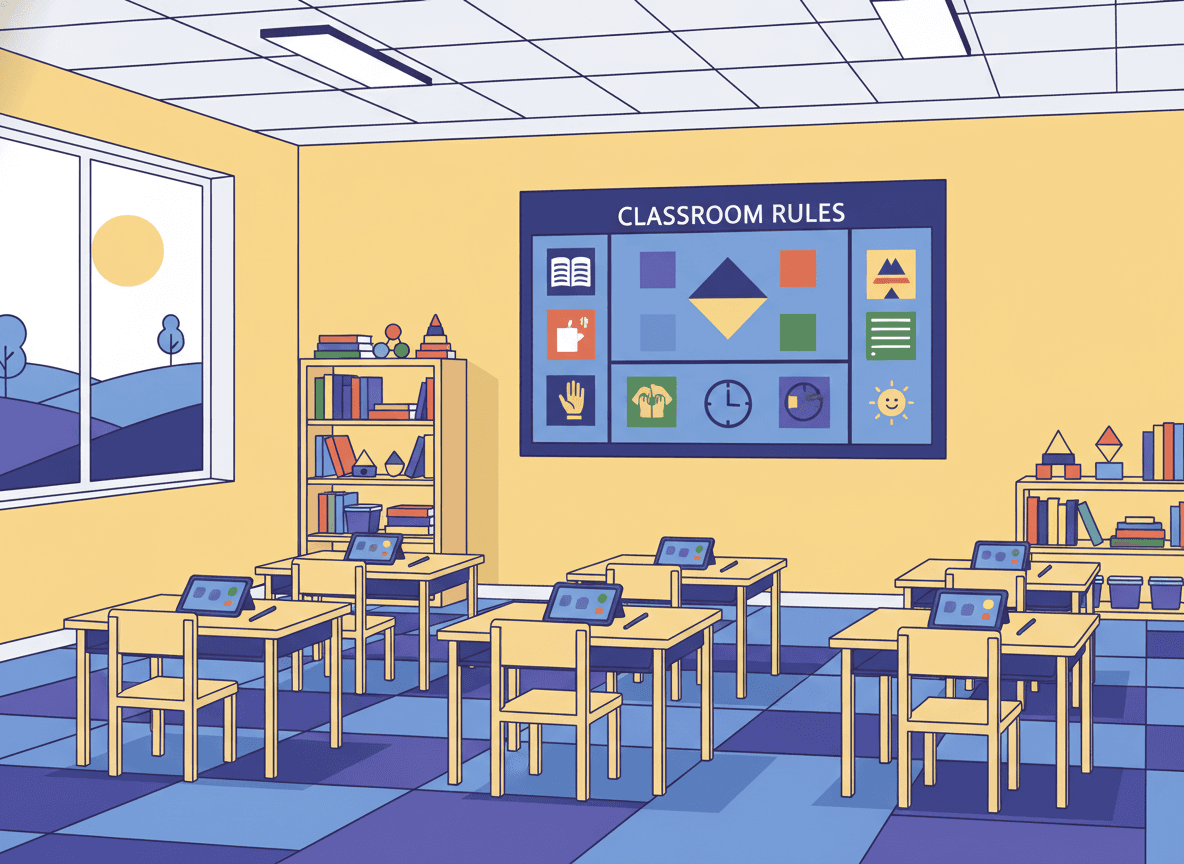
Classroom rules and expectations are usually among the first things you establish when school starts. They are also among the first things parents want to know about. When parents understand the norms of your classroom, they reinforce them at home. When they do not, they undermine them without realizing it.
Communicating your classroom expectations clearly and early is one of the highest-leverage things you can do in your first weeks of school.
When to Send Your Classroom Expectations Communication
Do not send your classroom rules in your introduction email. The intro email is about who you are. Save the rules for the first or second newsletter of the year, after school has started and students have experienced them in practice.
Why this timing matters: sending a list of rules before school starts makes parents feel like they are receiving a contract rather than a welcome. Sending it after the first week, with context about how your students have responded, makes it feel collaborative. "Here is what we established together as a class" is different from "here is my list of rules."
How to Frame Classroom Expectations for Parents
Explain the Purpose Behind the Rules
Parents who understand why a rule exists are more likely to support it. "No talking during independent work time" sounds restrictive. "During independent work time, students practice staying focused without prompting, which is a skill they will need throughout school. We keep this time quiet so everyone can build that focus muscle" makes the same rule feel purposeful.
For each major classroom expectation you communicate, include one sentence of rationale. Not a paragraph. One sentence. Parents do not need a lecture on classroom management philosophy. They need enough context to understand why you are doing what you are doing.
Describe What Expectations Look Like in Practice
"Be respectful" is a rule that means almost nothing to a parent reading a newsletter. Describe what respect looks like in your classroom specifically. "In our classroom, respect means listening when someone is speaking, using kind words when disagreeing, and treating shared materials carefully." Concrete descriptions help parents talk to their child about expectations in the same language you use.
Include Your Consequence and Recognition System
Parents need to know what happens when expectations are met and when they are not. Explain both. "When students consistently follow our classroom agreements, they earn [recognition system]. When expectations are not met, here is the process we use." Transparency about consequences prevents the "my child told me they got in trouble but wouldn't tell me why" emails.
Classroom Expectations Letter vs. Newsletter Section
You have two options for how to deliver this communication:
- A dedicated section in your first or second weekly newsletter. This works well if your rules are simple and can be covered in half a page. The advantage is that parents are already in the habit of reading your newsletter, so the information reaches them in a familiar format.
- A separate one-page classroom expectations letter sent home in backpacks.This works well for detailed expectations that deserve their own space. Consider asking parents to sign and return the bottom portion to confirm they received and reviewed it. This creates a simple documentation trail that protects you if expectations are later disputed.
Many teachers do both: a brief mention in the newsletter and a more detailed letter home.
What Parents Often Ask About Classroom Rules
Address these questions proactively in your expectations communication:
- "What happens if my child breaks a rule?" Answer this directly. Do not make parents wonder about consequences.
- "Will I be notified if there is a problem?" Tell them your policy. "I will contact you by email if a behavior issue repeats across more than two days or involves another student in a significant way."
- "How can we support these expectations at home?" Give one or two specific suggestions. "Talking to your child about how their day went, and asking specifically whether they used any of our classroom agreements, helps reinforce the expectations beyond school hours."
Updating Expectations Communication When Things Change
First-year teachers sometimes need to adjust classroom expectations mid-year. A rule that looked good on paper does not work in practice. A behavior system that worked in September needs modification by November.
When this happens, communicate the change to parents. Not as an apology, but as a straightforward update. "I am adjusting how we handle [specific expectation]. After watching how students respond, here is the updated approach and why." This transparency models the kind of reflective practice that builds trust with families.
Reinforcing Expectations Throughout the Year
Classroom expectations communication is not a one-time task. Briefly reference relevant classroom norms in your newsletter when they become particularly relevant. After a stretch where the class has struggled with a specific expectation, a gentle newsletter mention inviting home reinforcement can help.
"We have been working hard on active listening this week, making eye contact and waiting for the speaker to finish before responding. Students have made real progress. If you have a chance to practice this at home during conversations, it makes a difference." This keeps parents engaged in classroom culture without being preachy.
Get one newsletter idea every week.
Free. For teachers. No spam.
Frequently asked questions
When should new teachers share classroom rules and expectations with parents?
Send your classroom expectations to families by the end of the first week of school. Getting it out early, before any conflicts or concerns arise, means parents encounter your rules as context rather than as an explanation after something went wrong.
What should a new teacher include when communicating classroom rules to parents?
Cover three things: the expectations themselves in plain language, how you will reinforce them in the classroom, and what families will see at home if expectations are not being met. Avoid listing 15 rules. Three to five clear expectations that cover everything are easier for families to support.
How should new teachers frame classroom expectations in their newsletter?
Frame expectations as a community agreement rather than a list of prohibitions. Instead of 'No talking during lessons', write 'We listen when someone else is speaking.' Parents respond better to positive framing, and it reflects the actual language you are using with students.
What mistakes do new teachers make when sharing classroom rules with families?
Most new teachers either skip this communication entirely or bury it in a long back-to-school packet that gets filed away. A second mistake is sending it in week four after a behavior issue comes up. By then it reads as reactive, not proactive.
How can Daystage help new teachers communicate classroom expectations to families?
Daystage makes it easy to include a classroom expectations section in your first newsletter and link back to it throughout the year. Keeping expectations visible in your weekly communication is one of the simplest ways to reduce parent confusion about classroom management.

Adi Ackerman
Author
Adi Ackerman is a former classroom teacher and curriculum writer with 8 years in K-8 schools. She writes about school communication, parent engagement, and what actually works in real classrooms.
More for New Teacher
New Teacher STEM Communication: How to Explain STEM Projects to Families
New Teacher · 5 min read
New Teacher Arts and Music Communication: Keeping Families Connected to Creative Learning
New Teacher · 5 min read
New Teacher Field Trip Newsletter: What to Communicate Before the Big Day
New Teacher · 5 min read
Ready to send your first newsletter?
3 newsletters free. No credit card. First one ready in under 5 minutes.
Get started free