
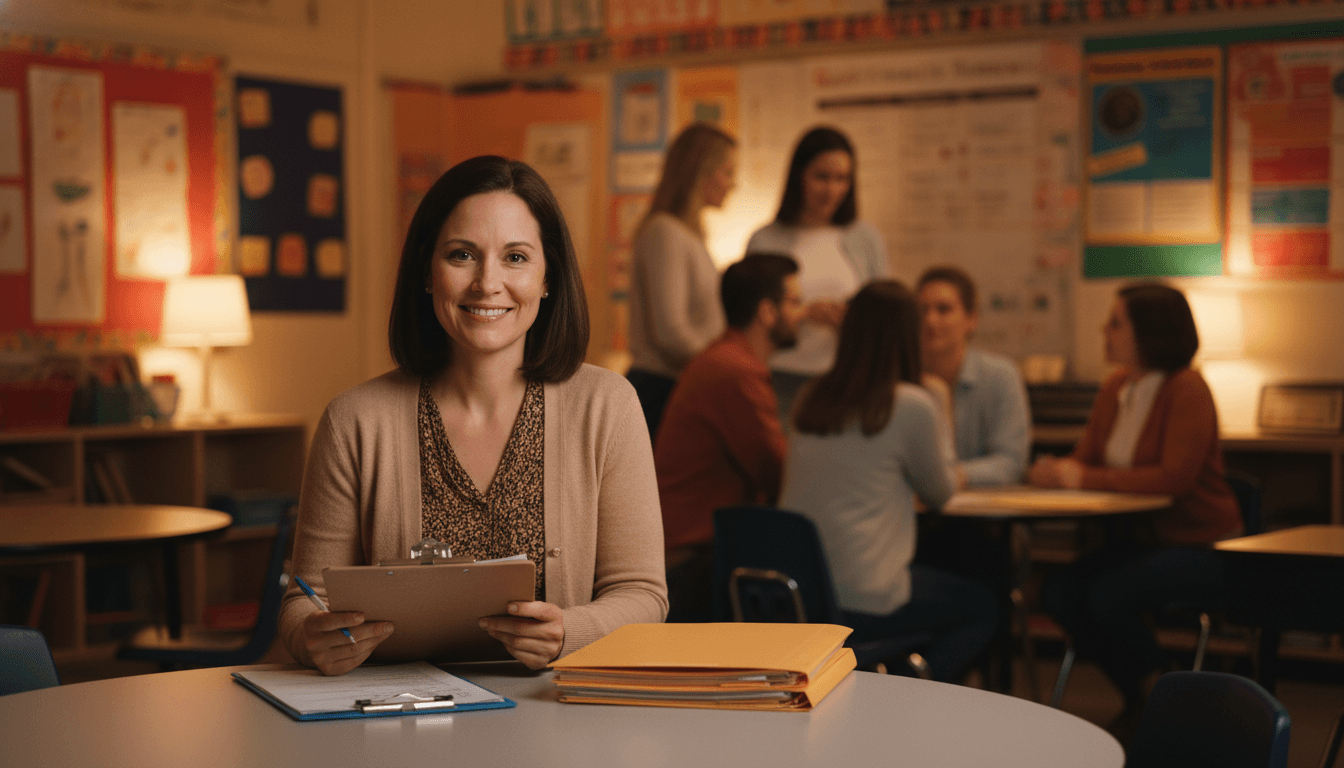
New Teacher Classroom Management Newsletter: What to Tell Parents
New teachers often think of classroom management as something that happens between them and their students. Parents are in a separate category. The reality is that families who understand your expectations are your most valuable classroom management partners.
Here is how to communicate your management approach in a way that builds that partnership.
Why Parents Need to Know Your System
When a parent knows that your classroom uses a specific set of expectations around respect, responsibility, and participation, they can echo the same language at home. "Your teacher says the classroom expectation is that everyone has time to share their thinking" lands differently than a vague "listen in class."
When a parent does not know how your management works and their child has a difficult week, they often fill the information gap with worry. Transparent communication about how your classroom runs prevents most of those anxious mid-week emails asking what happened.
What to Cover in Your Management Newsletter
A strong classroom management newsletter covers four things:
- Your three to five main expectations. Use simple language. "We respect each other and the space" is clearer than "Students are expected to maintain an appropriate level of interpersonal decorum." Write the expectation the same way you say it to students.
- How you recognize positive behavior. Whether you use a reward system, verbal praise, class privileges, or something else, parents appreciate knowing what their kid might be excited about at home.
- What happens when expectations are not met. Describe your steps without making it sound like a threat. "When students are having trouble meeting expectations, we start with a private conversation and then create a plan together" is honest and de-escalating.
- When parents will hear from you about behavior. If you have a policy of contacting parents after a specific threshold, tell them. Families who know the trigger points are less surprised when the call comes.
The Language That Works
Use the word "we" when describing your classroom. "In our classroom, we take care of our community" invites families into a shared space. "In my classroom, my students are expected to follow my rules" puts the teacher in the center and the family on the outside.
Avoid jargon. "Positive behavioral interventions" means nothing to most parents. "What we do when behavior needs support" means the same thing and is actually readable.
Ongoing References Throughout the Year
Send the expectations newsletter once at the start of the year. After that, weave brief references into your weekly newsletters in natural ways. "This week the class was especially kind to each other during group projects" reinforces your expectations without reposting the document.
When you reference a positive behavior in the newsletter, parents often bring it up with their kids. That dinner table conversation is worth more than a lecture from any teacher.
What Stays Private
Individual incidents stay out of the newsletter entirely. If a student had a difficult Wednesday, that conversation happens privately with that student's family, not in the Friday update.
Even general statements like "it has been a challenging week behavior-wise" belong off the page. Families with well-behaved kids do not need to worry about it, and families with kids who had a hard week may feel targeted. Keep the newsletter focused on the positive patterns and save the concerns for individual communication.
Get one newsletter idea every week.
Free. For teachers. No spam.
Frequently asked questions
When should a new teacher share classroom management information with parents?
Before school starts or during the first week. Families who know your expectations from day one can reinforce the same language and approach at home. Waiting until a behavior problem occurs means you are sending the management newsletter in reaction mode rather than as a welcome resource.
What classroom management information should a new teacher put in a parent newsletter?
Share your three to five main classroom expectations, how you reinforce positive behavior, and what steps happen when expectations are not met. Keep it to one page. Families do not need a 20-page handbook. They need to know what your classroom feels like and what to expect if their child struggles.
How detailed should a new teacher's behavior expectations newsletter be?
Brief and plain language. Write for a parent reading on their phone at 9pm. If a paragraph needs a second reading to understand, rewrite it. Bullet points work better than dense paragraphs for expectations lists.
What should a new teacher never share about classroom management in a newsletter?
Never describe individual student incidents in the class-wide newsletter. Even without names, small classroom communities often know exactly who is being described, which embarrasses the student and damages the parent relationship. Specific behavior concerns belong in a private conversation.
Can Daystage help new teachers communicate their classroom expectations more consistently?
Yes. Daystage makes it easy to send a standalone communication early in the year covering your expectations, then reference those standards naturally in weekly newsletters throughout the year. That reinforcement keeps families aligned without requiring a new document every month.

Adi Ackerman
Author
Adi Ackerman is a former classroom teacher and curriculum writer with 8 years in K-8 schools. She writes about school communication, parent engagement, and what actually works in real classrooms.
More for New Teacher
Ready to send your first newsletter?
3 newsletters free. No credit card. First one ready in under 5 minutes.
Get started free