

New Teacher Behavior System Newsletter for Parents
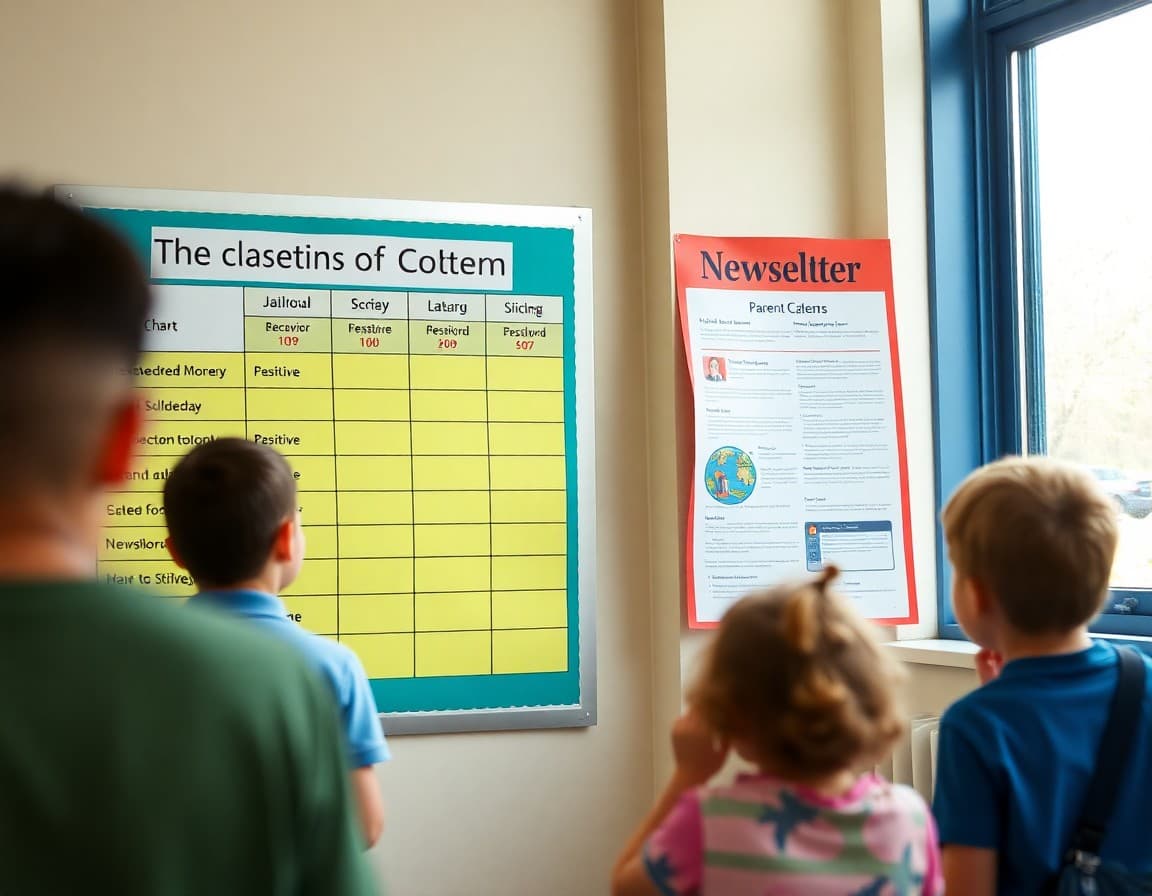
Families form opinions about a teacher's classroom management before they ever see it in action. The stories they hear come from their children, other parents, and whatever you tell them directly. A behavior system newsletter gives you control over that narrative from the start.
Here is how to write one that builds trust instead of anxiety.
Why Explain Your Behavior System at All
Some teachers skip this newsletter entirely and only communicate with families about behavior when something goes wrong. That approach trains families to associate any behavior-related message from you with bad news. They stop reading those messages, or they read them already on the defensive.
When families understand your system before any incident happens, they respond to behavior notes differently. They see a communication from a teacher they already trust, not a call from the principal's office. The difference in family response is significant.
Positive Reinforcement: Explain It Specifically
If your classroom uses a positive behavior system, describe how it works in concrete terms. Vague phrases like "we celebrate good choices" communicate nothing. Specific language like "students earn class points for focused work time, and at 50 points we celebrate with a class choice activity" gives families a clear picture they can reinforce at home.
Name any visual tools families might hear about: a clip chart, a point tracker, a behavior bead jar, or a digital PBIS platform. If you use ClassDojo for behavior points, explain what the points mean and how families can see them. Children come home and describe these systems in incomplete ways. Your newsletter fills in the gaps.
Template: Behavior System Overview Section
"Our classroom uses a positive behavior support approach. Here is how it works:
Expectations: We have three classroom agreements: be respectful, be responsible, and be ready to learn. We review these daily and they guide everything we do together.
Recognition: When students consistently meet expectations, they earn recognition points that go toward individual and class rewards. I also write personal notes home for students who demonstrate exceptional effort or growth.
Corrections: When a student struggles to meet expectations, I first give a private reminder. If behavior continues, we have a brief check-in conversation. For repeated or serious concerns, I reach out to families directly. Families will always hear from me before a situation escalates to a referral or office visit."
That section covers the full picture in under 150 words.
Explaining School-Wide Systems
Many schools use district or school-wide programs like PBIS, Restorative Practices, or Positive Discipline. If your school has one, name it in your newsletter and explain what it means at the classroom level. "Our school uses PBIS, which stands for Positive Behavioral Interventions and Supports. In our classroom, that means I focus on teaching expected behaviors rather than just reacting when expectations are not met."
If your school sends families information about the school-wide system separately, you can reference that document and focus your newsletter on your specific classroom implementation.
What to Say About Home-School Connection
Ask families for one thing they can do to support classroom expectations. Keep it simple: "If your child mentions our classroom agreements at home, ask them to explain one of the three. Conversations about expectations at home reinforce what we practice at school." That request is easy to fulfill and strengthens the connection between home and school behavior expectations.
Be explicit about when you will contact them. "If your child has a significant behavior concern, I will reach out by email that day. I will not wait for a conference or send a vague note home. You will know what happened and what we did about it."
Handling Sensitive Situations
Some children have specific behavioral needs that warrant separate, private communication beyond a classroom newsletter. Your newsletter should not include individual student information. However, you can include a brief line: "If your child has specific emotional or behavioral needs, please reach out to me directly so we can set up a conversation about how to best support them."
This invitation ensures that families who need to talk to you one-on-one know you are open to it without requiring them to read between the lines of a general newsletter.
Revisiting Behavior Communication Throughout the Year
Your behavior system newsletter is not a one-time send. Reference your system briefly in your weekly newsletters when relevant. When a class milestone is reached, mention it. When you introduce a new incentive or adjust an expectation, send a short update. Families who receive regular, normalized communication about behavior never see a behavior note as a red flag. It is just Tuesday's update from a teacher they hear from regularly.
Get one newsletter idea every week.
Free. For teachers. No spam.
Frequently asked questions
When should I explain my behavior system to families?
Send your behavior system newsletter during the second week of school, after your welcome newsletter has introduced you and your class overview. Families who receive a behavior explanation before anything goes wrong are far more cooperative partners than families who only hear about your system when there is an incident to discuss. Early communication sets a proactive tone.
How detailed should a behavior newsletter be?
Cover the essentials without overwhelming families. Describe your positive reinforcement approach in one paragraph, name your correction steps briefly, and explain what families should expect to hear from you and when. Two to three paragraphs is the right length. If your school uses a specific program like PBIS, name it and describe how it shows up in your classroom.
Should I mention consequences in the behavior newsletter?
Yes, briefly. Families who know what happens when rules are broken are less surprised and less defensive when they receive a behavior note. Frame consequences as a natural part of learning expectations, not as punishments. 'When students need a reminder, I follow these steps' reads very differently than 'students will be punished for breaking rules.'
What is the best way to involve families in classroom behavior support?
Give families one specific thing they can do at home. This might be reviewing classroom expectations with their child, practicing a calming technique you use in class, or responding promptly to any behavioral notes you send home. Families who feel like partners in behavior support are far more effective than families who feel blamed when problems arise.
What should I do if a family disagrees with my behavior system?
Invite a conversation early rather than waiting for conflict. Most disagreements come from misunderstanding rather than genuine opposition. A newsletter that clearly explains your approach gives families the full picture before they form a negative opinion. Daystage lets you include a reply link so families can ask questions directly without needing to track down your email address.

Adi Ackerman
Author
Adi Ackerman is a former classroom teacher and curriculum writer with 8 years in K-8 schools. She writes about school communication, parent engagement, and what actually works in real classrooms.
More for New Teacher
Ready to send your first newsletter?
3 newsletters free. No credit card. First one ready in under 5 minutes.
Get started free