

Classroom Blog vs. Newsletter: Which Is Better for Parents?
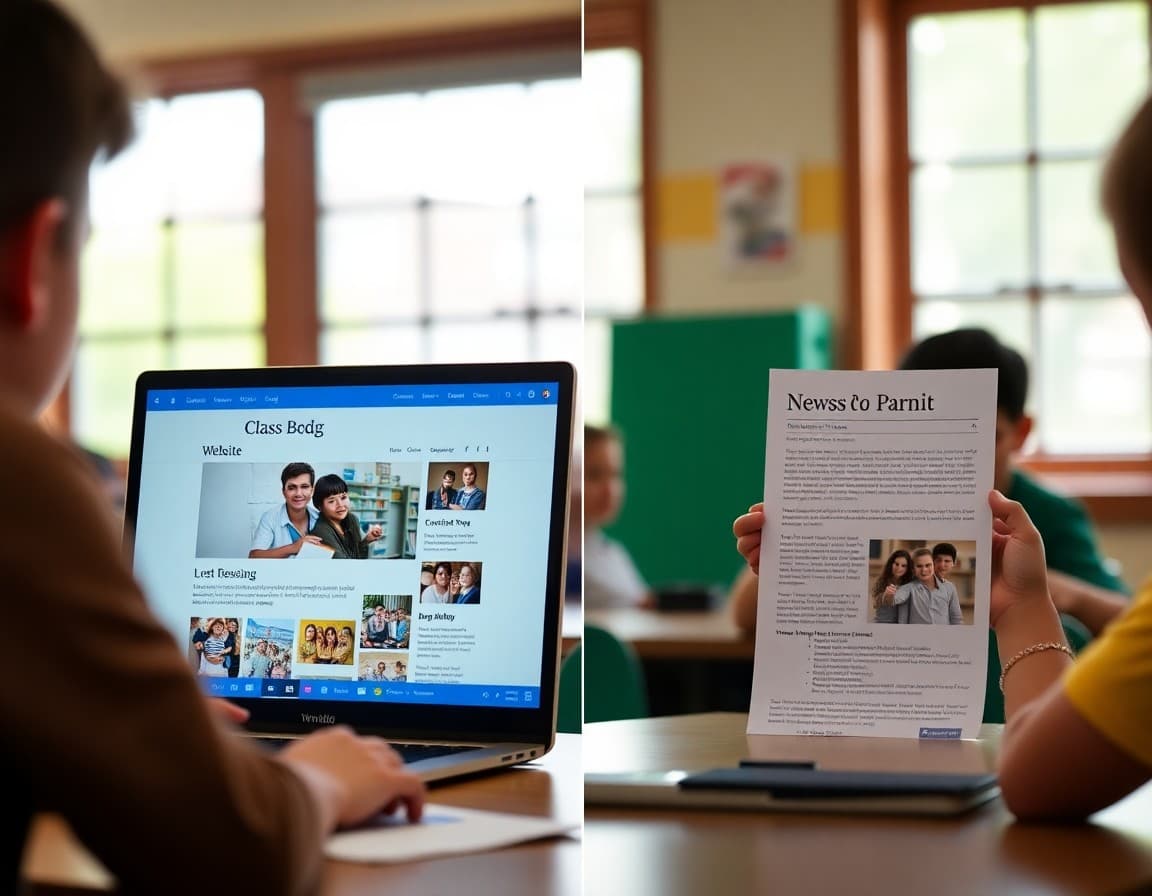
Every year, teachers face a communication platform decision. Some go with a newsletter. Some set up a classroom blog. Some try both and end up abandoning one. Understanding the practical differences before you choose saves you time and frustration in September.
How Each Tool Reaches Families
A newsletter pushes information to families. It arrives in their email inbox without them doing anything. Families who do not opt out or unsubscribe will see it. Open rates for school newsletters from recognized senders typically run between 40 and 70 percent, depending on how consistently they are sent and how relevant families find them.
A classroom blog requires families to visit a URL on their own initiative. Unless you notify them by email every time you post, most families check classroom blogs rarely after the first two weeks. Blog traffic for non-promoted posts typically drops to under 10 percent of families by October. If you want families to read a specific post, you end up emailing them anyway, which defeats the purpose of the blog as the primary channel.
Time Investment Compared
Writing a newsletter and a blog post take roughly the same amount of time per piece of content. The difference is the overhead. Newsletters go directly to families once you hit send. Blog posts require managing a platform, dealing with broken links or login issues, and potentially building an audience that is not guaranteed to grow.
Most platforms for classroom blogs, like Weebly, WordPress, or Google Sites, also require more technical setup time upfront than a newsletter tool. That setup cost matters when you are a new teacher with many competing priorities in August.
Engagement Patterns
Newsletters generate replies. When you write something that resonates or include a call to action, families respond directly in email. That direct feedback loop is valuable and helps you understand what information families find most useful.
Blogs generate comments sometimes, but comment sections require moderation and are often disabled for school safety reasons. Families of school-age children rarely return to a classroom blog to read comments from other families. The community-building potential of a blog comment section is largely theoretical for most classroom situations.
What Blogs Do Better
Blogs have genuine strengths for specific purposes. An organized blog with categorized posts and search functionality lets families find information from earlier in the year. A newsletter archive is harder to browse. If a family wants to find the supply list you sent in August, a blog with tags or categories surfaces it faster than scrolling through their email inbox.
Blogs also handle media better in some platforms. If you document your classroom through extensive photos and video, a blog gives you more display flexibility than most newsletter tools. A richly visual classroom blog can serve as a portfolio of the year's work in a way that a newsletter archive cannot.
What to Choose as a New Teacher
Start with a newsletter. It requires less technical setup, reaches more families automatically, and gives you immediate feedback through replies and open rates. Once you have a consistent newsletter rhythm that families rely on, consider adding a blog as a supplementary archive that you link to from the newsletter.
Do not start with both. Maintaining two communication channels from scratch in your first months of teaching divides your attention without delivering proportionally more value to families. One well-maintained newsletter beats two inconsistently updated platforms every time.
When Families Are Not Engaging With Either
Low family engagement with classroom communication is rarely a platform problem. It is usually a content or consistency problem. Newsletters that families actually read are specific, timely, and relevant to their child. Blogs that families visit regularly are updated frequently with content that cannot be found elsewhere. If you are not getting engagement, look at what you are communicating and how often before switching tools.
Get one newsletter idea every week.
Free. For teachers. No spam.
Frequently asked questions
What is the main difference between a classroom blog and a newsletter?
A newsletter is pushed to families. It lands in their inbox and they read it when it arrives. A classroom blog is pulled. Families have to remember to visit it and actively check for updates. This difference in delivery model has a significant impact on engagement. Newsletters consistently reach higher percentages of families because they remove the requirement to seek information out. Blogs work well as supplementary archives but rarely as the primary communication channel.
Do families prefer blogs or newsletters?
Survey data from school communication studies consistently shows families prefer email-based newsletters over platforms that require them to log in or visit a website. The preference is especially strong among families with multiple children who would need to check separate classroom blogs for each child. A newsletter that arrives in their existing email inbox has zero friction. A blog requires a bookmarked URL, a login, and a voluntary habit.
Are there cases where a classroom blog is better?
Yes. For archiving student work, showcasing projects with photos, and building a record of the year, a blog has advantages a newsletter does not. A blog also works well for classrooms where students contribute directly to the communication, like a journalism class or a middle school writing class where students author entries. For routine parent communication, newsletters win on reliability.
Can I use both a blog and a newsletter?
Many teachers do. The newsletter is the primary communication channel that reaches every family reliably each week. The blog is the archive where families can browse project photos, read student writing, or find older information. Link to relevant blog posts from your newsletter to drive traffic. The newsletter does the outreach work. The blog does the archiving work.
What platform is easiest for a new teacher who wants newsletter delivery with a clean archive?
Daystage is built specifically for school newsletter communication and lets you send newsletters that land in family inboxes while also maintaining an accessible archive. Families do not need to create accounts to read your newsletters, which removes the login friction that kills most classroom blog engagement.

Adi Ackerman
Author
Adi Ackerman is a former classroom teacher and curriculum writer with 8 years in K-8 schools. She writes about school communication, parent engagement, and what actually works in real classrooms.
More for New Teacher
Ready to send your first newsletter?
3 newsletters free. No credit card. First one ready in under 5 minutes.
Get started free