

Teacher Newsletter: Talking to Families About Substance Prevention Education
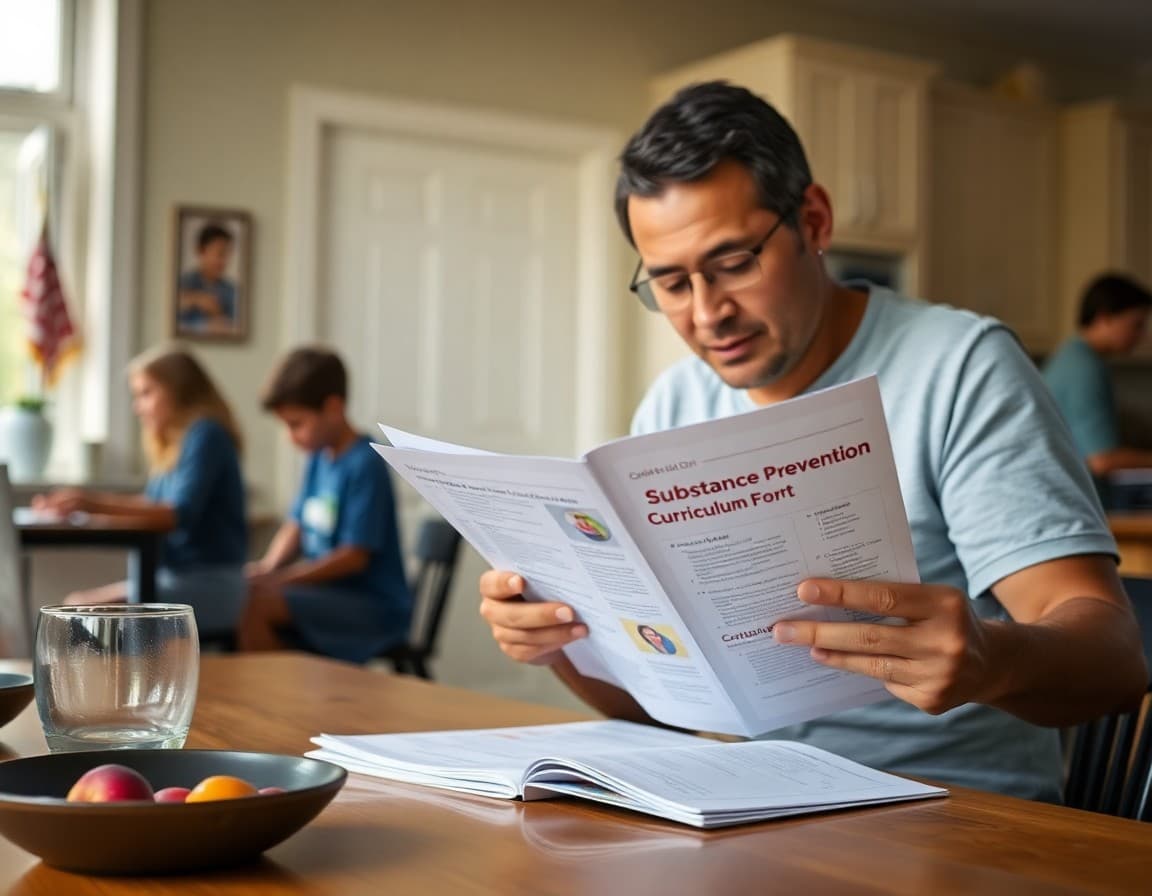
Substance prevention education is most effective when it is reinforced at home. A family who knows what is being taught in school can ask better questions, share relevant values, and be a consistent voice in their student's decision-making. A newsletter that introduces the prevention curriculum to families before students come home talking about what they learned turns a school-only lesson into a family conversation.
What We Cover in Substance Prevention Education
Describe the curriculum: what substances are covered, what decision-making frameworks are taught, and how the content is age-appropriate for middle school. Include the name of the program or curriculum if families might research it independently.
Why This Topic at This Age
Middle school is the developmental window where peer influence peaks and where many first encounters with substances occur. Prevention education at this stage is not about assuming every student will use substances; it is about building the refusal skills and decision-making frameworks students need before the situation arises.
What Students Learn About Decision-Making
Go beyond the what and describe the how: what strategies students practice for identifying social pressure, how they role-play refusal scenarios, and what they learn about the short- and long-term effects of substance use. Parents who know this understand that the curriculum is building skills, not just delivering information.
How Families Can Reinforce the Message
Share two or three specific conversation starters families can use at home. What did you learn about today? What would you do if someone offered you something you were not comfortable with? What do you think about what you learned? Families who have ongoing conversations rather than one-time talks are the most effective prevention partners.
Signs of Concern and What to Do
Include a brief, non-alarmist list of behavioral changes that may indicate a student is experimenting with substances: changes in friend groups, unexplained mood changes, declining grades, increased secrecy, and items families might notice are missing from their home. Pair each sign with a clear next step: contact the school counselor, have a direct conversation, or consult a pediatrician.
Community Resources
List school and community resources: the school counselor's contact information, local substance use prevention hotlines, and any parent workshops the district offers. A newsletter that ends with resources is more useful than one that ends with a general call to action.
How to Reach Us With Questions
Close with your contact information and an explicit invitation for families to follow up. Families who have specific concerns about their student or about the curriculum deserve a direct response, not a form letter.
Get one newsletter idea every week.
Free. For teachers. No spam.
Frequently asked questions
Why does substance prevention education start in middle school?
Research on adolescent substance use consistently shows that the middle school years are when experimentation often begins. Students who receive prevention education before they encounter peer pressure are more likely to make safer choices than students who first hear about drugs and alcohol from peers. The window for maximum impact is grades 6 through 8.
What should a substance prevention newsletter to families include?
Describe what the curriculum covers, what age-appropriate prevention strategies are being taught, how families can reinforce the content at home, and what signs of substance use concern to watch for. Include school and community resources families can access if they have specific concerns.
How do you communicate about substance prevention without alarming families?
Use factual, matter-of-fact language. Most students receive substance prevention education before they have any personal experience with substances, and the goal is to build decision-making skills before that context arises. Frame the communication around prevention and skill-building rather than around crisis or fear.
What can parents do to reinforce substance prevention at home?
Have honest, age-appropriate conversations about substances before your student encounters them. Ask about what they learned in class. Share your family's values. Establish clear expectations without ultimatums. Research shows that students who have ongoing conversations with parents about substances are significantly less likely to use them than students who received only school-based education.
How does Daystage help schools communicate about prevention curriculum?
Daystage lets school counselors and health educators send a clear, professionally formatted prevention newsletter to all families at once, with resources for further learning and contact information for families with specific concerns.

Adi Ackerman
Author
Adi Ackerman is a former classroom teacher and curriculum writer with 8 years in K-8 schools. She writes about school communication, parent engagement, and what actually works in real classrooms.
More for Middle School
Teacher Newsletter: Communicating Our Mental Health Unit to Families
Middle School · 5 min read
Teacher Newsletter: Communicating With Families About Our Puberty Unit
Middle School · 5 min read
Middle School Advisory Newsletter: Communicating What Homeroom and Advisory Does for Students
Middle School · 5 min read
Ready to send your first newsletter?
3 newsletters free. No credit card. First one ready in under 5 minutes.
Get started free