

Teacher Newsletter: Helping Students Build Effective Note-Taking Skills
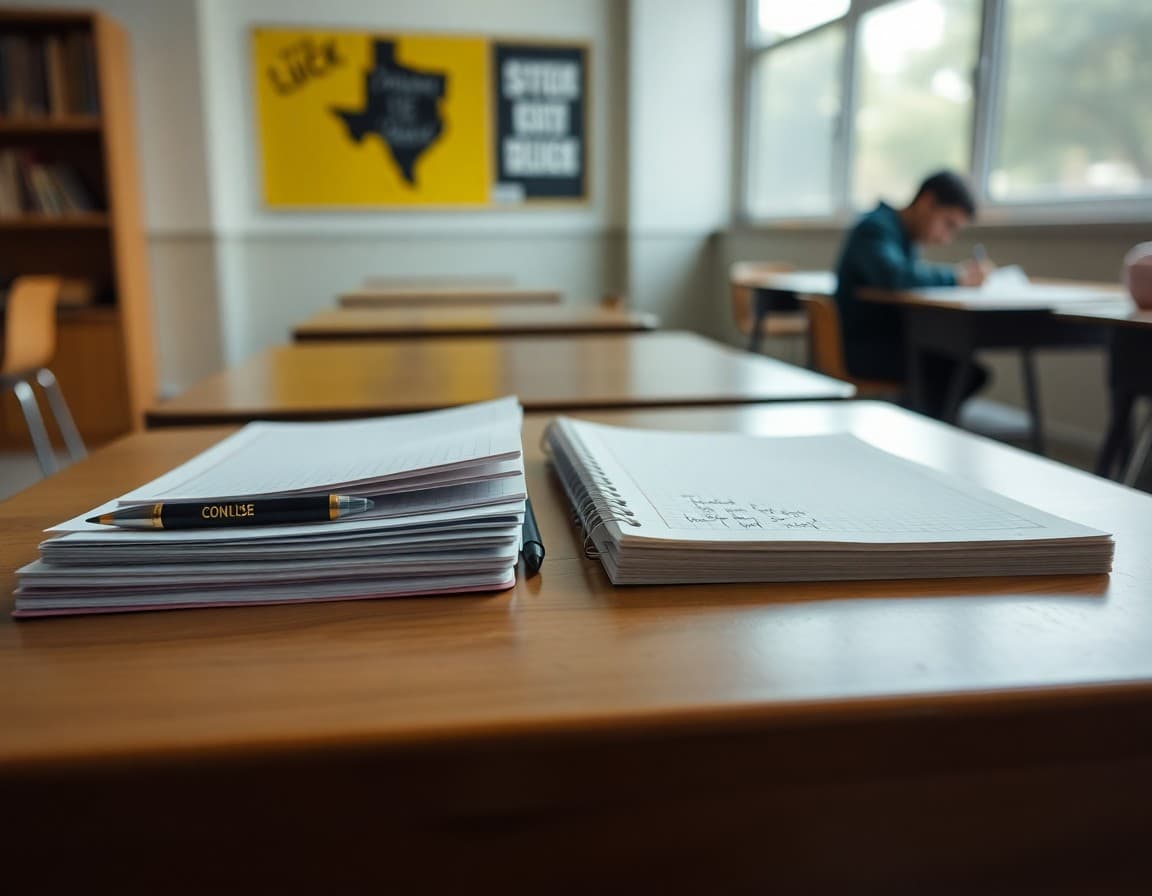
Note-taking is one of the academic skills that separates students who remember what they learned from students who feel like they reviewed but cannot recall anything. Most middle school students have never been explicitly taught how to take notes. When teachers introduce a specific method and communicate it to families, parents can ask about it, encourage it, and recognize when their student is practicing it.
Why Note-Taking Is a Skill, Not a Habit
Many students take notes in middle school the same way they did in elementary school: they write down whatever the teacher writes on the board and call it done. This approach does not work once content becomes complex, because the most important ideas are often spoken, not written. Teaching students to listen for key ideas and record them selectively is a genuine cognitive skill that requires instruction.
The Method We Use
Describe the specific note-taking method being introduced in class. If it is Cornell Notes, explain the two-column format and the summary section. If it is outline format, describe how students learn to identify main ideas versus supporting details. Families who understand the method can recognize it in their student's notebook.
What Good Notes Look Like
Include a brief description of what effective notes include: main ideas captured in the student's own words, key vocabulary defined, questions noted where something was unclear, and a brief summary at the end. This gives families a picture they can compare to what they see in their student's notebook.
How Families Can Reinforce the Skill
Ask your student to show you their class notes. Ask what the main idea was from today's lesson and whether their notes reflect it. If notes are incomplete or difficult to read, help them identify one specific thing to improve tomorrow. Normalizing note review at home makes students more accountable to their notes at school.
Digital Versus Paper Notes
Describe the school's approach to note-taking medium. Some schools allow or require digital notes; others use paper only. If both are permitted, explain the trade-offs: paper notes tend to produce better retention for most students because the physical act of writing involves deeper processing. Digital notes are faster but often produce lower-quality recall unless students are disciplined about the format.
Notes as a Study Tool
One of the most important things students do not understand about notes is that they are not just a record of what happened in class. They are a study tool. Effective studying uses notes to quiz yourself, to identify what you do not understand, and to build summaries before a test. Helping students understand this purpose changes how they take notes.
How We Will Assess Note Quality
Describe how you will give students feedback on their note-taking. Notebook checks, note-taking rubrics, or specific class activities that require using notes all give students accountability and feedback. Families who know that notes are being checked are more likely to ask about them at home.
Get one newsletter idea every week.
Free. For teachers. No spam.
Frequently asked questions
Why do middle school students need to be explicitly taught note-taking?
Note-taking is not an instinctive skill. Students who are not explicitly taught how to select, organize, and record important information often copy everything verbatim, nothing at all, or a random selection that does not reflect the most important content. Explicit instruction in a specific note-taking method dramatically improves retention and comprehension.
What note-taking methods are best for middle school students?
The Cornell Notes system is widely used in middle schools because it provides a structured format that works across subjects. Outline format works well for content with clear hierarchy. Concept mapping works well for topics with many interconnected ideas. The best method is the one the student will actually use consistently.
How can parents help with note-taking at home?
Ask your student to show you their notes from class. Review them together and ask questions about what the notes cover. If the notes are sparse or disorganized, help your student identify one specific improvement for the next day. The goal is not to edit their notes but to make note quality part of the home conversation.
At what grade level should note-taking be taught?
Explicit instruction in note-taking should begin in 5th or 6th grade, before the content demands of middle school make it critical. Students who arrive in 7th grade without a note-taking method are at a significant disadvantage as lectures and textbook content become more complex.
How does Daystage help teachers communicate study skills expectations to families?
Daystage lets teachers send a clear newsletter to families explaining the note-taking method being used in class and how families can support it at home, so the skill gets reinforced beyond the classroom.

Adi Ackerman
Author
Adi Ackerman is a former classroom teacher and curriculum writer with 8 years in K-8 schools. She writes about school communication, parent engagement, and what actually works in real classrooms.
More for Middle School
Introducing Cornell Notes in Middle School: A Newsletter for Families
Middle School · 6 min read
Middle School Organization Newsletter: What to Tell Parents About Binders, Planners, and Study Habits
Middle School · 6 min read
Middle School Newsletter: Helping Your Student Build Good Homework Habits
Middle School · 5 min read
Ready to send your first newsletter?
3 newsletters free. No credit card. First one ready in under 5 minutes.
Get started free