

Graphic Novel Unit Newsletter: Communicating the Value of Visual Storytelling to Families
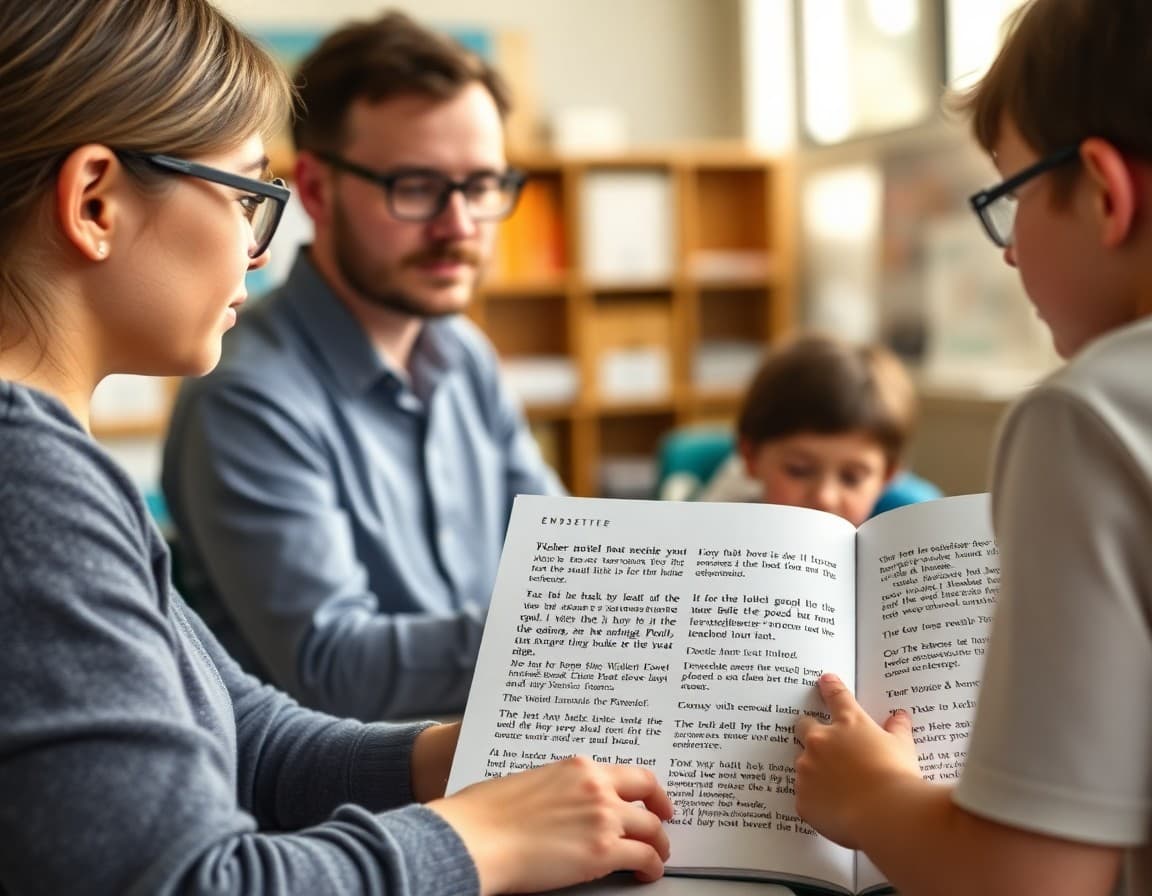
Graphic novel units in middle school ELA generate more family questions than almost any other unit choice. The medium still carries a cultural association with entertainment rather than education, and some families worry that a unit on comics is time that could be spent on “real” books. A newsletter sent before the unit begins, that addresses this directly and explains what students will actually be doing, converts skeptical families into supporters before the first page is assigned.
Why Graphic Novels Belong in a Serious ELA Classroom
Graphic novels make different cognitive demands than prose literature. A reader of prose follows a single narrative track: the author's words. A reader of a graphic novel follows two simultaneous tracks: the written text and the visual storytelling, plus the inferred meaning created by the relationship between them. What a character's face shows that their words do not say, what the color palette in a panel communicates about mood, what the choice of a close-up versus a wide shot means for pacing: these are analytical questions with no equivalent in prose. Students who master visual-textual analysis have a broader analytical toolkit than students who have read only prose.
Explaining the Assignment Clearly
Tell families exactly what students will do with the graphic novel, not just that they will read it. Will students annotate panels for narrative technique? Write about a character's development across the story? Compare the graphic novel to a prose text on the same topic? Create a response using graphic novel conventions to demonstrate comprehension? Specific descriptions of the work prevent families from imagining the assignment as casual leisure reading. A student who is annotating visual narrative techniques in a graphic novel is doing analytical work. The newsletter should communicate that clearly.
Addressing the Content Question Proactively
Many graphic novels taught in middle school deal with serious themes: war, discrimination, displacement, loss, identity. If your chosen text has difficult content, describe it specifically and explain why you chose it. “Maus addresses the Holocaust through the eyes of survivors. The content is serious and age-appropriate for seventh grade. We will read this alongside our social studies Holocaust unit so students can compare the narrative approaches of memoir, history, and visual storytelling.” A specific explanation like this is far more reassuring to families than a vague assurance that the content is appropriate. Include your procedure for families who want to discuss the content before it is assigned.
Visual Literacy as a 21st Century Skill
In a world where students spend enormous amounts of time consuming visual media, the ability to analyze and critically engage with images alongside text is not a supplementary skill. It is foundational. Students who understand how visual composition, color, and sequencing create meaning are better equipped to be critical consumers of the media they encounter constantly. Frame the graphic novel unit this way in the newsletter. You are not teaching a fun alternative to real reading. You are teaching students to read two codes simultaneously, which is harder and more valuable than most families initially recognize.
Extension Reading for Interested Students
One of the most valuable things a graphic novel unit does is introduce students to a medium they may not have explored independently. Include a short reading list in the newsletter for students who want to read more after the unit. Raina Telgemeier's Smile and Drama are beloved by middle schoolers reading for pleasure. Roller Girl by Victoria Jamieson is excellent for sports-focused readers. Through the Woods by Emily Carroll is beautifully crafted for students who enjoy literary fiction with atmospheric imagery. Sharing this list converts a single unit into a reading habit for the students who need an invitation into graphic novels as a pleasure reading format.
Assessment and How It Connects to ELA Standards
Families who worry about the academic legitimacy of graphic novel units feel more confident when they see specific standards connected to the assessment. “Students will demonstrate analysis of author's craft by writing a comparative essay that identifies three visual techniques the artist uses to develop theme, citing specific panels as evidence.” That assessment description uses standard academic language and makes it impossible to dismiss the assignment as casual reading. Include the assessment description and the standard or learning objective it addresses. Families who see that you are holding students to rigorous analytical expectations trust the unit choice even if the medium is unfamiliar.
Get one newsletter idea every week.
Free. For teachers. No spam.
Frequently asked questions
How do you explain the educational value of graphic novels to skeptical parents?
Be specific about the literary skills the unit develops. Graphic novels require students to read two simultaneous narrative tracks: text and image. Students must infer information not stated explicitly in either track but implied by the relationship between them. They practice analyzing visual composition, color, panel sequencing, and perspective as storytelling techniques. These are the same analytical skills applied to prose literature, with additional visual literacy dimensions. Name specific skills using the same vocabulary from your standards: inferencing, point of view, author's craft, theme. Families who see familiar academic vocabulary feel reassured.
What should a graphic novel unit newsletter include?
Include the title and author of the graphic novel and a brief description appropriate for middle school. Explain the reading assignments and timeline. Describe two or three specific skills students will practice during the unit and how those skills will be assessed. Address the common question families have before they ask it: yes, this counts as serious reading, and here is why. Include a list of companion graphic novels families can explore at home if their student becomes interested in the medium.
How do you handle parent concerns about content in specific graphic novels?
If the graphic novel deals with mature themes or difficult historical content, address this proactively in the newsletter before families encounter it through their student. Explain the content honestly, the literary purpose it serves, the supports you will provide for students who find it challenging, and the opt-out process if a family has a strong objection. Families who feel informed and respected in this process are far less likely to escalate concerns than families who feel surprised by content they were not warned about.
What are good graphic novels for a middle school ELA unit?
Frequently taught middle school graphic novels include Maus by Art Spiegelman for Holocaust study, March by John Lewis for civil rights history, Persepolis by Marjane Satrapi for memoir and global perspectives, Drama by Raina Telgemeier for realistic fiction, and Displacement by Kiku Hughes for historical fiction. Each brings different literary and visual elements worth teaching. The right choice for your unit depends on your learning objectives and your students' reading level and prior knowledge.
How does Daystage help teachers communicate complex unit information to families?
Daystage lets teachers include expandable sections in the newsletter for detailed unit information that interested families can read while keeping the main newsletter brief enough for families who want the summary. For units like a graphic novel study that generate questions, having the detailed rationale available with one click satisfies curious families without burdening those who already trust the teacher's professional judgment.

Adi Ackerman
Author
Adi Ackerman is a former classroom teacher and curriculum writer with 8 years in K-8 schools. She writes about school communication, parent engagement, and what actually works in real classrooms.
More for Middle School
Ready to send your first newsletter?
3 newsletters free. No credit card. First one ready in under 5 minutes.
Get started free