

Sixth Grade Newsletter Guide: Communication Strategies for the Transition Year
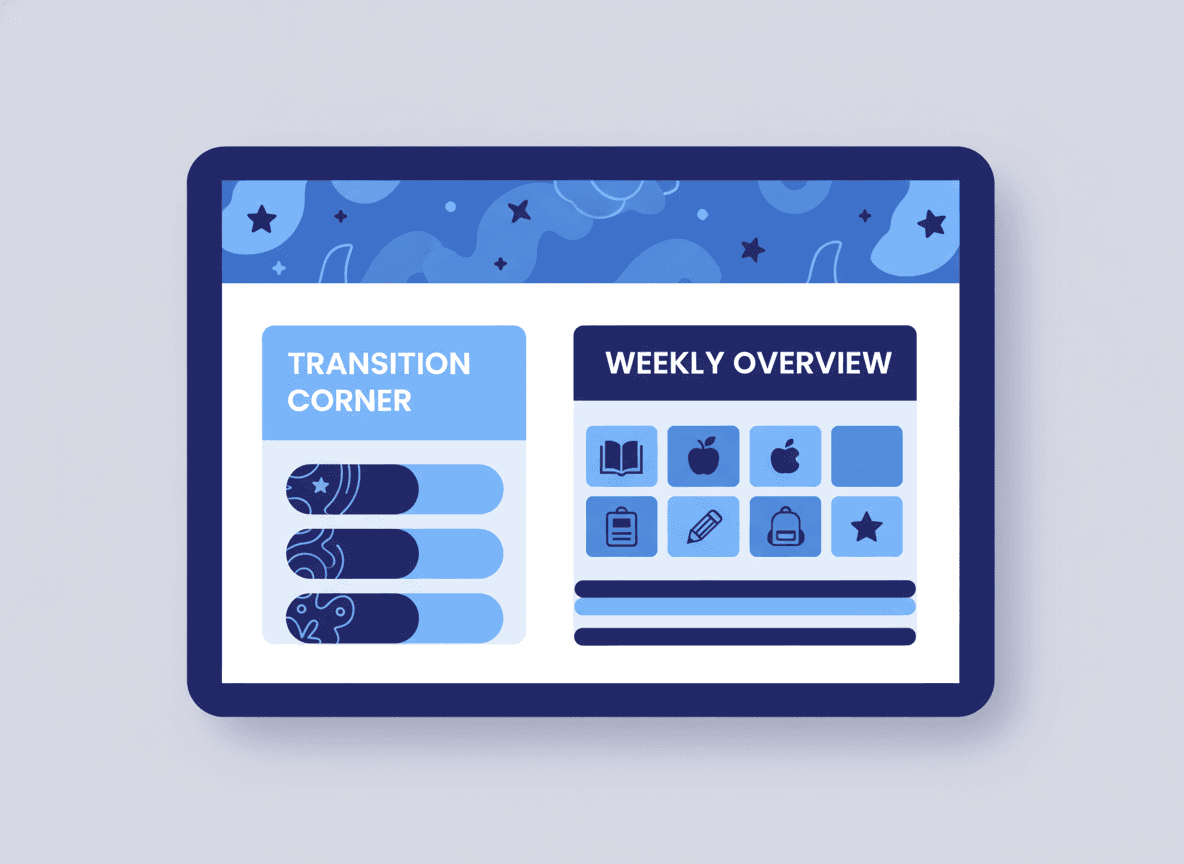
Sixth grade is the year everything changes. Students move from a single classroom to multiple teachers, from one trusted adult to a team. For families, the visibility they had in elementary school drops dramatically and fast.
A strong 6th grade newsletter strategy does not just fill the information gap. It actively supports families in navigating one of the most disorienting transitions in K-12 education. Here is how to build that strategy, one newsletter at a time.
What families of 6th graders most need from newsletters
Sixth grade families are experiencing their own transition alongside their child. For many, this is the first time they do not know the teacher's name at the end of the first week. It is the first time they cannot easily ask "what happened in class today?" because their child had six classes and cannot remember all of them.
Research on family communication preferences in the transition year shows that 6th grade families prioritize these four things:
- Knowing what their child is working on across subjects
- Being warned about upcoming deadlines with enough time to help
- Understanding how the new school system works
- Knowing who to contact when something goes wrong
A 6th grade newsletter that consistently delivers these four things will have higher open rates and better family engagement than a newsletter that covers more topics less directly.
The first 6th grade newsletter of the year
The first newsletter sets the tone for everything that follows. Send it one to two weeks before school starts. Include:
- Who you are and what subject you teach, written warmly and specifically
- A genuine description of what students will study this year, in plain language
- The first day schedule and logistics
- Your communication approach: when you send newsletters, how to reach you, typical response time
- A direct acknowledgment that 6th grade is a big transition and that you have seen students adjust successfully every year
That last point is more important than it sounds. Families of incoming 6th graders are anxious. A teacher who names that directly and says "this is normal, here is what to expect" provides enormous reassurance before the first day.
Consistent structure for 6th grade newsletters
The most effective 6th grade newsletters use a repeating structure that families come to recognize. A five-section format works well:
- What we are learning this week. Two to three sentences per subject if you teach one class, or focused on your subject if you are on a team. Specific enough to prompt a conversation, not so detailed it reads like a lesson plan.
- Upcoming deadlines. The next two weeks of assignments, tests, and projects. Formatted as a clean list, not buried in paragraph text. This is the most-checked section for 6th grade families.
- How families can help at home. One specific action: review these vocabulary words, make sure your student spent 20 minutes on the reading, help them organize their binder before Thursday. Sixth grade is where organizational habits are formed or not, and families who know what to reinforce at home make a measurable difference.
- A class highlight. Something specific and real from the week. Not "students worked hard." Something actual: the class had a great debate, a student asked a question that led the whole lesson somewhere unexpected, or the group project finally clicked.
- Contact information. Your email, preferred contact method, and response time. Every newsletter, every week. New 6th grade families need this often and should never have to search for it.
Addressing the organizational challenge of 6th grade
Sixth grade is where many students fall apart organizationally for the first time. They have more assignments across more classes than they have ever managed. Binders fill up and get lost. Deadlines get missed. Families do not always know there was a project due until after the grade is entered.
A newsletter that consistently includes upcoming deadlines in a clear format gives families the information they need to support their child without the student being the sole source of that information. At 11 and 12, students are developing the skills to track their own work, but they are not there yet. The newsletter is a scaffolding tool while those habits are being built.
Special topics for 6th grade newsletters during the year
A few newsletter topics are especially valuable in the 6th grade transition year:
In September or October: a newsletter on how middle school grading works, what the GPA means, and how to access grades online. Many families do not know how to find this information and are surprised when they first see a grade.
In November: a check-in newsletter on how students are adjusting socially and academically, with honest information about what teachers are seeing and what families can do if they have concerns.
In January: a second-semester reset newsletter that helps students and families recommit to organizational habits that may have slipped in the first semester.
Using Daystage for 6th grade newsletters
Daystage is used by 6th grade teachers who want their communication to look professional and be easy to read on a phone, where most parents will encounter it. The block editor makes it straightforward to build the five-section format and keep it consistent week over week without rebuilding the structure each time.
For teachers on a 6th grade team who want to coordinate a grade-level newsletter, Daystage makes it easy to manage a shared subscriber list and rotate the editing responsibility without losing the consistent format.
What a great 6th grade newsletter accomplishes
By December of a well-communicated 6th grade year, families know what to expect from middle school, have developed habits for supporting their student at home, and trust that their child's teachers will tell them what they need to know. That foundation makes the rest of middle school easier for everyone, including the teachers.
Get one newsletter idea every week.
Free. For teachers. No spam.
Frequently asked questions
When should 6th grade teachers start sending newsletters?
Send the first 6th grade newsletter one to two weeks before school starts. Families of incoming 6th graders are anxious and making quick judgments about whether this teacher is organized and will communicate clearly. A teacher who reaches out before the first day, acknowledges that 6th grade is a big transition, and explains their communication approach earns trust before any student sets foot in the building.
What should a sixth grade newsletter include?
The most effective 6th grade newsletters use five consistent sections: what students are learning this week, upcoming deadlines in a clear list format, one specific action families can take at home to help, a real class highlight from the week, and contact information every single issue. The deadline section and the at-home action section are the two that 6th grade parents check most consistently, because organizational habits are still being formed at 11 and 12.
How should 6th grade teachers handle the transition context in newsletters?
Address the transition directly and specifically. Sixth grade families are experiencing their own version of the shift alongside their child. Naming the organizational challenges of managing multiple teachers, explaining how to reach each one, and providing clear upcoming deadlines every week gives families the scaffolding they need while their child builds those habits independently. Avoid vague reassurance and give specific, actionable information instead.
What challenges do 6th grade teachers face with newsletter communication?
Sixth grade is where organizational habits form or fail, and the newsletter is one of the primary tools for helping families support that process. The challenge is that 6th graders are simultaneously developing independence and still needing scaffolding, which creates confusion about how involved parents should be. A newsletter that gives families clear, useful information without making them feel like micromanagers serves the developmental reality of the transition year.
Is there a tool designed to help 6th grade teachers send professional, consistent newsletters?
Daystage is built for exactly this kind of structured, week-over-week communication. The consistent template means 6th grade families know where to look for deadlines, homework expectations, and contact information every time they open a newsletter, which is the reliability that builds trust during a year when families are still figuring out how this new system works.

Adi Ackerman
Author
Adi Ackerman is a former classroom teacher and curriculum writer with 8 years in K-8 schools. She writes about school communication, parent engagement, and what actually works in real classrooms.
More for Middle School
Middle School Honor Roll Newsletter: Celebrating Academic Achievement
Middle School · 5 min read
Middle School Schedule Change Newsletter: Communicating Changes to Families Clearly
Middle School · 5 min read
Middle School Volunteer and Chaperone Recruitment Newsletter: Getting Families Involved
Middle School · 5 min read
Ready to send your first newsletter?
3 newsletters free. No credit card. First one ready in under 5 minutes.
Get started free