

6th Grade Behavior Newsletter to Parents: How to Communicate Clearly and Constructively
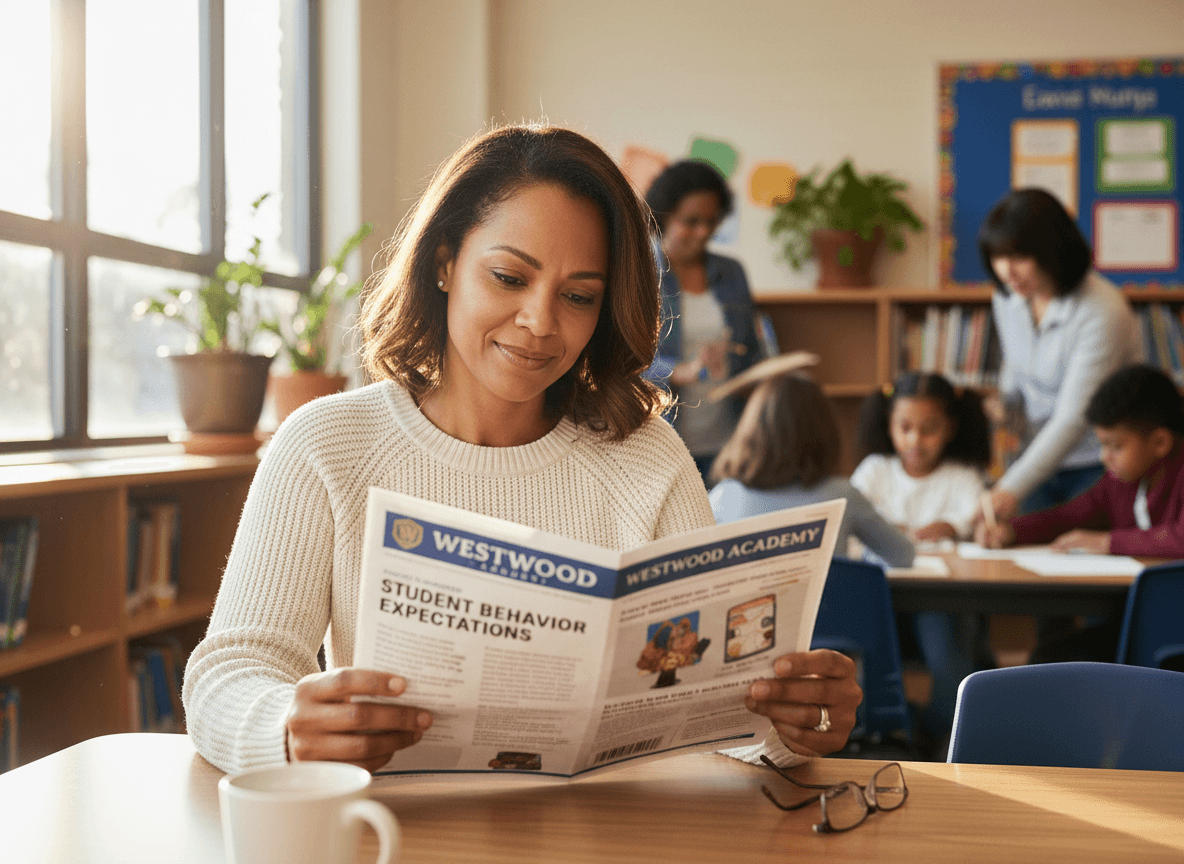
Sixth grade is a year of big changes. Students move from a single classroom with one teacher to a full schedule with rotating periods, lockers, and a new social landscape. For many kids, that adjustment brings out behavior you never saw in elementary school: testing limits, acting out for peer approval, shutting down when overwhelmed. As their teacher, you see it happen in real time. The challenge is communicating it to parents in a way that keeps everyone on the same team.
A well-written behavior newsletter does not just report problems. It builds context, explains what you are doing about it, and gives parents a clear picture of what to expect and how to help. Here is how to write one that actually works.
Start with the Transition, Not the Trouble
Before your first behavior update of the year, help parents understand why 6th grade looks different. Kids who were models of self-regulation in 5th grade sometimes struggle in September. That is not failure. It is adjustment.
Your newsletter should name this directly: the jump to middle school brings new freedoms and new expectations at the same time. Students are navigating more social complexity, managing multiple teachers with different styles, and figuring out who they are in a new building. Behavior issues often reflect that pressure, not a fundamental character problem.
When parents understand the developmental context, they are more likely to respond to a behavior update with curiosity instead of defensiveness.
Use Factual Language, Not Labels
The words you choose in a behavior newsletter matter more than teachers often realize. Words like "disruptive," "disrespectful," or "immature" put parents on the defensive immediately, because they hear those words as descriptions of their child's character.
Describe behavior instead. "Several students have been talking over instruction during direct teaching time" is a fact. "Some students are struggling with the phone policy during class" describes a challenge without assigning fault. Factual language gives parents something to work with instead of something to argue about.
This applies equally to positive updates. "Students have been handling peer conflicts more independently over the past two weeks" is specific and credible. "The class has been amazing" is vague and easy to ignore.
What to Say After a Discipline Incident
If a student received a consequence at school, parents should hear about it from you before they hear about it from their child. A newsletter is not the right vehicle for individual incidents (use a phone call or direct email for that), but your class newsletter can prepare the ground.
Consider including a short section that explains how your classroom handles minor rule violations: a verbal redirect first, then a private conversation, then a contact home. When parents already know your process, a discipline call feels like a follow-through on a system rather than an unexpected accusation.
For the actual incident communication, keep it factual and solution-focused. What happened, what the consequence was, and what you need from the parent going forward. Skip the emotional framing. Parents respond better to "here is what we are doing together" than to "here is what your child did wrong."
How to Handle the "My Child Would Never" Response
It happens. You share a behavior concern and a parent pushes back hard. The instinct to over-explain or prove yourself is understandable, but it usually makes things worse.
Your newsletter can prevent some of these responses by being specific from the start. The more details you include (what was said, when, who was present), the harder it is to dispute. You can also acknowledge in your newsletter that behavior genuinely looks different at home versus school for many 11 and 12 year olds. That framing takes the blame off both the parent and the child, and opens the door to genuine conversation.
If a parent still disputes what happened, stay calm, state the facts once more, and move forward to what you both want: the student to succeed.
Celebrating Behavior Progress Without the Cringe
Sixth graders are acutely aware of being watched. Naming a student in a newsletter for good behavior can actually backfire, triggering teasing from peers or awkwardness at home. Celebrate at the class level instead.
"Our morning transitions have gotten faster and quieter" or "students are doing a great job remembering to put phones away at the door" gives parents a positive signal without putting any single student in the spotlight. It also reinforces that behavior expectations are a shared community norm, not just a rule imposed on individuals.
What to Include in Every Behavior Newsletter Section
You do not need a separate newsletter just for behavior. A behavior update section within your regular classroom newsletter works just as well and often gets more attention because parents are already reading for other updates. Include:
- A brief note on how the class is adjusting to the current point in the year
- One or two specific behaviors you are working on as a class
- What you are doing in class to address it
- One concrete thing parents can do at home (ask about it, reinforce it, not ignore it)
- A specific positive trend you have noticed
That structure gives parents something actionable without overwhelming them with information.
Timing and Frequency
The first behavior-focused update should go out around weeks four to six of school, once you have seen enough patterns to say something meaningful. After that, fold behavior updates into your regular newsletter rhythm. Monthly is enough for most classes. More frequent than that and parents start to feel like something is always wrong.
If your school has a formal behavior system (PBIS, restorative practices, a merit/demerit system), reference it in your newsletter. Parents who understand the system trust it more. A quick explanation of how points work or what a restorative conversation looks like goes a long way toward building confidence in how you handle problems.
Keep the Door Open
End your behavior newsletter section with a clear invitation. Not a generic "reach out if you have questions" but something specific: "If you are seeing behavior at home that seems connected to what I described, I would love to hear about it. Email me or reply to this newsletter and we can find a time to talk."
Parents of 6th graders often feel like they have lost access to their child's school life. Giving them a direct, low-pressure way to connect with you makes them feel like partners instead of observers. That relationship pays off every time you need to have a harder conversation later in the year.
Get one newsletter idea every week.
Free. For teachers. No spam.
Frequently asked questions
When should a 6th grade teacher send a behavior newsletter to parents?
Send one at the start of the year to set expectations, then follow up around the 4-6 week mark when patterns become clear. After that, a monthly or bimonthly update keeps parents informed without overwhelming them. If a specific incident occurs, a separate individual communication is more appropriate than a newsletter.
How do you communicate behavior concerns without making parents defensive?
Lead with what the student is doing well, then describe the specific behavior clearly and factually without labeling the child. Avoid phrases like 'disruptive' or 'defiant' and instead say 'called out during instruction three times today.' Factual language reduces the chance parents feel attacked and makes it easier to problem-solve together.
What should you do when a parent says 'my child would never do that'?
Stay calm and factual. Share specific details: what happened, when, and who witnessed it. Avoid getting into an argument about whether it happened. Acknowledge that behavior can look different at home and at school, which is genuinely true for many 6th graders. Invite the parent to discuss next steps rather than relitigating the incident.
How do you celebrate behavior improvement in a newsletter without embarrassing students?
Keep positive highlights general rather than naming individual students. Phrases like 'our class has gotten much better at transitioning between activities' or 'we've seen real growth in how students handle disagreements' celebrate progress without putting a spotlight on any one kid. Students at this age are sensitive about being called out, even positively, in front of peers or at home.
What newsletter tool works best for communicating behavior updates to 6th grade parents?
Daystage is built specifically for teachers and makes it easy to send polished, professional newsletters without needing any design skills. You can write your behavior update, add your classroom photo, and send it directly to parent emails in a few minutes. The templates are clean and mobile-friendly, which matters because most parents read school newsletters on their phones.

Adi Ackerman
Author
Adi Ackerman is a former classroom teacher and curriculum writer with 8 years in K-8 schools. She writes about school communication, parent engagement, and what actually works in real classrooms.
More for Middle School
Sixth Grade Newsletter Template: Welcoming Families to Middle School
Middle School · 7 min read
6th Grade Classroom Newsletter Ideas: What to Send First-Year Middle School Parents All Year
Middle School · 7 min read
Sixth Grade Parent Communication Guide: What Families Need All Year Long
Middle School · 7 min read
Ready to send your first newsletter?
3 newsletters free. No credit card. First one ready in under 5 minutes.
Get started free