

Middle School Testing Season Newsletter: What to Tell Families Before State Tests
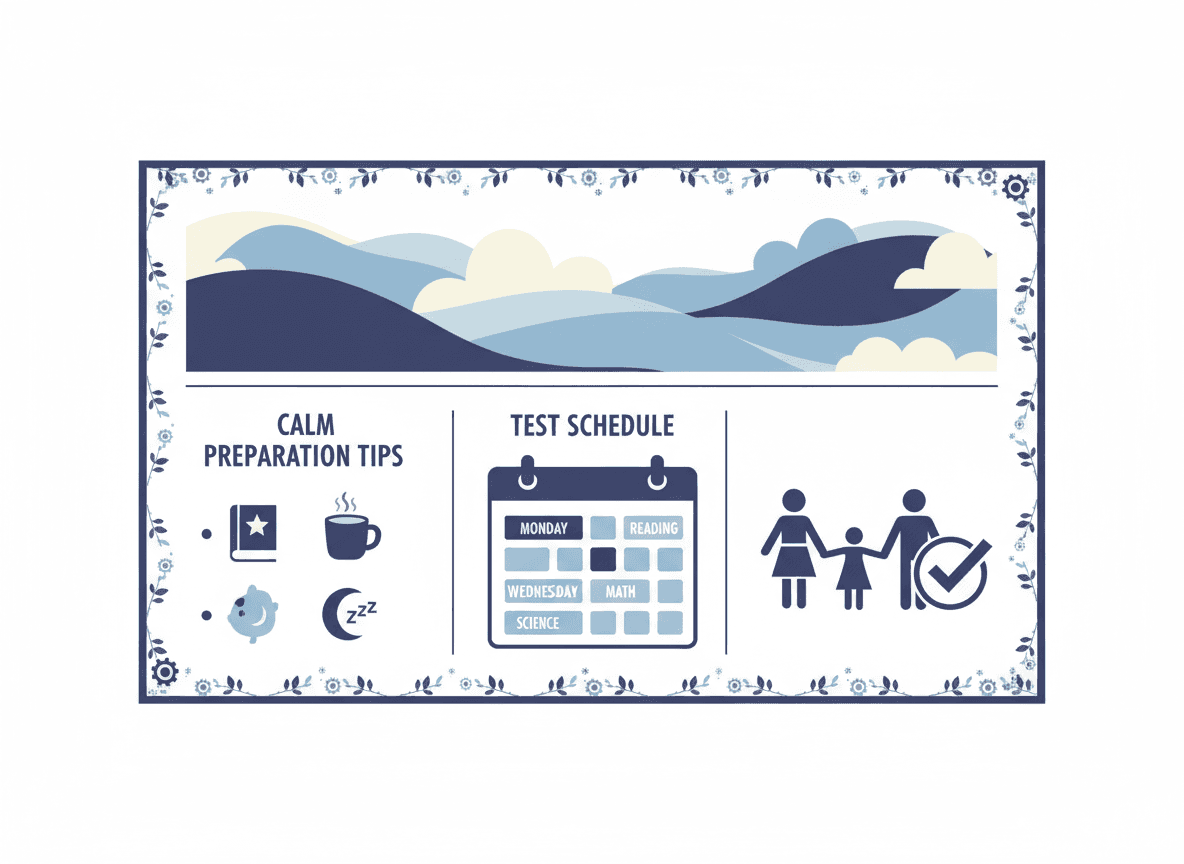
Testing season is one of the most anxious times of the school year for both students and families. Middle schoolers, especially those taking state assessments for the first time, are dealing with a new kind of pressure. And families are getting a lot of official communication about tests without much practical guidance on what to actually do at home.
A well-crafted testing season newsletter gives families something useful: clear information, practical support strategies, and a calm tone that counters the anxiety spiral that testing season can create.
Send the first testing newsletter two to three weeks out
Do not wait until the week before testing to communicate with families. By then, students are already anxious and parents are already feeling underprepared. Send a testing season newsletter two to three weeks before the first test date. Then send a short reminder the week before.
The earlier newsletter gives families time to adjust sleep schedules, set up better homework conditions, and have calm, non-urgent conversations with their child about what to expect. The reminder newsletter keeps the key logistics fresh without adding new information at a high-stress moment.
What to include in the pre-testing newsletter
The testing season newsletter for middle school families should cover four areas:
- The specific testing schedule. Dates, times, and which subject each day. Do not assume families have read the school-wide calendar. Put the schedule directly in the newsletter in a clear, easy-to-scan format.
- Logistics families need to know. Does the test affect dismissal time? Are there restrictions on what students can bring to class on testing days? Are phones collected? What happens if a student is absent on a testing day? Answer the questions families will ask.
- Practical home support strategies. This is the section parents use most. Give specific, actionable advice: consistent bedtime in the two weeks before testing, a good breakfast on test days, keeping evening routines calm during testing week, avoiding over-reviewing the night before. Not generic advice. Specific things they can do.
- What the test does and does not mean. Many middle school families have anxiety about what test scores mean for their child's future. A clear, honest explanation of how state tests are used, what they measure, and what they do not determine goes a long way toward reducing that anxiety.
Tone matters enormously during testing season
The tone of testing season communication sets the emotional temperature in homes before students sit down to test. A newsletter that conveys urgency and high stakes raises anxiety. A newsletter that is calm, practical, and confident lowers it.
Write from the assumption that students are prepared and that families can support them effectively with the right information. Avoid language that implies the tests are catastrophically important or that families need to be worried. Avoid telling families to quiz their child intensively or to rearrange their entire schedule around testing.
The research on test performance consistently shows that sleep, nutrition, and low anxiety outperform last-minute cramming. Your newsletter can say that clearly and give families permission to prioritize those things over frantic review sessions.
What to skip in a testing season newsletter
Do not include long explanations of the testing format or detailed score reports in the pre-test newsletter. Families do not need to understand every component of the assessment before the test. Save that for after results are released.
Do not over-explain what will happen if students do not test well. This information is either irrelevant at this point or adds anxiety without benefit.
Do not assign families homework. Giving parents a list of ten things to do to help their child prepare creates guilt and pressure. Give them three clear, low-effort actions and leave it there.
After testing: the follow-up newsletter
Send a short newsletter the week after testing ends. Acknowledge that students worked hard. Share what comes next in terms of when results might be available. Return the class to normal rhythm and give families a sense that the intense period is over.
This follow-up newsletter is often skipped, but it is worth sending. Families appreciate the closure, and it gives you an opportunity to set expectations for the rest of the year before families start wondering what happens next.
Using Daystage for testing season communication
Testing season newsletters benefit from a clean, clear format. Daystage's block editor makes it straightforward to put the testing schedule in a scannable event block, list your three home support tips in a clean bullet format, and send to your full parent list without formatting headaches.
If you are coordinating a grade-level or school-wide testing newsletter, Daystage handles subscriber lists for each grade or section separately, so the right communication reaches the right families without manually managing multiple email lists.
The newsletter is the calm in the storm
Testing season creates a lot of noise: automated reminders, district announcements, and social media conversations among parents that often amplify anxiety more than they reduce it. A grounded, practical newsletter from the classroom teacher cuts through that noise.
Families trust their child's teacher. A newsletter that comes from a real person, with specific and useful information, matters more than a district-wide blast. Use that trust to set a tone that helps families help their kids.
Get one newsletter idea every week.
Free. For teachers. No spam.
Frequently asked questions
When should middle school teachers send testing season newsletters?
Send the first testing newsletter two to three weeks before the first test date, not the week before when students are already anxious and families already feel underprepared. Follow up with a short reminder the week before testing. After tests end, send a brief follow-up that acknowledges students worked hard, explains when results will be available, and signals that the intense period is over.
What should a middle school testing season newsletter include?
Cover four areas: the specific testing schedule in a clear, easy-to-scan format, logistics families need to know like dismissal time changes and what students can bring, practical home support strategies like consistent bedtimes and calm evening routines during testing week, and an honest explanation of what state test scores do and do not mean for their child's future. Families of middle schoolers often carry more anxiety about test implications than the tests warrant.
How should middle school teachers communicate about standardized testing without raising anxiety?
Write from the assumption that students are prepared and that families can support them effectively with the right information. Research on test performance consistently shows that sleep, nutrition, and low anxiety outperform last-minute cramming. Your newsletter can say that directly and give families permission to prioritize those things over frantic review sessions, which is genuinely useful guidance for parents of tweens and teens.
What challenges do middle school teachers face with testing season communication?
The tone of testing communication sets the emotional temperature in homes before students sit down to test. Newsletters that convey urgency or high stakes raise anxiety. Another common mistake is assigning families homework by giving them a list of ten preparation activities. That creates guilt and pressure rather than calm support. For 6th graders, standardized testing at the middle school level is often a new experience and the logistics alone require more explanation than teachers typically provide.
Is there a tool that helps middle school teachers structure clear testing season newsletters?
Daystage makes it easy to format the testing schedule as a scannable event block rather than buried in paragraph text, which is how families actually want to consume that information when they are coordinating work schedules and morning routines around specific test dates.

Adi Ackerman
Author
Adi Ackerman is a former classroom teacher and curriculum writer with 8 years in K-8 schools. She writes about school communication, parent engagement, and what actually works in real classrooms.
More for Middle School
Middle School Elective Newsletter: How Elective Teachers Can Communicate With Families
Middle School · 6 min read
Middle School New Teacher Introduction Newsletter: Welcoming Families to Your Classroom
Middle School · 5 min read
Middle School Sports and Athletics Newsletter: Keeping Families in the Loop
Middle School · 6 min read
Ready to send your first newsletter?
3 newsletters free. No credit card. First one ready in under 5 minutes.
Get started free