
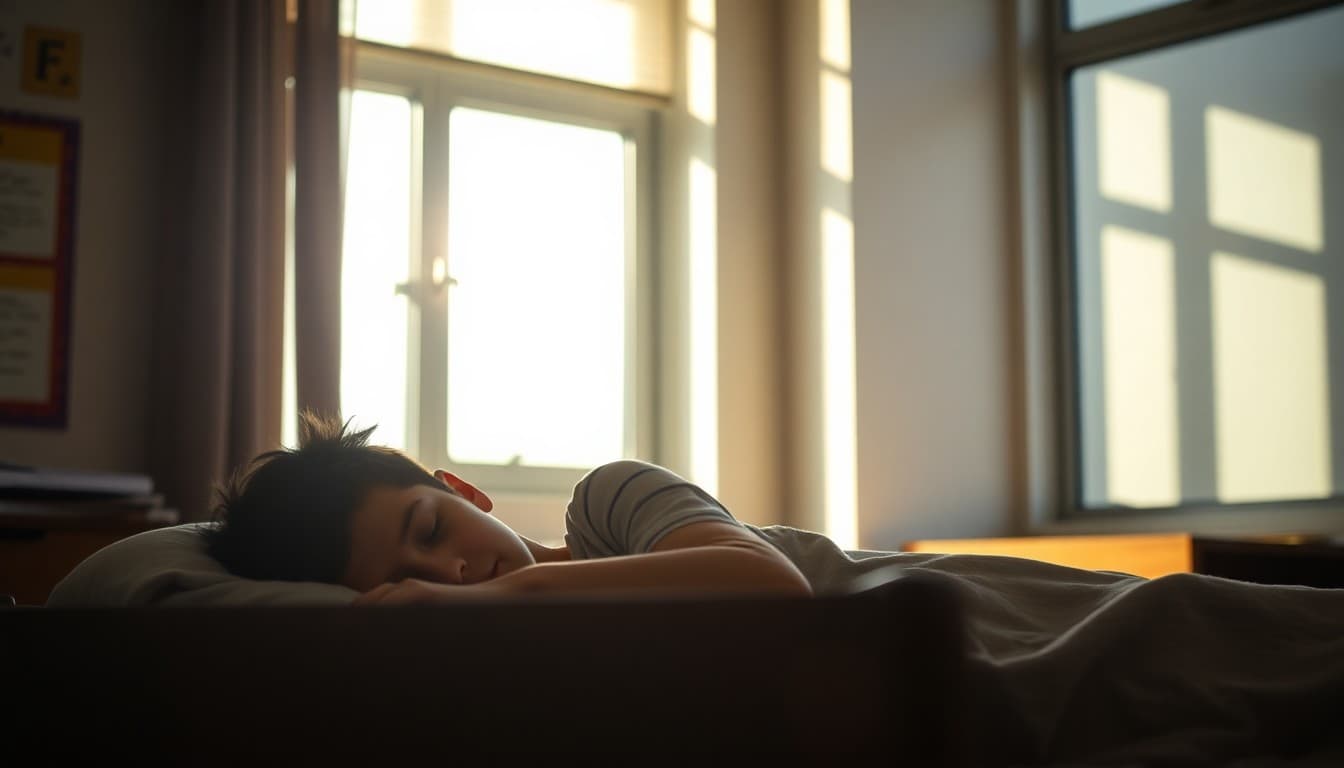
Middle School Newsletter: Why Sleep Matters and How Families Can Help
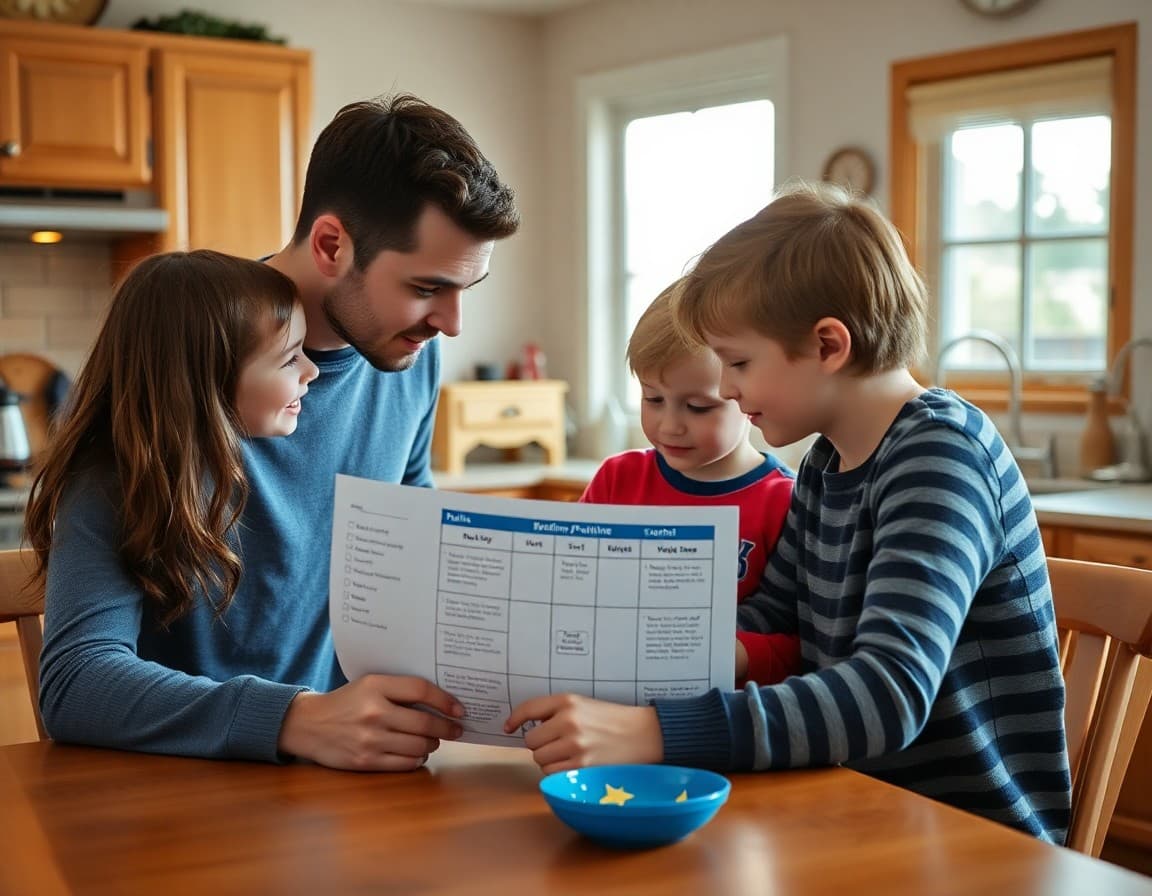
Sleep is the most undervalued factor in middle school academic performance. Most students in grades 6 through 8 are getting far less sleep than their developing brains require, and the effects show up in grades, emotional regulation, attendance, and social functioning. A newsletter that explains the science and gives families actionable strategies is one of the highest-leverage communications a school can send.
What the Research Says
Adolescents need between 9 and 10 hours of sleep per night. The average American middle schooler gets roughly 7 to 8 hours. That gap is not trivial. Sleep is when the brain consolidates learning, repairs the body, and regulates the emotional systems that manage anxiety, impulse control, and social behavior. A student who learns something in class but does not sleep adequately that night retains less of what they learned.
The Circadian Shift in Adolescence
Middle school is when a biological shift in circadian rhythms begins. The brain's internal clock shifts to a later schedule during adolescence, making it genuinely harder to fall asleep before 10 or 11 p.m. This is not a choice or a defiance issue. It is a developmental change. It explains why early school start times are associated with worse outcomes for adolescents and why adolescent sleep problems are nearly universal.
Devices in Bedrooms: The Biggest Culprit
More than any other single factor, devices in bedrooms are associated with adolescent sleep deprivation. The light exposure delays melatonin onset. The notification sounds interrupt sleep cycles. The social pressure to respond keeps students awake. Establishing a household norm of charging devices outside the bedroom at night is the highest-leverage sleep intervention available to families.
Building a Consistent Wind-Down Routine
A predictable sequence of activities before bed helps signal to the brain that sleep is coming. Reading, a brief shower, low-stimulation conversation, and dimmed lights in the 30 to 60 minutes before bedtime measurably improve sleep onset. Contrast this with high-stimulation screen use immediately before bed, which delays sleep onset even when devices are put away.
Consistent Wake Times Anchor the Schedule
The most effective sleep schedule management tool is a consistent wake time, even on weekends. Students who sleep until noon on Saturday and Sunday shift their internal clock and make Monday morning harder. A wake time within an hour of the school week wake time on weekends significantly reduces the Monday adjustment period.
What Signs of Sleep Deprivation Look Like
Teachers and parents often misread sleep deprivation as attitude problems. A student who is irritable, inattentive, emotionally reactive, or frequently making careless mistakes may simply be exhausted. If your student exhibits these patterns consistently during the school week but improves on weekends, sleep is worth investigating.
How to Start the Conversation
Most middle schoolers are not resistant to sleep information itself; they are resistant to being told what to do. Framing the conversation around how sleep affects things your student cares about, like athletic performance, social sharpness, or staying awake in the classes they like, is more effective than a lecture about health. Help them connect the dots between how they feel and how they slept.
Get one newsletter idea every week.
Free. For teachers. No spam.
Frequently asked questions
How many hours of sleep does a middle schooler need?
The American Academy of Sleep Medicine recommends 9 to 11 hours of sleep per night for children ages 6 to 12 and 8 to 10 hours for teenagers ages 13 to 18. Most middle schoolers fall in the gap between these categories and need between 9 and 10 hours. Research consistently shows that students who get adequate sleep perform better academically, have better emotional regulation, and are less likely to be chronically absent.
Why do middle schoolers resist bedtime?
Two things happen in adolescence: a biological shift in circadian rhythms that makes it harder to fall asleep before 11 p.m., and an increase in social activity that makes bedtime feel like missing out. The biology is real and parents should know that some evening alertness is not simply defiance. At the same time, the social pull toward late nights is a habit pattern that can be adjusted with consistent household routines.
What is the single most effective thing a family can do to improve their student's sleep?
Remove devices from the bedroom at night. The research on this intervention is clear and consistent. A charging station outside the bedroom eliminates both the light exposure and the social anxiety that disrupts sleep. Screens in bedrooms at night are the most common and most addressable cause of adolescent sleep deprivation.
What happens to middle school students who are consistently sleep-deprived?
Sleep deprivation at the middle school level is associated with lower grades, higher rates of chronic absenteeism, increased emotional reactivity, impaired memory consolidation, and higher rates of anxiety and depression. Many students who appear disengaged, irritable, or academically struggling in middle school are simply chronically under-rested.
How does Daystage help schools communicate about student wellness?
Daystage lets school counselors and health staff send targeted newsletters to families about sleep, nutrition, and mental wellness, with practical strategies families can use immediately and links to school resources for students who need additional support.

Adi Ackerman
Author
Adi Ackerman is a former classroom teacher and curriculum writer with 8 years in K-8 schools. She writes about school communication, parent engagement, and what actually works in real classrooms.
More for Middle School
Middle School Newsletter: A Family Guide to Screen Time in the Middle School Years
Middle School · 6 min read
Middle School Newsletter: Building a Morning Routine That Works
Middle School · 5 min read
Middle School Advisory Newsletter: Communicating What Homeroom and Advisory Does for Students
Middle School · 5 min read
Ready to send your first newsletter?
3 newsletters free. No credit card. First one ready in under 5 minutes.
Get started free