

Middle School Newsletter: How Parents Can Support Reading at Home
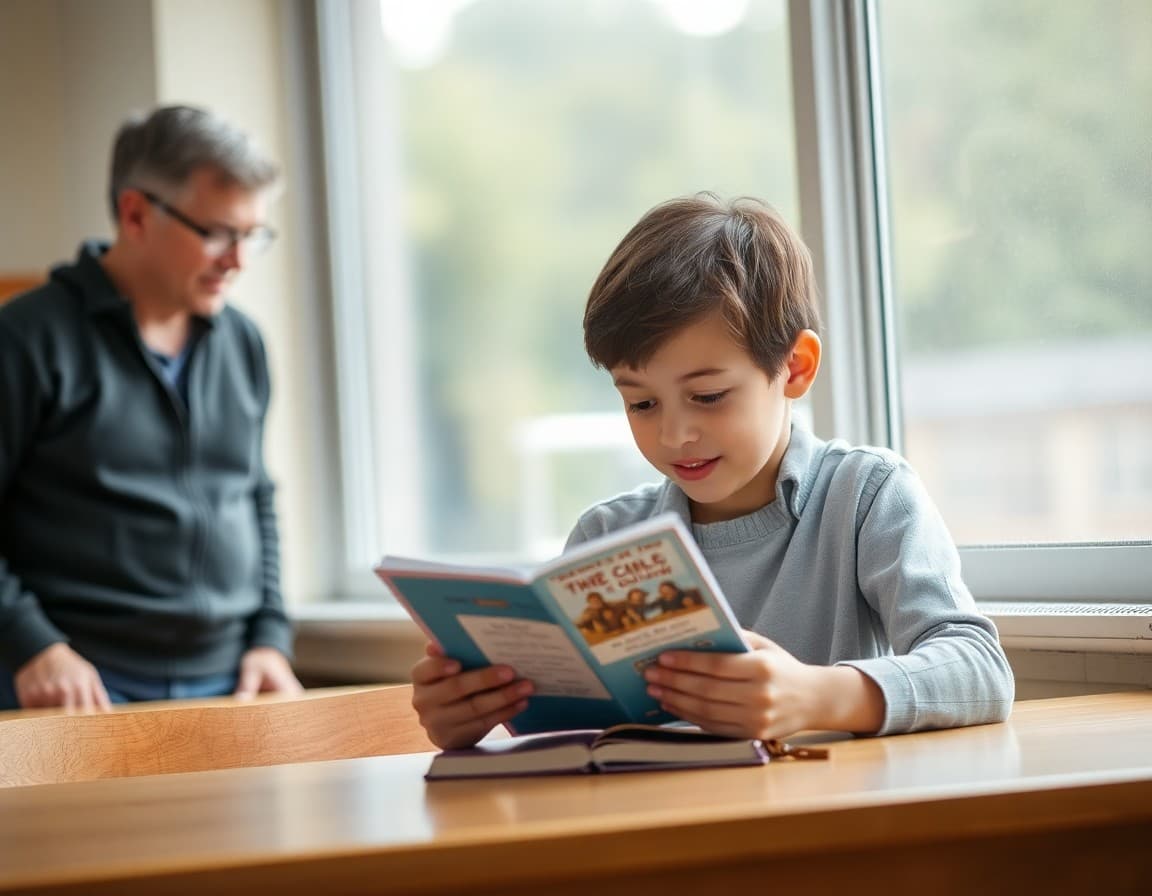
Reading ability at the middle school level predicts academic performance across every subject, not just English class. Students who read well think more clearly, write more effectively, and comprehend complex texts in science, social studies, and math. Parents who stay involved in their student's reading life, even indirectly, give their children a significant advantage. The newsletter is the right tool for making that connection practical.
Why Reading Still Matters in Middle School
Many parents assume that once a child is reading independently, their job is done. Middle school reading is different from elementary reading. Students are now expected to analyze, synthesize, and evaluate texts across multiple subject areas. Vocabulary demands spike dramatically in grades 6 through 8. Students who read widely have far stronger vocabularies and comprehension skills than those who only read assigned texts.
Encouraging Without Nagging
The most common mistake parents make is turning reading into a battle. If your student resists, focus on removing friction rather than increasing pressure. Have books physically available in places they are likely to be bored: the bathroom, the car, the kitchen table. Let them choose their own books even if your taste differs. Choice is the single biggest predictor of reading engagement.
Audiobooks and Other Formats Count
For reluctant readers, audiobooks are a legitimate bridge. Listening to well-produced audiobooks builds the same vocabulary and comprehension skills as print reading. Graphic novels count too. Research shows that graphic novel readers are no less literate than prose readers and often develop stronger visual literacy skills.
Making Time for Reading
Protect time for reading the same way you protect time for homework. A household where screens go off 30 minutes before bed and everyone reads, including adults, is more effective than a household where reading is assigned but everything else competes for attention. Model the behavior you want to see.
Talking About Books Without Testing
The difference between a conversation and a quiz is whether the adult is genuinely curious. Ask your student what is happening in what they are reading, what they think about the characters, or what they would do in the main character's situation. Authentic curiosity invites conversation. Comprehension questions shut it down.
When to Be Concerned About Reading Struggles
If your student struggles significantly with grade-level texts, resists reading all formats, or mentions that words blur or letters move, contact the school. Reading difficulties at the middle school level are often undiagnosed, and schools have resources to evaluate and support students who are struggling. Early identification matters.
A Note on the Reading We Assign
Close with a brief description of the texts students are reading in class and why. When parents understand the purpose behind assigned reading, they are better positioned to support the work at home rather than treating it as arbitrary homework.
Get one newsletter idea every week.
Free. For teachers. No spam.
Frequently asked questions
How can parents support reading at the middle school level?
The most effective thing parents can do is make space for reading to happen without forcing it. Keep books in visible places. Talk about what you are reading yourself. Ask your student about books they have read in the past that they liked and help them find more by the same author or in the same genre. Resist the urge to turn reading into a performance by asking comprehension questions after every chapter.
What if my middle schooler refuses to read for pleasure?
Do not panic. Many middle schoolers go through a period of resistance to reading for pleasure as they assert independence. Audiobooks, graphic novels, and magazines are legitimate reading and count. If your student will listen to a podcast about a topic they love, they are engaging with text in audio form, which builds the same comprehension and vocabulary skills.
How much should a middle school student read each day?
Most reading specialists recommend 20 to 30 minutes of independent reading daily at the middle school level. This can include assigned school reading or independent choice reading. The goal is consistency rather than volume. A student who reads 20 minutes every night builds far more literacy skill than one who crams an hour on weekends.
What kinds of books are appropriate for middle schoolers?
Middle grade and young adult fiction, nonfiction about topics the student is genuinely interested in, and longer-form journalism are all appropriate. Ask your student's English teacher or school librarian for recommendations matched to reading level and interest. Librarians at public libraries are also an excellent free resource.
How does Daystage help teachers share reading strategies with families?
Daystage lets middle school English teachers and advisors send a clean, readable newsletter with specific reading strategies and book recommendations to all families at once, with tracking to see which families are engaging with the content.

Adi Ackerman
Author
Adi Ackerman is a former classroom teacher and curriculum writer with 8 years in K-8 schools. She writes about school communication, parent engagement, and what actually works in real classrooms.
More for Middle School
Middle School Advisory Newsletter: Communicating What Homeroom and Advisory Does for Students
Middle School · 5 min read
Middle School Organization Newsletter: What to Tell Parents About Binders, Planners, and Study Habits
Middle School · 6 min read
Middle School Newsletter: Helping Your Student Build Good Homework Habits
Middle School · 5 min read
Ready to send your first newsletter?
3 newsletters free. No credit card. First one ready in under 5 minutes.
Get started free