

Middle School Newsletter: Building an After-School Routine That Sets Students Up to Succeed
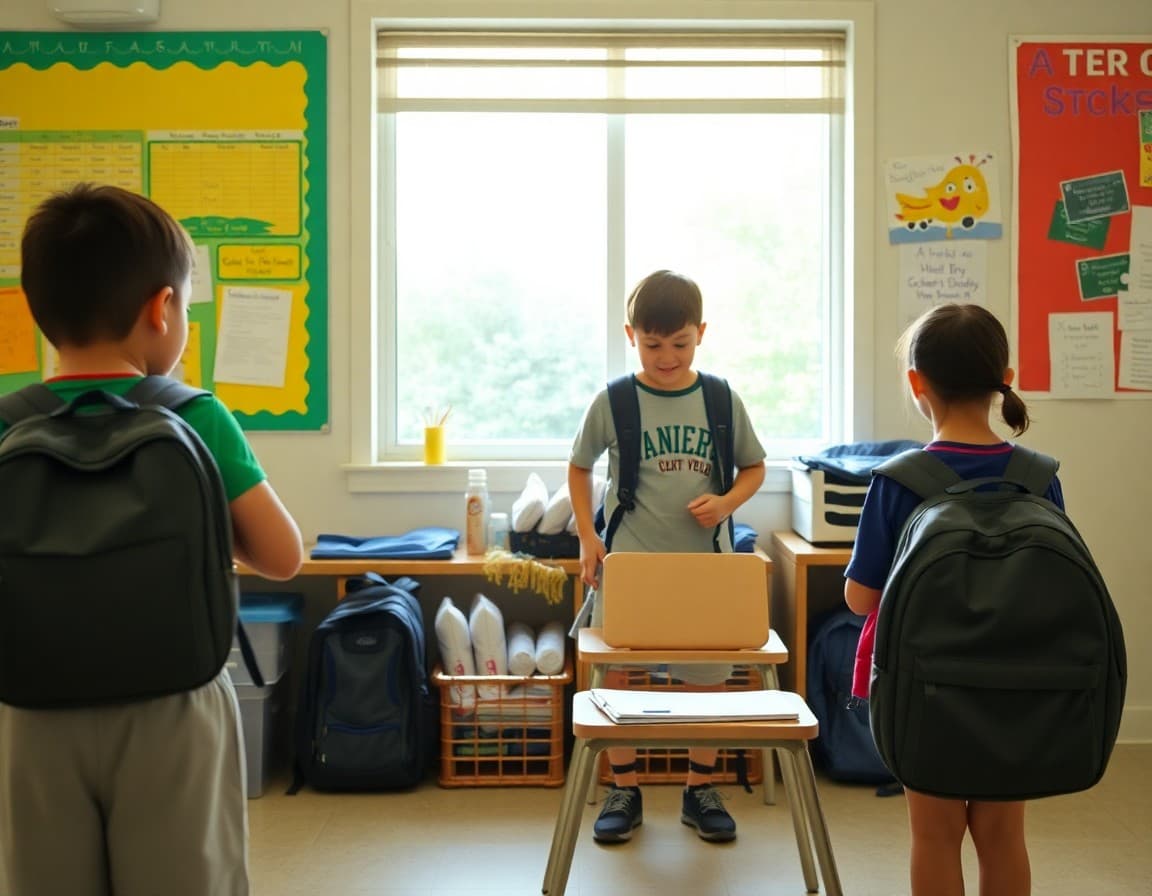
The hours between school dismissal and bedtime are where middle school students either build the habits that will sustain them through high school or develop patterns of avoidance that become harder to break each year. Families who establish a consistent after-school structure create the conditions for learning to continue, for stress to recover, and for evenings to be something other than a homework battle.
The Transition Period Matters
Most middle schoolers need some form of decompression after school before they can effectively engage with academic work. This might look like 20 minutes of unstructured activity, a snack, or quiet time. Respecting this transition rather than immediately demanding homework produces better homework performance than jumping straight from dismissal to desk.
Homework Window Versus Homework Whenever
A household that treats homework as something that happens whenever versus a household that has a specific homework window differs significantly in how much homework actually gets done. The consistent window removes the daily negotiation and builds a habit. By the time students reach high school, having an internal sense of when homework happens is one of the skills that separates organized students from struggling ones.
Physical Activity and the Brain
Physical activity in the afternoon is associated with better academic performance, improved mood, and better sleep. Middle schoolers who have an active after-school period, whether through sports, a walk, or free play outside, return to homework with better focus than students who transition directly from school to sitting. This is not a luxury; it is a neurological reality.
Limiting Screen Time Before Homework Is Done
For many students, the after-school screen habit is the biggest obstacle to homework completion. A household rule that screens wait until homework is finished removes the most common source of procrastination. Students who know the rule is consistent spend less energy negotiating it and more energy completing their work.
Check-In Without Hovering
Ask your student what they are working on and what they need help with at the start of the homework window. A two-minute check-in communicates availability and interest without taking over. Most middle schoolers will say everything is fine. What you are really doing is establishing that you are present and that you will ask, which is often enough to keep homework happening.
Managing the Variable Day
Not every after-school afternoon looks the same. Some days have activities, some have events, some have hard days that require more decompression than usual. Build flexibility into the routine by having a consistent end goal, homework done and a reasonable bedtime achieved, rather than a rigid minute-by-minute schedule that breaks down on unpredictable days.
When to Contact the School About After-School Patterns
If your student consistently arrives home unable to articulate what homework is due, frequently avoids all after-school engagement, or uses after-school time to engage in behavior you are concerned about, contact the school. The advisory teacher or counselor can provide context about what is happening during the school day and may be seeing patterns you cannot observe at home.
Get one newsletter idea every week.
Free. For teachers. No spam.
Frequently asked questions
What is the best after-school routine for a middle schooler?
The most effective after-school routines include a brief transition period after school for rest and a snack, a consistent homework time that is protected from other activities, time for physical activity or a non-screen outlet, and an evening routine that winds down toward sleep. The specific timing varies by student, but consistency matters more than the exact schedule.
Should middle schoolers start homework right after school or wait?
Most students do better with a 20 to 30 minute transition period after school before beginning homework. This allows the stress response activated by a school day to settle. Students who start homework immediately after school while still activated tend to be less effective and more frustrated. Students who wait too long lose the window before evening commitments.
How do you build an after-school routine when extracurriculars vary by day?
Build the routine around the consistent elements: the transition period, the homework window, and the evening wind-down. On days with after-school activities, adjust the timing but preserve the structure. A student who has practice until 5:30 can still have a consistent homework window from 6 to 7:30. Flexibility within a structure is more sustainable than a rigid schedule that falls apart on activity days.
How much independence should a middle schooler have after school?
By 7th and 8th grade, most students benefit from a degree of independence in the after-school hours. Checking in, knowing the general plan, and having a clear expectation about homework completion creates accountability without hovering. Complete absence of structure leads to avoidance; constant supervision prevents the development of self-management skills.
How does Daystage help schools communicate after-school expectations to families?
Daystage lets advisory teachers and school counselors send a focused after-school routine newsletter to families, helping households create consistent structures that improve homework completion rates and reduce evening conflicts.

Adi Ackerman
Author
Adi Ackerman is a former classroom teacher and curriculum writer with 8 years in K-8 schools. She writes about school communication, parent engagement, and what actually works in real classrooms.
More for Middle School
Middle School Newsletter: Helping Your Student Build Good Homework Habits
Middle School · 5 min read
Middle School Newsletter: Building a Morning Routine That Works
Middle School · 5 min read
Middle School Organization Newsletter: What to Tell Parents About Binders, Planners, and Study Habits
Middle School · 6 min read
Ready to send your first newsletter?
3 newsletters free. No credit card. First one ready in under 5 minutes.
Get started free