
Grade-Level Newsletters in Middle School: How Teams Can Communicate Together
In elementary school, one teacher owns communication with a set of families. In middle school, a child has five or six teachers and potentially also a homeroom teacher, a counselor, and a grade-level team lead. Families end up with a fragmented picture of their child's week, and individual teachers end up reinventing the wheel in separate newsletters that go out on different days with different formats.
A grade-level newsletter solves this. One newsletter, coordinated across the team, sent on a consistent day. Here is how to build a system that works without creating more work for everyone involved.
Why grade-level newsletters outperform individual teacher newsletters
Families with children in middle school are already managing communication from multiple sources. The front office sends schedule changes. The principal sends monthly updates. The athletic director sends game schedules. Individual teachers each send their own updates. By the time a grade-level newsletter arrives, families are already experiencing communication fatigue.
A coordinated grade-level newsletter consolidates what families need to know into one reliable touchpoint. Instead of reading five separate emails from five teachers, they read one newsletter that covers all their child's classes plus grade-wide events and announcements.
From the teacher's perspective, the math is also better. If five teachers each spend 30 minutes on a weekly newsletter, that is 2.5 hours of collective writing time. If they coordinate one grade-level newsletter and each contributes a single section, each teacher spends five to ten minutes and the total output is stronger.
How to structure a grade-level middle school newsletter
A grade-level newsletter works best with a clear, consistent structure that families recognize week over week. A format that works:
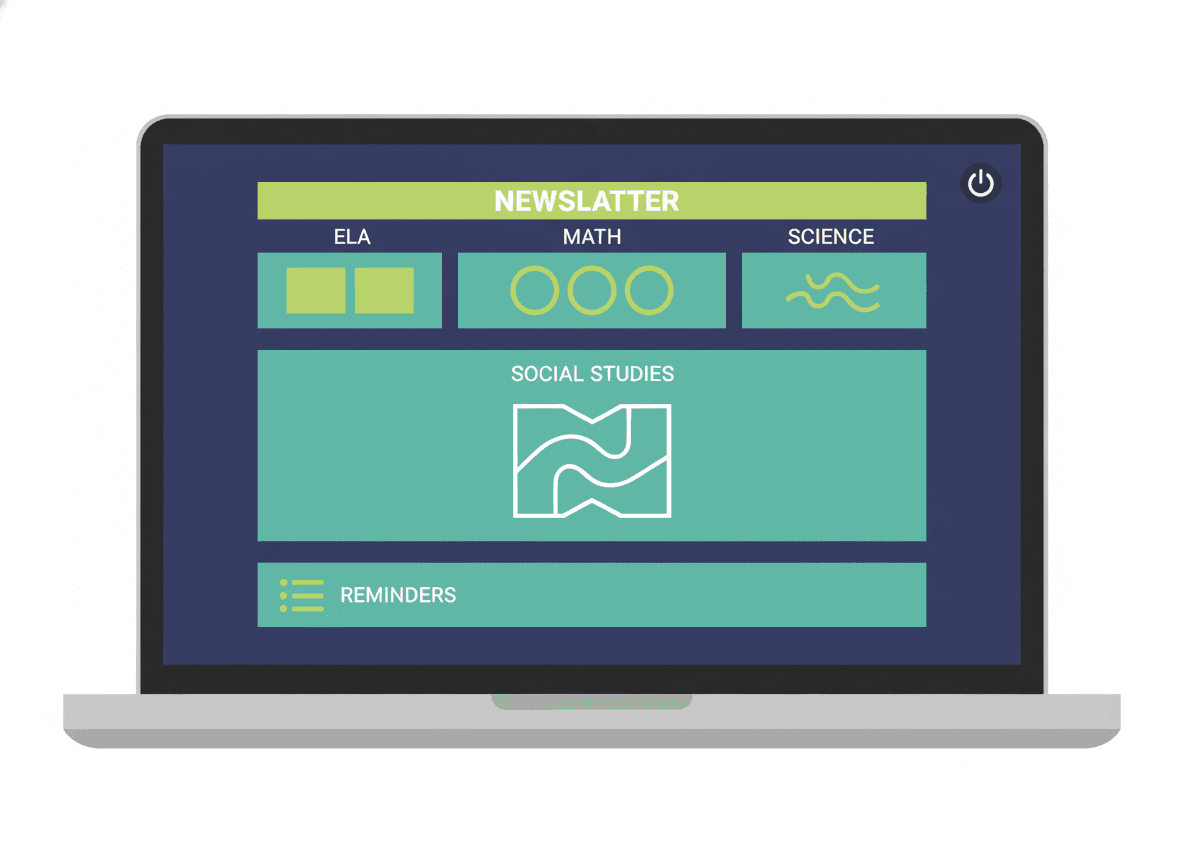
- Grade-wide announcements. Dates, events, and logistics that affect all students in the grade: field trips, schedule changes, grade-level assemblies, standardized testing windows.
- Subject-by-subject updates. Each teacher contributes two to three sentences on what their class is working on this week. Not a full lesson plan. Just enough for families to know what to ask about.
- Upcoming deadlines. A consolidated list of due dates across all subjects for the next two weeks. This is the most read section in grade-level newsletters. Parents with middle schoolers are especially focused on keeping track of deadlines their child may not have mentioned.
- Counselor or grade-level team note. One section from the grade-level counselor or team lead, covering social-emotional topics, resources, or grade-level news.
- Contact directory. A short list of all grade-level teachers with emails. Included every week, every issue. Families should never have to search for how to reach a teacher.
Who writes it and who sends it
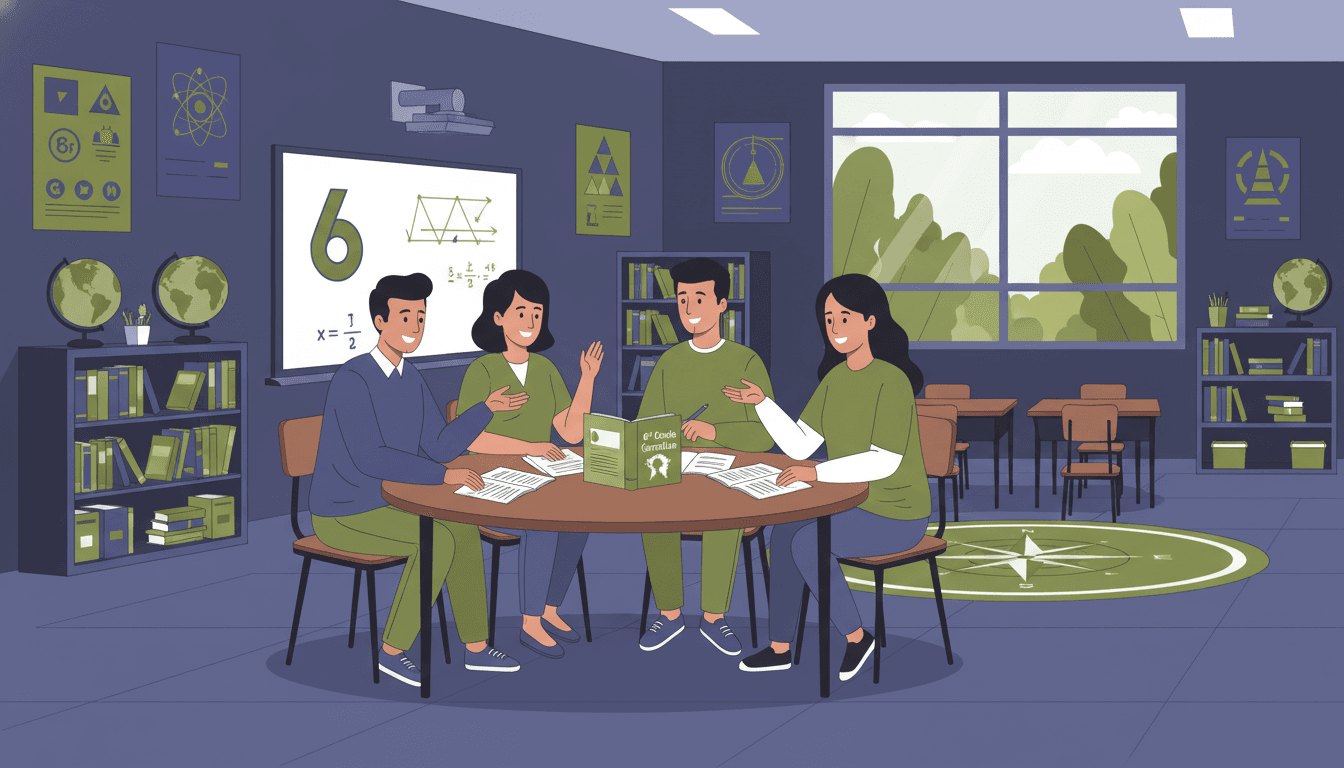
The most common model is a rotating editor. Each teacher takes one week per month as the newsletter coordinator. They collect the subject-by-subject updates from their colleagues (via a shared document or quick form), compile the grade-wide announcements, format the newsletter, and send it.
The key is making contribution as low-friction as possible for the team. A shared Google Doc where each teacher adds their two to three sentences by Wednesday afternoon makes it easy for the Thursday editor to pull everything together and send by Friday.
Alternatively, one teacher or team leader volunteers as the consistent editor, and the team commits to submitting their updates by a set deadline each week. Some teams prefer this because it creates a more consistent voice and format.
Common failure modes and how to avoid them
Grade-level newsletter systems fail for a few predictable reasons:
One teacher ends up doing all the work. This happens when the submission process is unclear or when some teachers consistently miss the deadline and someone else covers for them. Fix it by making the deadline a team commitment and publishing a contribution rotation schedule at the start of the year.
The newsletter becomes too long. When five or six teachers each contribute freely, the newsletter can balloon to 2,000 words. Set a word limit for each subject section (two to three sentences maximum) and enforce it. The newsletter should be readable in five minutes.
Families do not know it exists. The grade-level newsletter only works if families know to look for it. Introduce it at back-to-school night and the start-of-year orientation. Include it in the first week's communication. Tell families the send day so they can look for it.
Tools that make grade-level newsletters work
Daystage is used by middle school teacher teams who want a professional, consistently branded grade-level newsletter without complicated coordination overhead. The editor makes it straightforward to build your standard sections, paste in each teacher's update, and send to the whole grade-level parent list in one step.
Because the newsletter format stays consistent week over week, rotating editors do not spend time rebuilding the structure. They fill in the sections, update the dates, and send. Open rate tracking lets the team see whether families are actually reading the newsletter or whether something needs to change.
Grade-level newsletters build school culture
A newsletter from "the 7th grade team" communicates something beyond the individual updates inside it. It tells families that the teachers know each other, coordinate with each other, and are thinking about students' experience across all their classes, not just within each individual classroom.
That sense of cohesion matters to families. It signals that their child's middle school experience is intentionally designed rather than a collection of separate, disconnected classrooms. That is worth a lot.
Get one newsletter idea every week.
Free. For teachers. No spam.
Frequently asked questions
When should middle school teacher teams send grade-level newsletters?
Weekly is the right cadence for a coordinated grade-level newsletter, sent on a consistent day so families develop the habit of reading it. A rotating editor model where each teacher takes one week per month as the compiler keeps the workload distributed. The system depends on a hard submission deadline, usually Wednesday afternoon, so the editor can compile and send by Friday.
What should a middle school grade-level newsletter include?
A grade-level newsletter should cover grade-wide announcements, a two-to-three-sentence subject update from each teacher, a consolidated deadline list for the next two weeks, a counselor or team lead note, and a full contact directory. The deadline list is the most-read section because middle school parents are tracking due dates their child may not have communicated at home.
How should middle school teacher teams coordinate newsletter production?
The rotating editor model works well for most teams. Each teacher contributes their subject section via a shared Google Doc by a set deadline, and the editor of that week compiles everything, adds grade-wide announcements, and sends. Alternatively, one consistent editor can own the format and voice while the team commits to submitting updates by a weekly deadline.
What challenges do middle school teacher teams face with grade-level newsletters?
Three failure modes are predictable: one teacher ends up doing all the work when submission processes are unclear, the newsletter gets too long when content is not limited per subject, and families do not know the newsletter exists because it was never introduced clearly. Setting word limits per subject section, publishing a contribution rotation schedule, and announcing the newsletter at back-to-school night addresses all three.
Is there a tool that supports coordinated grade-level newsletter production for middle school teams?
Daystage supports multi-contributor newsletter workflows where team members can submit their sections and a coordinator assembles the final send. For middle school teams who want a single professional newsletter without each teacher managing their own subscriber list, it handles the coordination without requiring everyone to use separate tools.

Adi Ackerman
Author
Adi Ackerman is a former classroom teacher and curriculum writer with 8 years in K-8 schools. She writes about school communication, parent engagement, and what actually works in real classrooms.
More for Middle School
Middle School Academic Intervention Newsletter: Supporting Struggling Learners
Middle School · 6 min read
Middle School Drama Newsletter: Keeping Families in the Loop on Theater
Middle School · 5 min read
Middle School Music Newsletter: Communicating With Families Who Support the Program
Middle School · 6 min read
Ready to send your first newsletter?
3 newsletters free. No credit card. First one ready in under 5 minutes.
Get started free