
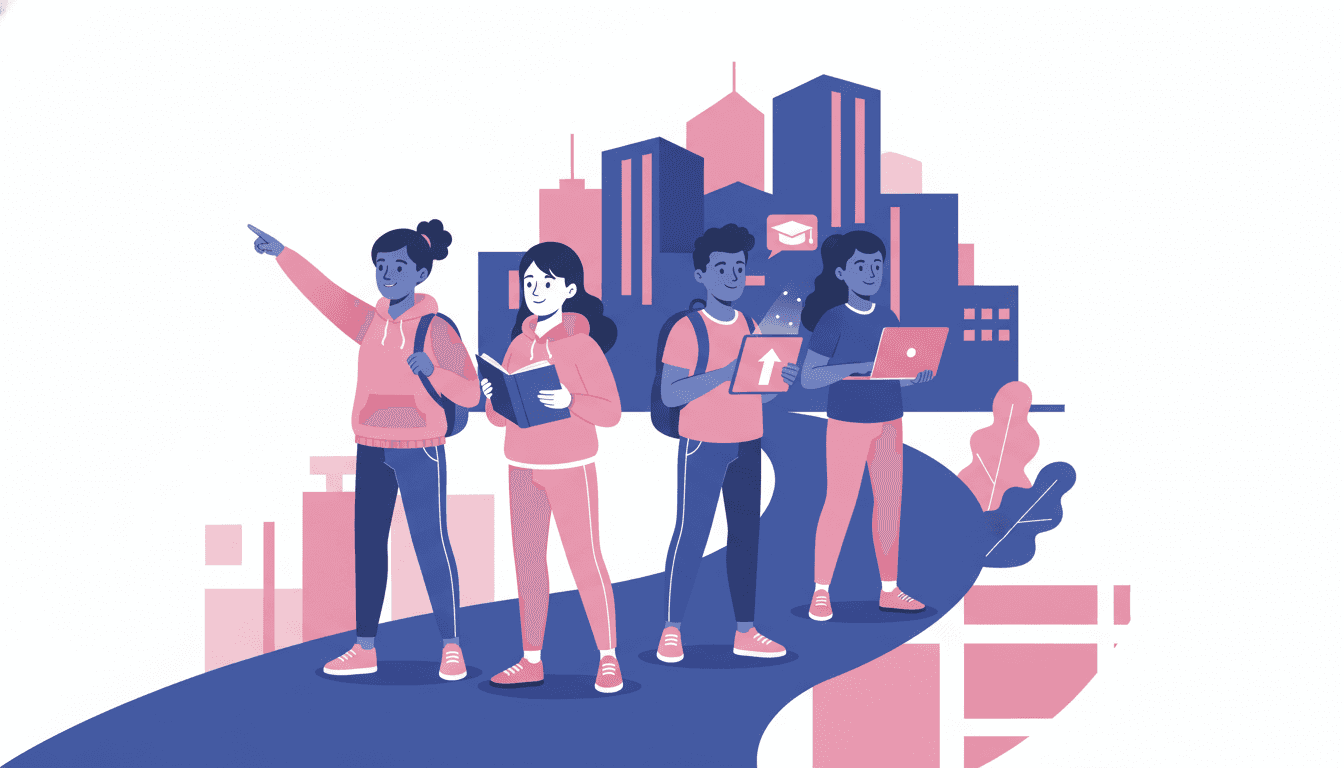
Middle School Community Service Newsletter: Sharing Service Learning With Families
Community service at the middle school level teaches students that they have the capacity to make a real difference in the world around them. When it is connected to academic content and structured reflection, it is also one of the most powerful learning experiences a school can offer. A newsletter that communicates what students are doing and why brings families into that experience rather than leaving them to see a service project as a logistical inconvenience.
What community service looks like at the middle school level
Middle school community service takes many forms. Some schools require a set number of service hours each semester. Others integrate service into specific classes through service learning projects. Still others run whole-school drives or events that bring everyone together around a common cause.
A newsletter that describes the specific form community service takes at your school gives families an accurate picture rather than leaving them to guess. Include whether service is required or optional, how hours are tracked if applicable, and what kinds of projects students have engaged in recently or are planning.
Connecting service to academic content
The most educationally valuable community service is connected to what students are learning in class. An ELA class that collects books for a community library and writes persuasive letters about literacy access. A science class that researches local environmental issues and organizes a park cleanup. A social studies class that studies food policy and runs a school food pantry.
When your newsletter can draw this connection, make it explicit. "Our sixth-grade social studies classes are studying economic inequality this semester. Students are connecting that research to our current coat drive for the local shelter." That sentence does more to legitimize the service activity in families' eyes than any general statement about the value of giving back.
Announcing upcoming drives and how families can participate
Service drives need enough lead time to be successful. A newsletter sent one to two weeks before a drive deadline, with a specific ask and a concrete goal, outperforms a last-minute reminder every time. Include what is being collected, where to drop it off at school, the deadline, and the name of the organization that will benefit.
Give families multiple ways to participate at different commitment levels. Donating a can of food is one level. Volunteering at a school packing event is another. Sharing a professional connection with a service learning project is a third. Families who have options are more likely to find one that works for them.
Sharing the impact of what students accomplish
Follow-up communication is one of the most neglected parts of service learning communication. A newsletter that reports back what was accomplished, how many items were collected, what the impact was on the recipient organization, or what students observed during a service project, closes the loop and makes the work feel real and significant.
When possible, include a quote from a student about what they took away from the experience. Student voices are more compelling than teacher or administrator summaries, and they give families a window into the personal impact of the work.
Building a culture of service over time
One-off service events produce limited impact. Schools that build a genuine service culture, where giving back is a consistent and valued part of school identity, produce students who carry that ethic into adulthood. A newsletter that mentions community service consistently throughout the year, not just around major drives, contributes to that culture.
Families who receive regular communication about service activities come to see community involvement as a core part of what the school stands for, which makes their support feel less like a request and more like participation in something they already believe in.
Get one newsletter idea every week.
Free. For teachers. No spam.
Frequently asked questions
What is service learning and how does it differ from regular volunteering?
Service learning integrates community service with structured reflection and connects the work to academic content. Students do not just collect food donations. They might also research food insecurity, write persuasive arguments about policy solutions, or analyze data about hunger in their community. The reflection component is what distinguishes service learning from a standard service project, and explaining this distinction in a newsletter helps families understand why the activity is part of the curriculum.
How should a newsletter communicate upcoming community service drives?
Be specific: what is being collected or done, when, where drop-off happens, and what the goal is. A specific goal, like 200 canned goods by November 18, is far more motivating than a general request to donate. Include information about the organization or community the drive benefits so families feel connected to the impact. Follow up after the drive with what was collected and what it will do.
How do you explain service learning's educational value to families who see it as a distraction?
Connect service learning to specific academic skills: research, writing, data analysis, public speaking, and civic knowledge. Families who understand that a food drive project involves reading about food insecurity, writing a persuasive letter to a local official, and presenting data to the school community see service learning as rigorous academic work, not a feel-good activity that takes time away from content.
How can families participate in school community service initiatives?
Offer several levels of participation: donating supplies, volunteering at school-based service events, sharing professional expertise with service learning projects, and reinforcing the service ethic at home by doing community service together as a family. A newsletter that provides options at different commitment levels reaches families where they are rather than asking for more than they can give.
How does Daystage help schools communicate community service initiatives to families?
Daystage makes it easy to send timely community service newsletters that reach all families consistently, which is particularly useful for drive deadlines and post-event impact updates when timing matters.

Adi Ackerman
Author
Adi Ackerman is a former classroom teacher and curriculum writer with 8 years in K-8 schools. She writes about school communication, parent engagement, and what actually works in real classrooms.
More for Middle School
Middle School Family Engagement Events Newsletter: Getting Families Through the Door
Middle School · 6 min read
Middle School Parent-Teacher Conference Newsletter: How to Prepare Families
Middle School · 5 min read
Middle School Team Newsletter: How Grade-Level Teams Communicate With Families
Middle School · 6 min read
Ready to send your first newsletter?
3 newsletters free. No credit card. First one ready in under 5 minutes.
Get started free