
July Newsletter Ideas for 6th Grade Teachers: What to Send Before School Starts

A July newsletter from a 6th grade teacher is not something most families expect, which is exactly why it works. It arrives when families are still in summer mode but starting to think about September. It gives them time to prepare without pressure. And it signals from the start that you are the kind of teacher who communicates proactively and clearly. The families who receive it will remember it when school starts, and the ones who needed the summer reading reminder will be quietly grateful.
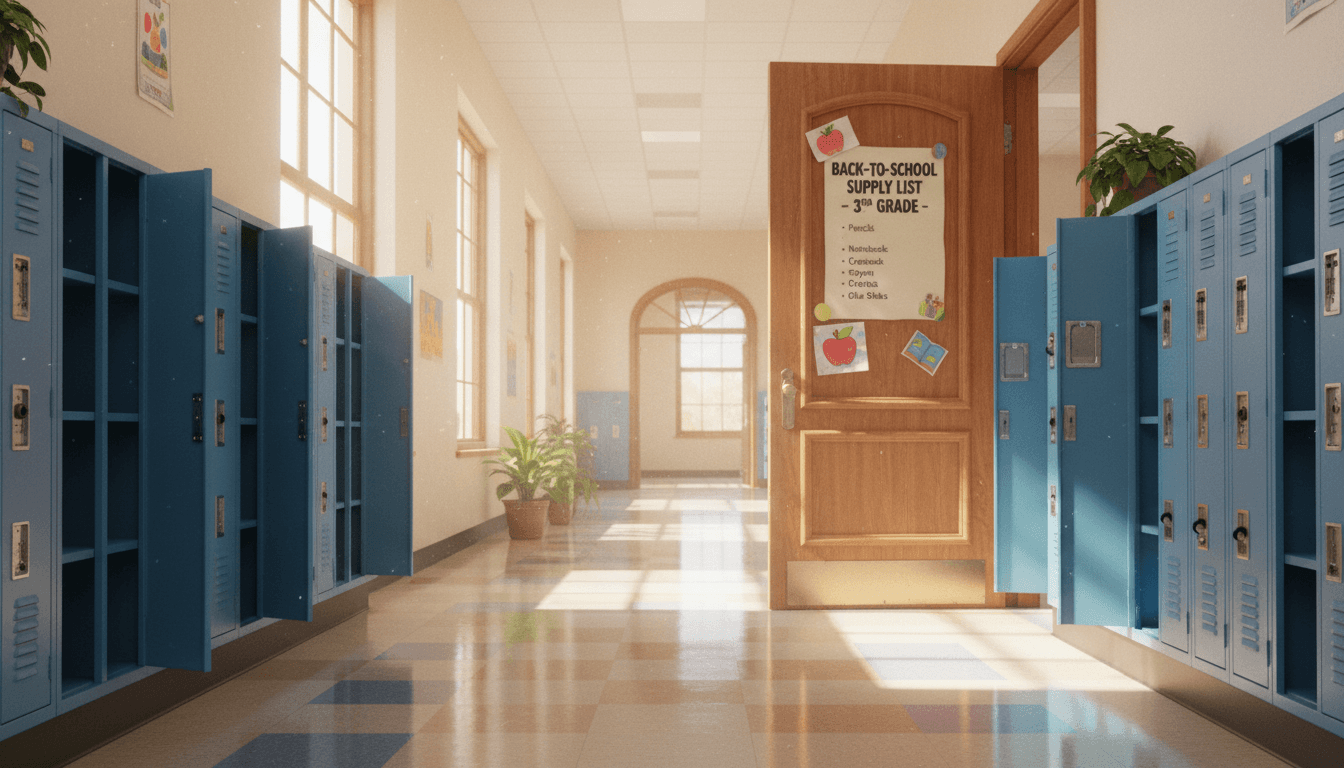
Supply list: what to buy and when
Include the complete school supply list for 7th grade, or link to where it can be found online. If there are any supplies specific to your class or subject, name them explicitly. Early July is the best time to communicate supply lists because most families have time to shop without back-to-school rush pricing or stock shortages. A well-organized supply list is one of the most immediately useful things you can include in a July newsletter, and families refer back to it repeatedly before the first day.
Schedule distribution and first-day logistics
Tell families when and how schedules will be distributed. Is there a school registration day or orientation event where students pick up their schedule in person? Will it be posted in the student portal? Is there an open house or walk-through event before the first day? Sixth grade families who just survived their student's first year of middle school remember the anxiety of the first day. Clear, early information about the first-day schedule reduces that anxiety significantly.
Summer reading: the July reminder that actually matters
If you sent a summer reading list in June, July is the right time for a follow-up reminder. Name the required titles and the assignment format. If books are available at the public library or through a digital lending platform, mention that. Tell families roughly how long the assignment should take to complete so they can gauge whether their student is on track. The students who arrive in 7th grade having completed their summer reading get to start the year with momentum. Your July reminder is what makes the difference for the families who were meaning to get started.
Fall sports and extracurricular sign-ups
If fall sports tryouts or registration are scheduled, include the dates and what the sign-up process looks like. Same for any clubs, band or orchestra programs, or after-school activities with early registration deadlines. Seventh grade is often when students start investing more seriously in their interests outside of class. Families who receive this information in July have time to plan ahead rather than scrambling to register in the first week of school when everything else is also happening at once.
New teacher introductions
If there are new teachers joining the 7th grade team, a brief introduction in your July newsletter is a warm way to bring families into that transition. Name the subject, share a sentence or two about the teacher's background or approach, and let families know how to reach out with questions. Students often feel less anxious about a new teacher when they have had some introduction before the first day rather than walking into a classroom knowing nothing.
What to expect in 7th grade
A brief section on how 7th grade differs from 6th grade is useful for families who are helping their students prepare. Are the academic expectations higher? Are there more long-term projects or independent reading requirements? Are there new electives or class structures? Two or three specific observations help families set realistic expectations for their student over the summer, and they arrive at the first day with a clearer picture of what the year will ask of them.
Important July and August dates
Close with a clean list of upcoming dates: schedule distribution or portal access date, open house or orientation event, sports tryout or registration deadlines, first day of school, and any summer reading assignment due dates. A well-organized dates section at the end of a July newsletter is the piece families come back to most as August approaches. Keep it specific and simple.
A July newsletter is an investment in the year that has not started yet. Families who feel informed and connected before the first day show up more engaged, prepared, and trusting of the communication that follows. That trust is worth the time it takes to send one email in July.
Get one newsletter idea every week.
Free. For teachers. No spam.
Frequently asked questions
Why should a 6th grade teacher send a July newsletter?
A July newsletter from a 6th grade teacher lands at exactly the right moment for families who just finished their student's first middle school year. It signals that you are already thinking about next year, it gives families time to prepare over the summer without scrambling in August, and it builds the communication relationship that will carry through the next school year. Families who receive a July newsletter from a teacher are more engaged and better prepared from the first week of school.
What back-to-school information should a July 6th grade newsletter include?
Include the school supply list, first-day schedule or schedule distribution information, any orientation or open house dates, and information about how to access the student portal. If there are any changes to the school building, schedule format, or grade-level expectations for the coming year, name them. Sixth grade families who completed their student's first year of middle school have a clearer picture of what the school requires, and a July newsletter helps them prepare more strategically than they did the year before.
Should a July 6th grade newsletter include a summer reading reminder?
Absolutely. July is the last realistic window for families to complete summer reading before August becomes too busy. Remind families of the required titles and the assignment format due in September. If the books are available at the public library, mention that. A brief, friendly reminder in July is not nagging, it is genuinely useful. The students who arrive in 7th grade having completed their summer reading are better positioned from the first week.
What sports or extracurricular information belongs in a July newsletter?
If fall sports tryouts are scheduled or registration is open, include those dates and the process for signing up. Same for any fall clubs, band or orchestra registration, or after-school programs with early sign-up deadlines. Seventh grade is often when students start committing more seriously to extracurriculars, and families who receive this information in July have time to plan transportation, schedules, and gear before school starts rather than scrambling in September.
What newsletter tool works best for teachers sending a July back-to-school newsletter?
Daystage is built for exactly this kind of send: a mix of practical logistics and relationship-building for busy families who are managing the end of summer. The block-based editor lets you organize supply lists, schedule details, summer reading reminders, and extracurricular sign-up information cleanly without spending a lot of time on formatting. Newsletters send directly to parent inboxes as formatted emails, so families receive everything in one place without hunting for attachments.

Adi Ackerman
Author
Adi Ackerman is a former classroom teacher and curriculum writer with 8 years in K-8 schools. She writes about school communication, parent engagement, and what actually works in real classrooms.
More for Middle School
Ready to send your first newsletter?
3 newsletters free. No credit card. First one ready in under 5 minutes.
Get started free