

Alaska Middle School Parent Communication Guide
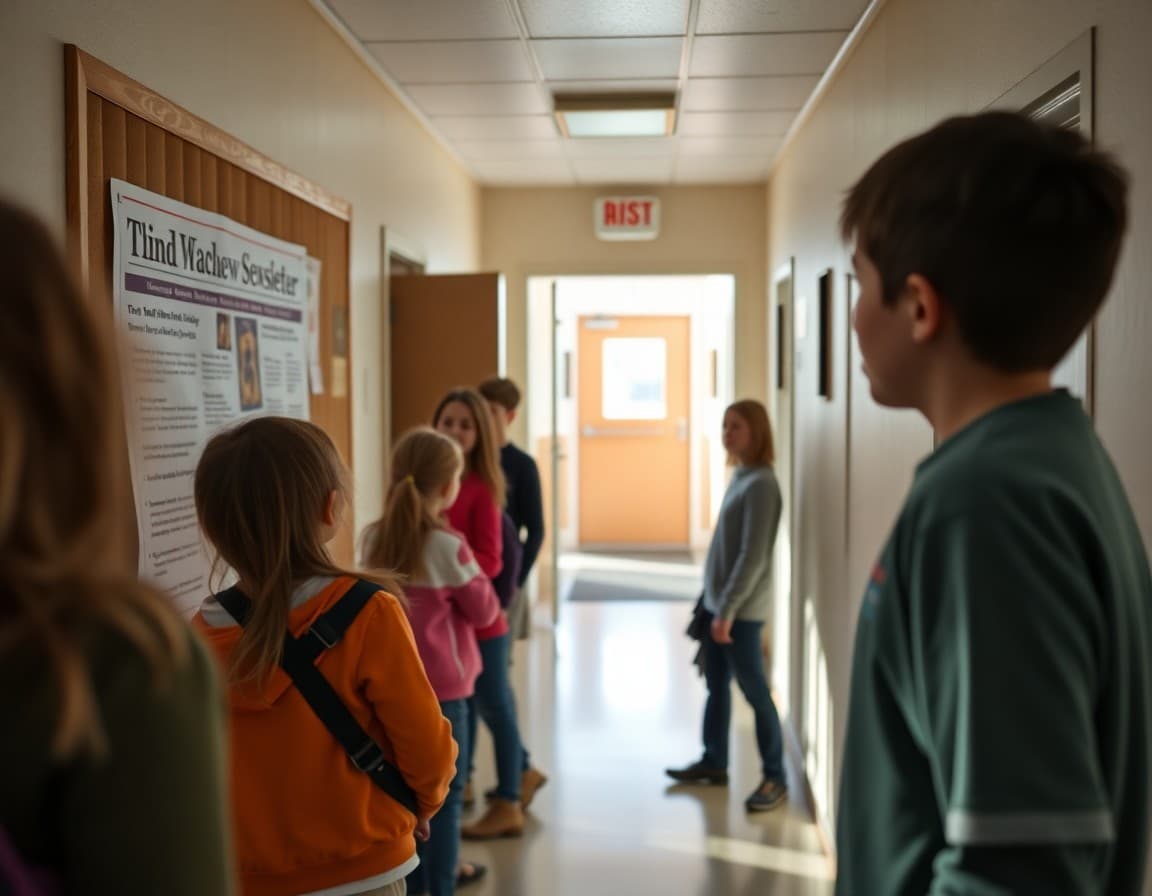
Parent communication in Alaska middle schools operates under conditions that no other state quite replicates. A teacher in Anchorage or Fairbanks faces many of the same communication challenges as any urban middle school teacher in the lower 48. A teacher in Akiak, Shishmaref, or Gambell is operating in a context where geography, connectivity, cultural practice, and community structure all shape what effective communication looks like in ways that standard templates simply do not account for. This guide addresses both.
Understand Your Community First
Alaska is not one communication context. It is dozens. Before building your communication plan, find out how families in your specific community prefer to receive information. Talk to the school secretary, the principal, and any community liaisons. In many rural Alaska communities, the local store, community center, or tribal office is where information flows. In urban Anchorage and Juneau, digital communication works well. In villages with unreliable internet, phone calls and physical notices work better.
Honor Subsistence Scheduling
Many Alaska Native families follow seasonal subsistence practices: fishing in summer, hunting in fall, trapping in winter. These schedules affect student attendance and family availability for communication. A teacher who sends a major communication during salmon season and expects the same response rate as in January will be frustrated. Plan your communication calendar around the subsistence schedule of your community and extend flexibility to families during high-activity subsistence periods.
Build Your Communication Channels Thoughtfully
In remote Alaska communities, a multi-channel approach is not optional, it is necessary. Here is a practical baseline:
"Email for families with reliable internet access. A printed copy sent home with students for all major communications. A brief phone call for anything time-sensitive. A relationship with the school liaison for families who are best reached through community members they already trust. For routine monthly updates, a consistent format that families recognize makes it more likely they will open and read it."
Approach Alaska Native Families With Cultural Awareness
Alaska Native communities have diverse cultures, languages, and communication norms. In many of these communities, extended family members (grandparents, aunts, uncles) play central roles in a child's upbringing and may be the appropriate contacts for school communication. Direct confrontation or criticism of a child can violate cultural norms around respect and saving face. A teacher who builds genuine relationships with community members before problems arise is far better positioned than one who only contacts families when something is wrong.
Connect With Your School's Cultural Resources
Many Alaska schools have community liaisons, Alaska Native education coordinators, or cultural specialists who can help bridge communication gaps between the school and families. These resources are underused by many teachers. A brief conversation with the school liaison at the start of the year can prevent months of miscommunication and missed connections.
Handle Remote Communication Technology Realistically
Many remote Alaska schools have satellite internet that is slower and more expensive per gigabyte than urban broadband. Email newsletters work fine. Video conferencing for parent-teacher conferences requires advance scheduling and technical backup plans. An asynchronous approach, sending newsletters that families can read on their own schedule, is more reliable than expecting real-time digital communication. Daystage's email-plus-web-link format works well for this because families can read the newsletter whenever their connectivity allows.
Set Clear Expectations at the Start of the Year
Your first communication of the year should tell families how you will reach them and how quickly they can expect a reply. In a remote village, families appreciate knowing whether the teacher lives in the community or is flown in, when you are available, and how you prefer to be contacted. That transparency is the foundation for a year of functional communication.
Build in Cultural Content That Families Recognize
A newsletter that reflects the community it serves builds more trust than a generic template. In Alaska Native communities, referencing seasonal events, including a word in the community's heritage language, or acknowledging cultural celebrations in your newsletter signals that you see and value where your students come from. That signal matters enormously for families who have historical reasons to be skeptical of school systems. Even small gestures of cultural recognition create the trust that makes all other communication more effective.
Get one newsletter idea every week.
Free. For teachers. No spam.
Frequently asked questions
What unique challenges does parent communication present in Alaska middle schools?
Alaska's geographic reality makes communication uniquely complex. Rural and remote communities, some accessible only by small plane or boat, may have limited internet access and different school schedules than urban centers. Weather can interrupt communication windows. Cultural context matters: many Alaska Native communities have communication norms and family structures that differ from the assumptions built into standard school communication templates.
How does Alaska's Alaska Native student population affect communication practices?
Alaska Native students make up approximately 25% of the state's public school enrollment. Many come from communities with strong oral tradition, extended family involvement in child-rearing, and cultural contexts that may differ from the nuclear family model assumed in most school communication materials. Effective communication for these families often involves community liaisons, bilingual outreach, and awareness of subsistence seasonal schedules.
What state requirements guide parent communication in Alaska middle schools?
The Alaska Department of Education and Early Development requires that parents be informed of student progress through report cards, have access to student records under FERPA, receive notice of special education evaluations and IEP meetings, and have the opportunity to participate in school governance. Alaska's Title I schools have additional family engagement requirements similar to federal mandates.
How should Alaska middle school teachers handle communication with families in remote villages?
Plan communication around connectivity realities. Many remote Alaska schools have satellite internet that is slow or inconsistent. Phone calls may be more reliable than email. Community bulletin boards in small villages are often more effective than digital-only communication. Building a relationship with a community liaison or school family advocate is one of the most effective steps a remote Alaska teacher can take.
What tool works for sending middle school newsletters to Alaska families across different access levels?
Daystage lets you create newsletters that can be sent by email, shared as a web link, or printed for physical distribution. This flexibility is particularly valuable in Alaska where communication channels vary significantly across communities.

Adi Ackerman
Author
Adi Ackerman is a former classroom teacher and curriculum writer with 8 years in K-8 schools. She writes about school communication, parent engagement, and what actually works in real classrooms.
More for Middle School
Ready to send your first newsletter?
3 newsletters free. No credit card. First one ready in under 5 minutes.
Get started free