
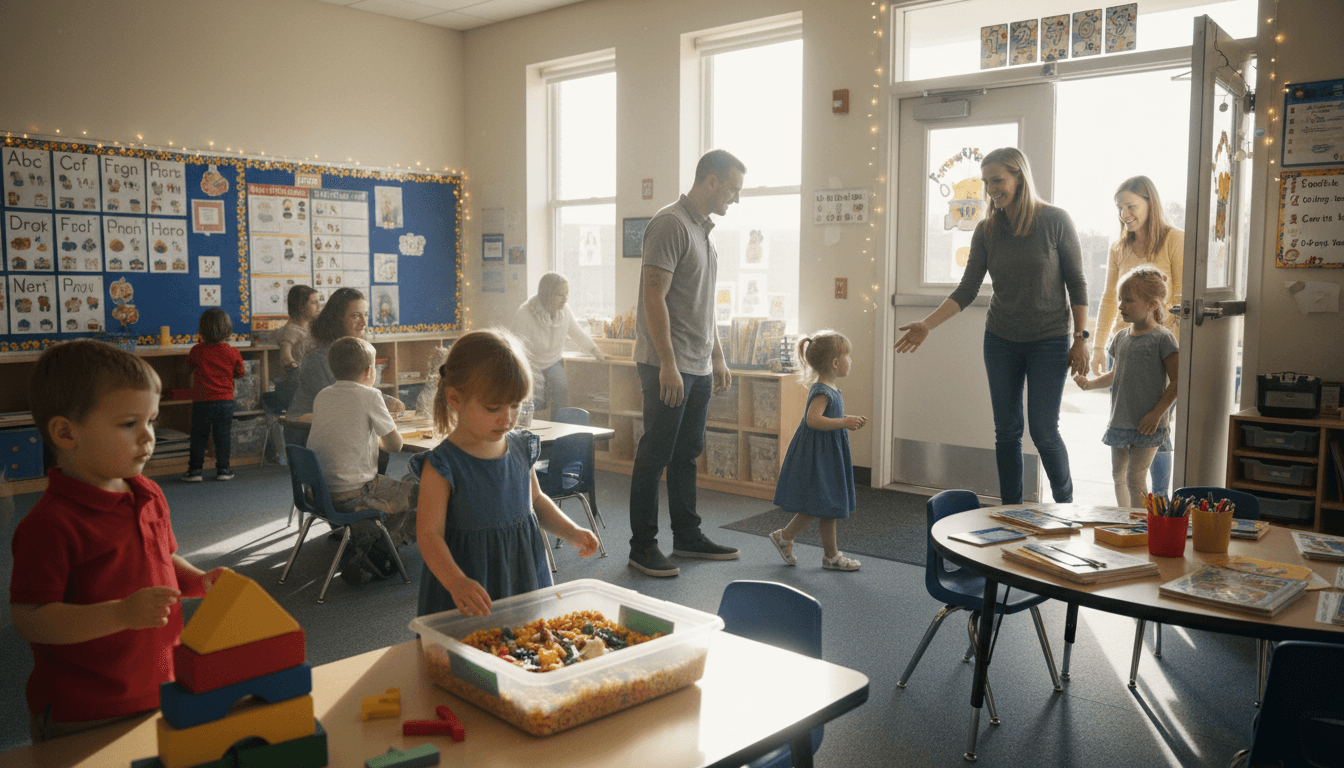
Kindergarten Show and Tell Newsletter Guide
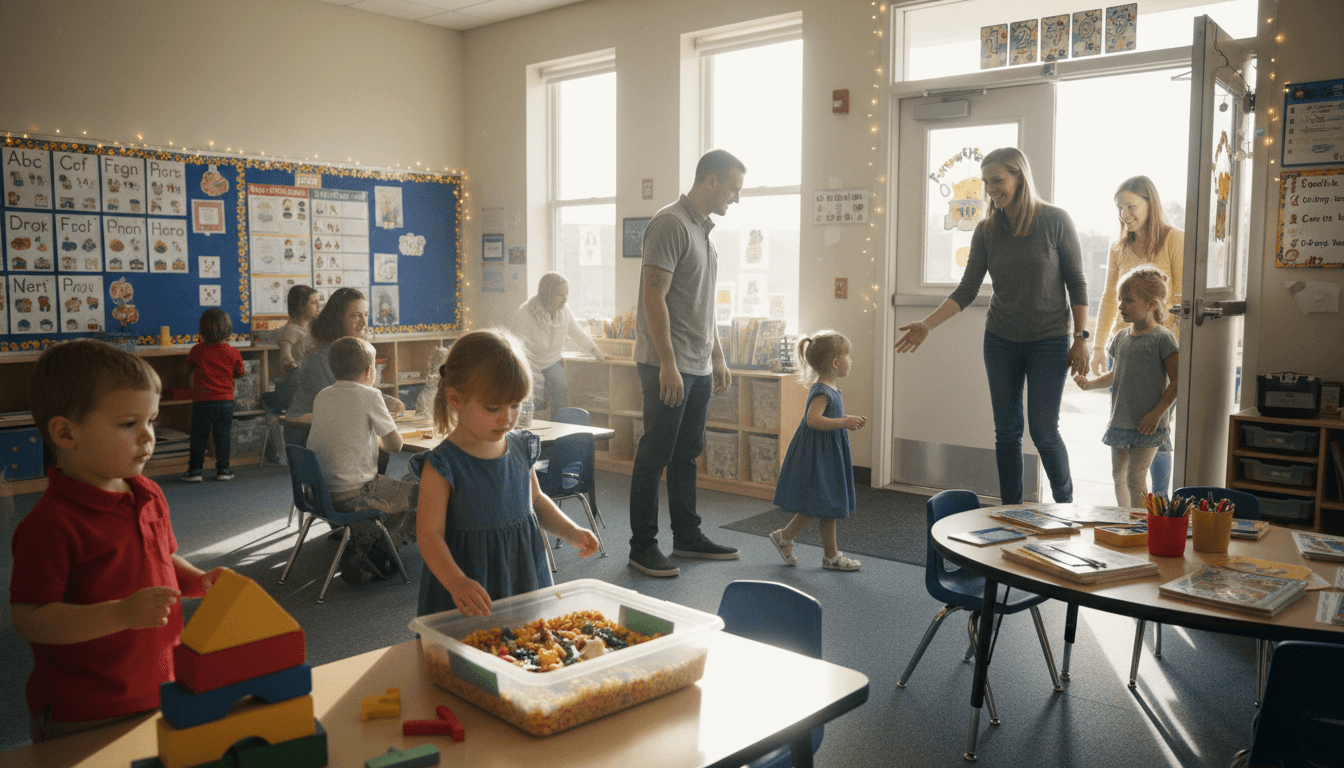
Show and tell, run thoughtfully, is one of the most effective speaking and listening activities in kindergarten. Run carelessly, it is a parade of toys. A newsletter that explains the program and gives families clear guidance produces significantly better student presentations and a richer learning experience for the whole class.
The show and tell newsletter
Subject line: Show and tell in kindergarten: what it builds, when it happens, and how to choose an item
Opening: Show and tell is part of our kindergarten program. This newsletter explains what it develops academically, how to choose a good item, and the schedule for when your child will share.
What show and tell builds
Explain the academic purpose in plain language. "Show and tell gives students practice with one of the most important academic skills in all of school: standing in front of people and speaking clearly and confidently about something. Students practice organizing their thoughts, using descriptive vocabulary, and answering questions from their audience. The class practices active listening and asking questions. These are the same skills students use in academic discussions all the way through high school."
How to choose a good show and tell item
The best item is something the child can talk about for 1-2 minutes. That means it has a story behind it, or the child is genuinely curious about it, or it is personally meaningful.
- A rock, shell, or natural object from a trip or important place
- A photo of a pet, a family member, or a favorite place
- A book that is important to the child
- Something the child made themselves
- A small object that connects to something the child is curious about
What not to bring
List the items families should leave at home: electronic devices, irreplaceable items, anything with a sharp edge or fragile parts, toy weapons, live animals, and food. "We want everyone focused on the story your child is telling, not the item itself. Please leave electronics at home. They are distracting for the whole class and easy to lose or damage."
The schedule
Include the rotation schedule so families know when their child's day is. "Each student will have one show and tell day per [month/cycle]. Your child's next day is [date]. I will send a reminder the day before. If your child forgets to bring something or does not have something to bring, let me know and I will have something available."
After show and tell
Close by encouraging families to ask their child about it afterward. "Ask your child how show and tell went. What did they say? What questions did classmates ask? What did someone else bring that was interesting? These conversations reinforce the experience and show your child that their school day matters to you."
Get one newsletter idea every week.
Free. For teachers. No spam.
Frequently asked questions
What does show and tell develop in kindergartners?
Public speaking confidence, the ability to organize and sequence a presentation, vocabulary expansion (children describe objects and explain why they matter), listening skills in the audience, and social connection through sharing something personally meaningful. When run well, show and tell is a speaking, listening, and thinking activity, not just a sharing time.
What guidelines should the newsletter give families for choosing show and tell items?
Items that are personally meaningful to the child and that the child can talk about for 1-2 minutes. Not the most expensive or impressive toy they own, but something with a story. A rock from a family trip, a photo of a pet, a book that is important to them. The newsletter should also list what NOT to bring: electronics, weapons of any kind, live animals, food items unless the teacher requests them, and anything irreplaceable.
How do you prevent show and tell from becoming a competition over who brought the best toy?
By explicitly framing it in the newsletter as being about the story, not the object. 'We are interested in what your child has to say about what they brought, not the item itself. A child who brings a pebble from their grandfather's garden and tells us the story of why it matters will have a better show and tell experience than a child who brings an expensive toy and has nothing to say about it.'
How do you handle show and tell when families cannot provide a special item?
Have backup options available in the classroom: items from nature, classroom objects, or drawings the child makes. The newsletter should reassure families that show and tell is not a burden: 'If your child does not have something to bring on their day, they can bring a drawing of something important to them, or choose an object from our classroom collection. The sharing is what matters, not the item.'
How does Daystage help with show and tell communication?
Daystage lets teachers send the show and tell schedule to all families at once, set reminder notifications for each family on their assigned day, and include the guidelines in a format families can reference again before the day arrives. Automated reminders the day before show and tell reduce the 'I forgot it was my day' situation significantly.

Adi Ackerman
Author
Adi Ackerman is a former classroom teacher and curriculum writer with 8 years in K-8 schools. She writes about school communication, parent engagement, and what actually works in real classrooms.
More for Kindergarten Transition
Kindergarten Spring Update Newsletter Guide
Kindergarten Transition · 5 min read
Kindergarten Bus Procedures Newsletter: How to Prepare Families for Their Child's First Bus Ride
Kindergarten Transition · 5 min read
Kindergarten Health and Allergy Newsletter: How to Communicate Health Policies Families Need Before Day One
Kindergarten Transition · 5 min read
Ready to send your first newsletter?
3 newsletters free. No credit card. First one ready in under 5 minutes.
Get started free