

Waldorf Homeschool Newsletter: Rhythm and Learning Updates
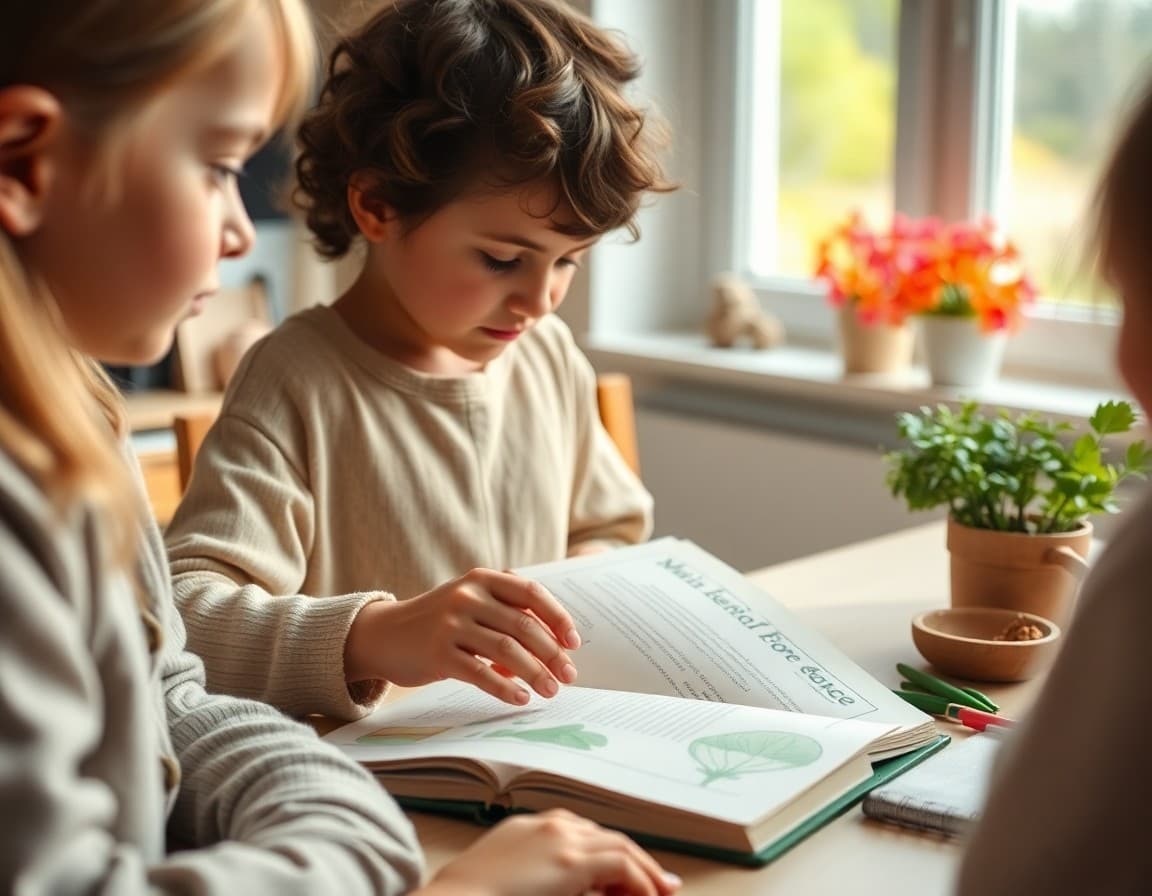
Waldorf education is built around the idea that children develop in stages that correspond to seven-year cycles, and that the curriculum should meet children where they are developmentally rather than racing toward academic benchmarks. A Waldorf homeschool newsletter reflects this philosophy: it communicates learning through the lens of seasonal rhythm, artistic expression, and whole-child development rather than lessons completed and scores achieved.
Anchor the Newsletter to the Season
Waldorf education is deeply seasonal, and the newsletter should reflect that. Open with a brief description of what the season brings to your learning: the quality of autumn light for main lesson drawing, the preparation for a seasonal festival, the change in natural world that the nature study is tracking. When readers sense that the education is rooted in the rhythms of the natural year rather than an arbitrary academic calendar, they understand the Waldorf approach more fully.
A seasonal opening also helps parents connect the newsletter to their own lived experience of the natural world, which builds a bridge between school learning and home life.
Describe the Current Main Lesson Block
The core of any Waldorf newsletter is the main lesson block update. Name the subject being studied, the specific content, the artistic work associated with it, and the stories, myths, or legends being used as entry points. "This month's main lesson is Ancient Egypt. Students are creating main lesson book pages with block crayon illustrations of Egyptian hieroglyphs, listening to myths about Ra and Osiris, and building a clay model of the Nile delta. The stories bring the geography and culture alive before we study the historical facts."
Cover Handwork and Practical Arts
Handwork is central to the Waldorf curriculum: knitting, weaving, woodworking, and other craft work develop fine motor skills, mathematical thinking, patience, and the will forces Waldorf educators consider essential for healthy development. Your newsletter should include a brief description of current handwork projects: what is being made, what skill is being developed, and how far along each student is. Photos of work in progress are compelling for families and extended family alike.
Note Seasonal Festivals and Special Days
Waldorf homeschools often celebrate seasonal festivals: Michaelmas in late September, Martinmas in November, Advent preparation, Candlemas, and others depending on the family's cultural background and community. When a festival is approaching, include it in the newsletter with a brief description of what you celebrate and how families can prepare or participate. For co-ops doing shared festival celebrations, include practical logistics as well.
Sample Newsletter Section
October - Block 2: Norse Mythology (Grade 4)
We are deep into our Norse mythology block this month. The stories of Odin, Thor, and the Nine Worlds resonate powerfully with fourth graders, who are in the developmental stage of beginning to perceive individual struggle and heroism. We have been reading from D'Aulaires' Norse Myths as our main text and creating main lesson book pages with detailed illustrations.
Artistic work this block: Wet-on-wet watercolor paintings depicting scenes from the myths. Students are also creating their first form drawing patterns using Viking knotwork designs, which develops spatial thinking and geometric awareness.
Handwork update: Second-year knitters are working on finger puppets using double-pointed needles. This is the most technically challenging project yet. Most students are comfortable with the technique by now and enjoying the creative freedom of choosing their own puppet characters.
Seasonal celebration: Martinmas lantern walk, November 11 at 5:30pm. Students will make their beeswax lanterns at our October 28 co-op meeting. Bring your own dried flowers or natural materials for decoration.
Share Developmental Observations Without Labeling
Waldorf education pays close attention to child development in a way that standard academic reporting misses. Your newsletter can include brief developmental observations that give parents a sense of how their child is growing as a person, not just a student. "This age group is beginning to develop a strong sense of justice and moral outrage. The Norse myths speak directly to that developmental stage, and the conversations after the stories reflect it." These observations help parents understand why the curriculum is what it is at each stage.
Recommend Home Practices That Align with Waldorf Values
Waldorf families are typically interested in aligning home rhythms with school learning. Suggest home practices that support the current block: oral storytelling at bedtime rather than reading from a book, beeswax modeling with leftover materials from the handwork project, or a simple morning verse or song to establish the day's rhythm. These suggestions should feel like invitations rather than requirements, and Daystage's warm newsletter format helps carry that tone effectively.
Get one newsletter idea every week.
Free. For teachers. No spam.
Frequently asked questions
What is unique about a Waldorf homeschool newsletter?
A Waldorf newsletter reflects the rhythmic, seasonal, and holistic nature of Waldorf education rather than a standard subject-by-subject progress update. It covers main lesson blocks rather than daily individual subjects, includes artistic and handwork updates, notes seasonal festival preparations, and emphasizes the child's development across thinking, feeling, and willing. The tone tends to be warmer and more narrative than a traditional academic newsletter.
What should a Waldorf homeschool newsletter include?
Cover the current main lesson block with its content and artistic expressions, any seasonal festivals or special days being celebrated, handwork or craft projects in progress, movement or eurythmy activities, book and story selections, and a brief note on the child's overall development. Waldorf families appreciate newsletters that honor the rhythm of the day, week, and year as central elements of the educational approach.
How do I explain Waldorf methods to skeptical extended family in a newsletter?
Connect Waldorf activities to specific developmental and educational outcomes. Instead of 'we are knitting,' say 'knitting develops fine motor control, mathematical thinking through pattern recognition, and the ability to sustain focused attention over many sessions.' Instead of 'we are doing nature study,' say 'direct observation of seasonal changes builds scientific thinking and a foundational understanding of ecology.' Explaining the why behind Waldorf activities neutralizes the most common objections from family members who associate education only with textbooks.
How do I describe main lesson blocks in a newsletter?
A main lesson block is typically a three to four week intensive study of a single subject. In the newsletter, describe what the current block covers, the main learning goals, the artistic work associated with the block, the stories or myths being used as entry points, and any hands-on projects. Noting that the block approach allows deep rather than surface engagement with each subject helps readers understand why subjects are not all studied every day.
What newsletter tool works best for Waldorf homeschool communication?
Daystage works well for Waldorf newsletters because the visual quality of the newsletter matters to Waldorf families. A newsletter that includes photos of main lesson book pages, seasonal nature tables, and handwork projects reflects the beauty-centered values of the Waldorf approach. Daystage's clean photo handling and readable layout create a newsletter that feels aligned with Waldorf aesthetics rather than clinical or corporate.

Adi Ackerman
Author
Adi Ackerman is a former classroom teacher and curriculum writer with 8 years in K-8 schools. She writes about school communication, parent engagement, and what actually works in real classrooms.
More for Homeschool
Homeschool Curriculum Newsletter: How to Share Your Curriculum Choices with Your Community
Homeschool · 5 min read
Homeschool Co-op Newsletter Guide: Keeping Member Families Informed and Engaged
Homeschool · 6 min read
Homeschool Assessment and Portfolio Newsletter: How to Communicate Student Progress Without Letter Grades
Homeschool · 6 min read
Ready to send your first newsletter?
3 newsletters free. No credit card. First one ready in under 5 minutes.
Get started free