

Homeschool Teen Newsletter: Engaging Older Students and Families
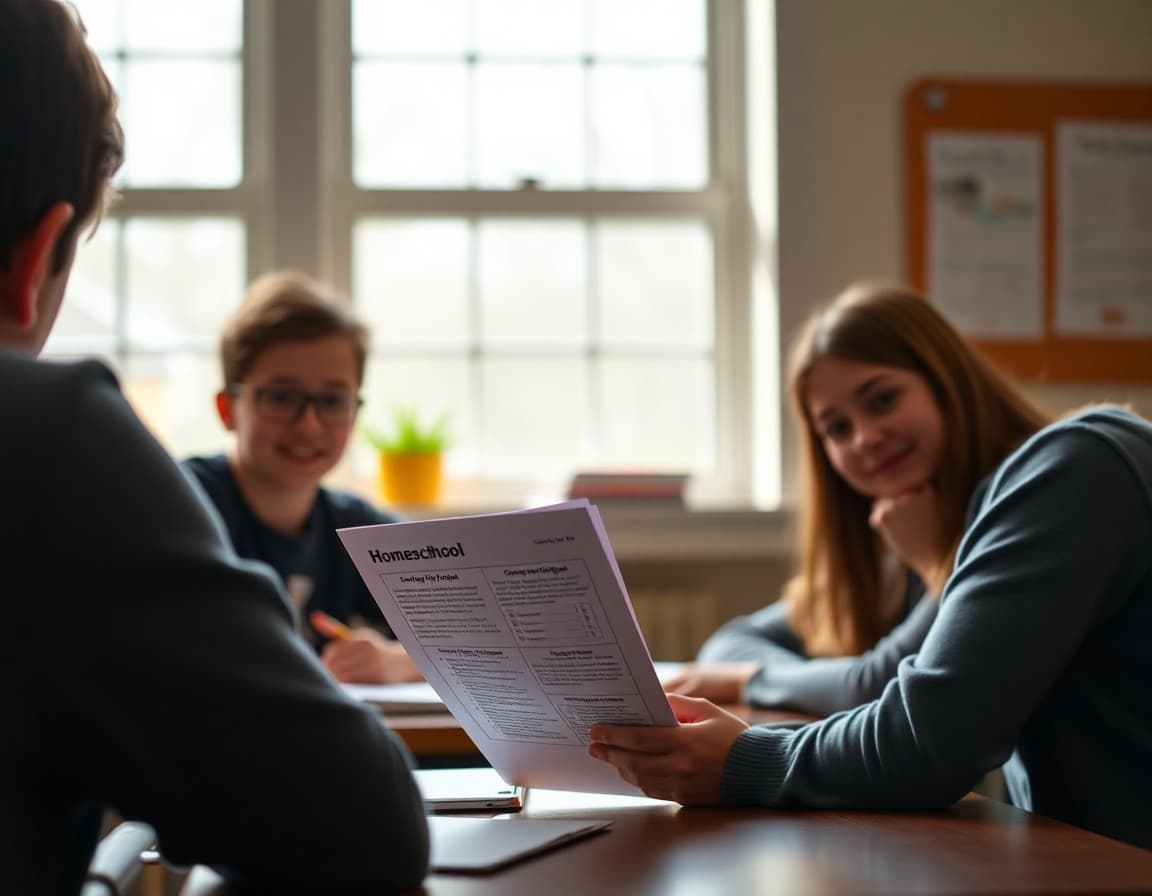
High school homeschooling is a different animal than elementary homeschooling. The academic work is more complex, the documentation requirements are more specific, the college preparation timeline has real deadlines, and the teenager's own sense of ownership over their education matters more than at any earlier stage. A newsletter for homeschool teens and their families needs to reflect all of those differences.
Address Students Directly, Not Just Parents
Elementary homeschool newsletters are written almost entirely for parents. By 9th or 10th grade, students should be included as primary readers. Write some sections directly to the student: "If you are a 10th grader, now is the time to start keeping a list of activities and any recognition you have received. You will need this list in two years when you start college applications." Treating teenagers as active participants in their own education rather than passive subjects of the newsletter builds the self-direction skills that college and career demand.
Cover Course Planning and Credit Tracking
High school homeschoolers need to accumulate the right mix of credits for graduation and college admission. A newsletter section covering credit requirements, which courses count toward which subject areas, and how the student's current year contributes to the four-year plan is genuinely useful for families who are not sure they are on track. Include a reminder of the typical credit requirements for college admission: 4 years English, 4 years math, 3-4 years science with lab, 3-4 years social studies, 2 years foreign language as a baseline.
Track Testing Milestones
Standardized testing timelines matter for homeschool teens planning for college. The newsletter should include testing schedule reminders, registration deadlines, and score goals appropriate to the student's college aspirations. First SAT or ACT attempts are best scheduled in spring of junior year, giving time for retakes. AP exam registration opens in fall for May exams. PSAT is typically taken in October of 10th or 11th grade. A clear testing calendar in the newsletter prevents families from missing important windows.
Document Extracurriculars Systematically
Homeschool teens often participate in a wide range of activities but fail to document them systematically. The newsletter is the ideal place to build this record. Note each activity by name, the student's role, the number of seasons or years of participation, any awards or recognition, and an estimated weekly time commitment. When college application time arrives, this documentation, built incrementally through four years of newsletters, makes the activity list section far easier to complete accurately.
Sample Newsletter Section
Homeschool High School Update - Spring Semester, Grade 11
Current Courses: American Literature (1 credit, English), Pre-Calculus via Derek Owens Online (1 credit, Math), Chemistry with Lab (1 credit, Science), American History (1 credit, Social Studies), Spanish 3 via co-op (0.5 credit, Foreign Language), Logic and Critical Thinking (0.5 credit, Elective)
Testing Reminders: PSAT registration for October test opens in September. SAT registration for the June test opens April 1. Target score goal discussion with parents recommended this month.
This Semester's Extracurriculars: Debate team (2nd year, meets weekly), Community theater spring production (cast member, rehearsals March-April), Library volunteer (monthly, ongoing since 9th grade)
College Planning: Second semester of 11th grade is the time to start building your college list. Aim for 8-12 schools by end of summer, including 2-3 safety schools where acceptance is likely based on current GPA and test scores.
Share Resources Designed for Self-Directed Teen Learners
Teens who are motivated to learn beyond the formal curriculum need resources that match their emerging intellectual maturity. A newsletter section recommending challenging books, online courses, dual enrollment opportunities, competitions, and summer programs signals that the education is not capped at the minimum requirement. MIT OpenCourseWare, Coursera, online dual enrollment, and summer residential programs at universities are all accessible to well-prepared homeschool high schoolers and deserve mention when relevant.
Address the Transition to Independence
One of the most important functions of a high school homeschool newsletter is helping families navigate the shift from parent-directed to student-directed learning. By 12th grade, students should be managing much of their own schedule, tracking their own deadlines, and identifying their own learning goals. A newsletter that describes what this independence looks like in practice, and gives families a staged approach to building it across four years, prepares both students and parents for the transition that college demands. Daystage's clean newsletter format is a good model for the kind of professional, self-directed communication that high school students are learning to manage on their own.
Get one newsletter idea every week.
Free. For teachers. No spam.
Frequently asked questions
How does a homeschool teen newsletter differ from elementary-level communication?
Teen newsletters address a different audience and different concerns. Rather than covering daily activity updates and developmental observations, they focus on high school course planning, transcript documentation, college or career preparation, extracurricular documentation, and the social and motivational realities of educating adolescents. The teen newsletter may also be written partly for the student themselves, not just the parent, since teenagers increasingly need to take ownership of their own educational planning.
What topics should a homeschool high school newsletter cover?
Cover current course work across all subjects, any independent study or self-directed projects the student is pursuing, extracurricular activities and their documentation for transcripts, college planning milestones relevant to the student's grade year, testing schedules for SAT, ACT, or AP exams, and any work or service opportunities the student is involved in. For co-op groups of teens, include upcoming presentations or events and any group collaborative projects.
How do I address the socialization question for homeschool teens in a newsletter?
Document social activities specifically. Rather than saying 'our teen is well socialized,' name the specific ways they interact with peers: debate team, community theater, co-op classes, sports, volunteer work, part-time jobs. A newsletter that shows a high school student engaged in multiple community contexts over the course of a year is the most effective response to the socialization question, and it serves the student as documentation for college applications at the same time.
Should the teen newsletter be sent to the student as well as the parent?
Yes, and this is increasingly important as students move through high school. By 10th grade, students should be receiving the newsletter directly and taking primary responsibility for tracking their own academic progress, course requirements, and deadlines. A newsletter that is sent to both students and parents, and that is written in part to speak directly to the student, models the kind of self-directed learning that colleges say they want in their applicants.
What newsletter tool works best for homeschool teen communication?
Daystage works well for teen newsletters because the clean, professional format signals seriousness to older students who might dismiss a more casual communication as not important. For co-ops offering courses to high schoolers, being able to track who has opened and read the newsletter is useful for ensuring that both students and parents are engaged with the content rather than assuming the information got through.

Adi Ackerman
Author
Adi Ackerman is a former classroom teacher and curriculum writer with 8 years in K-8 schools. She writes about school communication, parent engagement, and what actually works in real classrooms.
More for Homeschool
Homeschool College Prep Newsletter: Getting Teens Ready
Homeschool · 7 min read
Homeschool High School Transcript Newsletter: Communicating Coursework and Credits to Colleges
Homeschool · 6 min read
Homeschool Assessment and Portfolio Newsletter: How to Communicate Student Progress Without Letter Grades
Homeschool · 6 min read
Ready to send your first newsletter?
3 newsletters free. No credit card. First one ready in under 5 minutes.
Get started free