

Homeschool Portfolio Communication: Sharing Progress with Evaluators
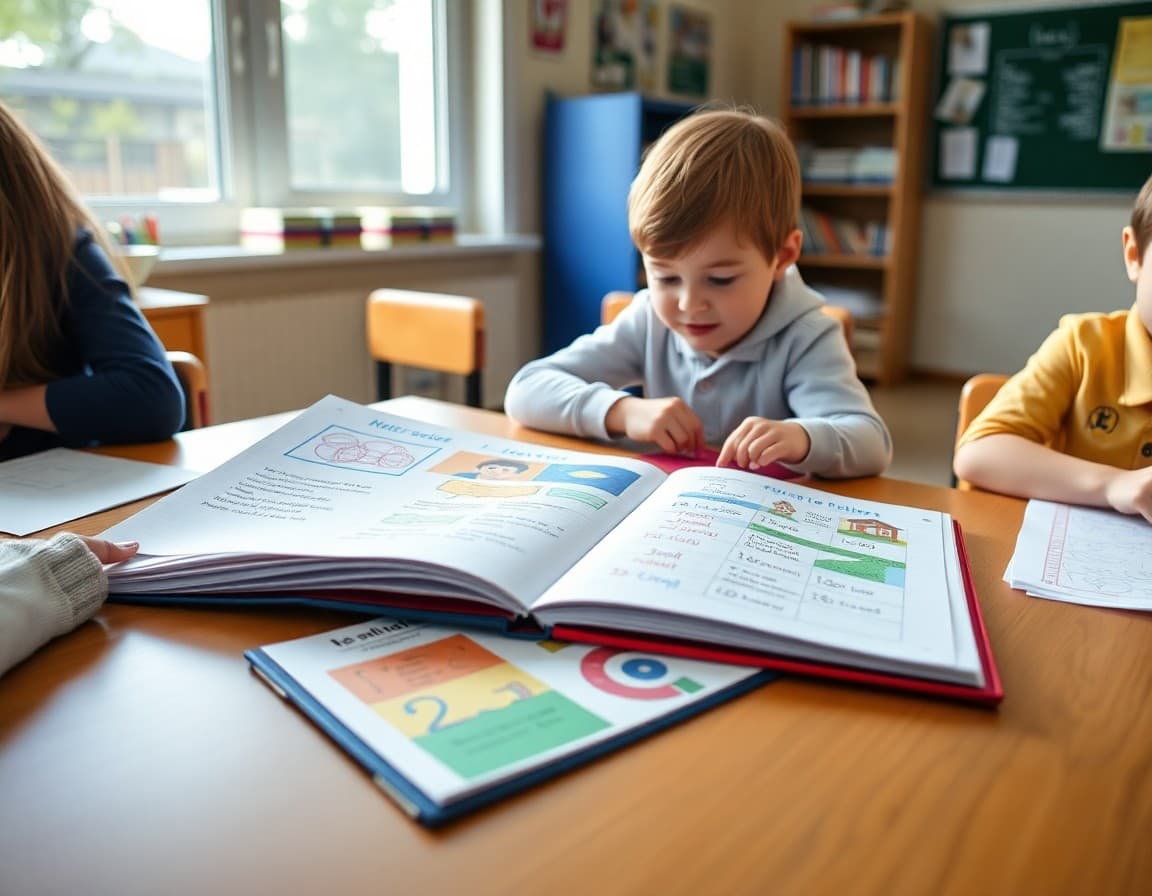
Portfolio communication is one of the most practically important tasks in homeschooling, and one that many parents underinvest in until the week before an evaluation. A well-organized portfolio with a clear narrative does not just satisfy the evaluator; it gives you a record of your child's development that you will value for years.
Know Your State's Requirements First
Portfolio requirements vary significantly by state. Some states require annual evaluation by a certified teacher. Some accept parent-maintained portfolios with no external review. Some require specific subject documentation. Before you build your portfolio, look up your state's exact requirements. The Home School Legal Defense Association maintains a state-by-state guide at hslda.org. Build to meet the requirement, then add what you want to include beyond that.
Organize by Subject, Not by Date
Evaluators and co-op families want to see what a child learned in math, writing, science, and other subjects, not a chronological journal of the year. Create a section for each subject area. Within each section, include a brief introduction: what curriculum or approach you used, what goals you set, and how your child progressed. Then include work samples that demonstrate that progression.
Select Work Samples That Show Progress
Three to five work samples per subject is typically sufficient. Choose samples that show the beginning and end of a progression rather than just your child's best work. A writing sample from September and one from April tells a much stronger story than two strong April samples. Include a mix of polished work and in-progress work to show the learning process.
Write the Portfolio Narrative
This is the part most parents dread and most evaluators value most. The narrative should be 1 to 2 pages and describe: your overall educational philosophy or approach this year, the subjects covered and curriculum used, specific highlights or breakthroughs, and any challenges and how you addressed them. Write in first person, simply and directly. "This year, we used Charlotte Mason methods as our primary framework. Emma covered all core subjects and completed a year-long nature study project that became the centerpiece of our science work." That is the tone.
How to Communicate Portfolio Progress to Your Co-op
Co-op communication is different from evaluator documentation. Co-op families are peers. A quarterly portfolio update to your co-op might include: one or two current projects, a reading list your child enjoyed, a challenge you navigated, and an ask for recommendations or ideas. This kind of informal, specific sharing is what builds real community in a homeschool group.
Sample Co-op Portfolio Update
"This fall, Emma focused heavily on reading and natural science. She finished the Narnia series and moved into the His Dark Materials trilogy. For science, she has been keeping a nature journal and completed 12 entries with detailed drawings. Math continues to be challenging; we switched from Saxon to Math-U-See in October and have seen better engagement. For January's co-op day, Emma is planning to share her nature journal. Happy to connect with anyone whose child is interested in a nature journal exchange."
Use Daystage for Co-op Newsletter Updates
If your homeschool group or co-op sends a regular newsletter, Daystage makes it easy to include portfolio-style updates from each family. The platform handles formatted newsletters with photos directly to family inboxes, which works much better than a group email chain for a community that relies on regular communication.
Get one newsletter idea every week.
Free. For teachers. No spam.
Frequently asked questions
What should a homeschool portfolio include?
A homeschool portfolio typically includes samples of the child's work across core subjects, a log of hours or days of instruction, any test results or assessments, a reading list, and a brief narrative from the parent describing the year's approach and the child's growth. What is required legally varies by state, so check your state's homeschool requirements first.
How do you write a portfolio narrative that an evaluator will find credible?
Be specific and honest. Describe what your child studied, how they approached learning, what they mastered, and where they are still developing. Include one or two specific examples. 'Emma began the year reading at a second-grade level and is now reading chapter books independently at a fifth-grade level' is more useful to an evaluator than 'Emma made great progress in reading.'
How do you communicate portfolio progress to your co-op or support group?
A brief quarterly update newsletter works well for co-ops. Share the subjects you covered, any projects completed, field trips taken, and highlights from your child's work. Keep it to one page. Co-op families benefit from seeing the variety of approaches and from the sense that they are learning alongside each other.
How do you organize a year's worth of work into a portfolio that is easy to review?
Organize by subject, with a cover sheet for each section that names the curriculum used and the goals for that subject. Include 3 to 5 work samples per subject, selected to show progression over time. A table of contents makes navigation easy for evaluators. Digital portfolios with clearly labeled folders work as well as physical binders.
What tool makes it easy to send portfolio updates to co-op families and support groups?
Daystage is built for school newsletter communication and works just as well for homeschool groups. You can send a formatted portfolio update with photos and text directly to every family in your co-op without them needing to log into a separate platform.

Adi Ackerman
Author
Adi Ackerman is a former classroom teacher and curriculum writer with 8 years in K-8 schools. She writes about school communication, parent engagement, and what actually works in real classrooms.
More for Homeschool
Homeschool Co-op Newsletter Guide: Keeping Member Families Informed and Engaged
Homeschool · 6 min read
Homeschool Assessment and Portfolio Newsletter: How to Communicate Student Progress Without Letter Grades
Homeschool · 6 min read
Homeschool Curriculum Newsletter: How to Share Your Curriculum Choices with Your Community
Homeschool · 5 min read
Ready to send your first newsletter?
3 newsletters free. No credit card. First one ready in under 5 minutes.
Get started free