
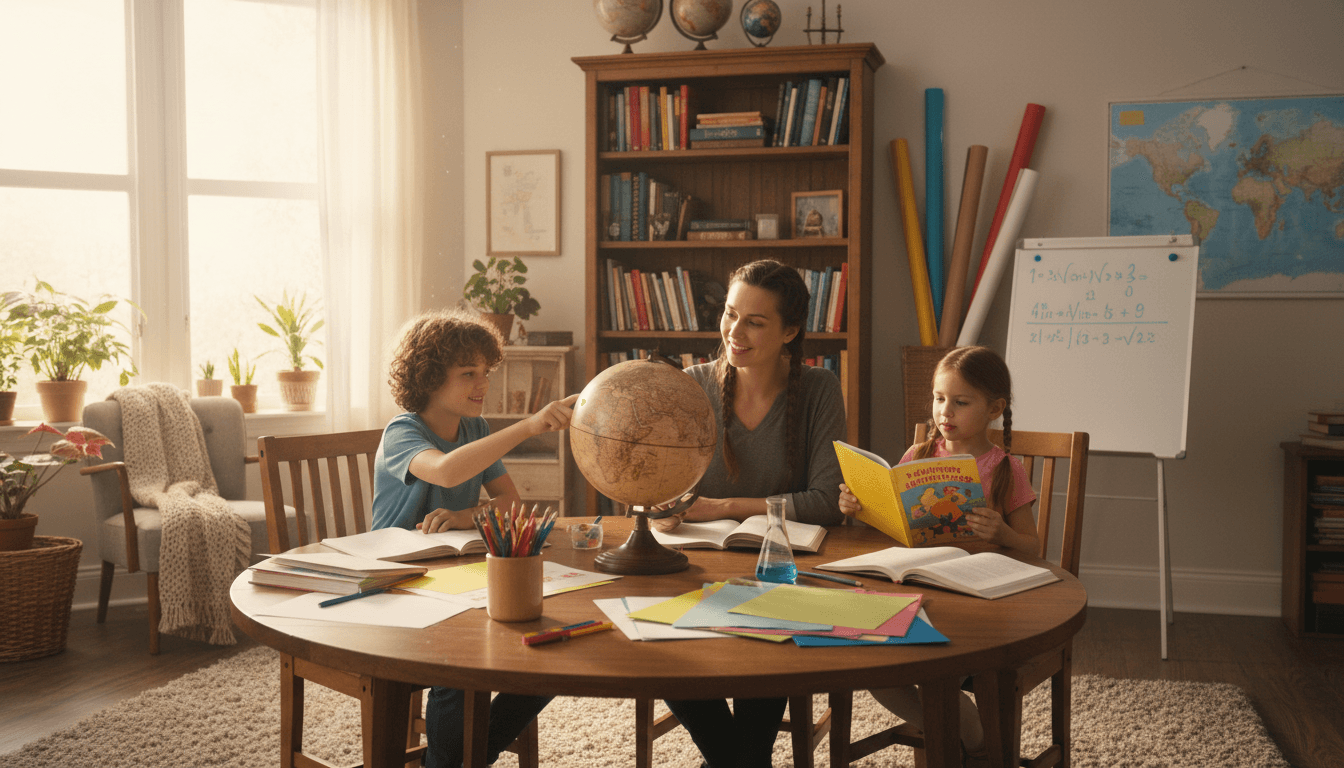
Homeschool Newsletter Guide: How to Communicate with Your Learning Community
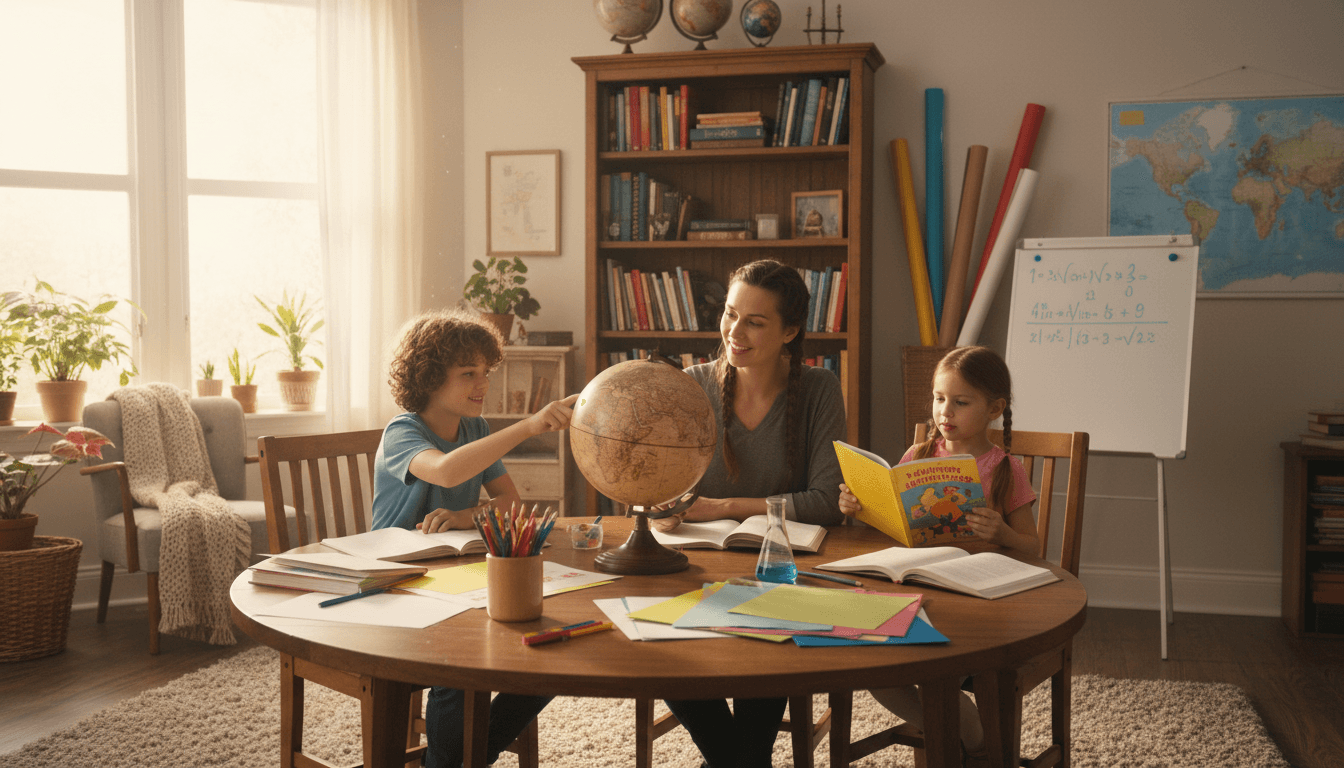
A homeschool newsletter does something that no curriculum guide or lesson plan can do: it creates a record of learning that has an audience beyond the family itself. When grandparents, friends, co-op families, and community partners receive a regular update on what your students are learning, you build accountability, connection, and a tangible archive of progress.
The newsletter is also one of the most underused tools in the homeschool communicator's kit. Most families either over-document (sending daily emails nobody reads) or under-document (sending nothing until the year-end portfolio panic sets in). A well-timed, focused newsletter finds the middle ground.
Know your audience before you write
The biggest mistake homeschool newsletter writers make is treating every subscriber the same. Grandparents want warmth and glimpses of the child. Co-op families want logistics and learning updates. Local homeschool network contacts want events and resources. You do not need three separate newsletters, but you do need to write with a primary audience in mind and acknowledge that others are reading.
A brief framing line at the top helps: "This week's update is for our co-op families. Extended family and friends, you are always welcome to read along." That single sentence manages expectations and makes everyone feel included without trying to serve every reader equally.
The four-section structure that works
Consistency beats creativity in newsletters. Readers who know where to find information engage more than readers who have to search. A reliable four-section format covers almost everything a homeschool newsletter needs: what we learned this week, what is coming next, a resource or recommendation, and a student highlight.
Each section can be as short as two sentences. The goal is not comprehensiveness. It is a clear, scannable update that takes under three minutes to read.
Documenting learning without sounding like a report card
Many homeschool families write newsletters that read like assessment reports: "Jaylen completed fractions chapter three and scored 87% on the unit test." This format serves compliance documentation but does little for relationship-building or community connection. Readers want to know what learning felt like, not just what was measured.
Try describing one specific learning moment from the week rather than summarizing all subjects. "Jaylen has been stuck on fraction division for two weeks. Yesterday she asked to use blocks instead of a pencil, and something clicked. She spent thirty minutes working through problems she had given up on the week before." That paragraph tells readers more about genuine learning than a test score ever could.
Building a subscriber list that stays engaged
Start with the people who already care: family members, co-op families, and close friends. Ask each new subscriber to confirm they want to receive the newsletter rather than adding everyone automatically. A smaller, actively engaged list is more valuable than a large one full of people who never open it.
Review your subscriber list twice a year. Remove addresses that consistently bounce or show no engagement. A clean, active list means your newsletters reach people who want them and your delivery metrics stay healthy.
When to send and how to keep the rhythm
Friday afternoon or Sunday evening works well for weekly newsletters because it either closes the week or opens the next one. Monthly newsletters land best in the first three days of the month when the current month is still fresh in readers' minds.
Set a repeating calendar reminder the day before your send date so the newsletter never falls off your task list. Write the draft during a quiet block in the week rather than scrambling the hour before you send. Even fifteen minutes of drafting time during the week produces a better newsletter than thirty rushed minutes right before it goes out.
Get one newsletter idea every week.
Free. For teachers. No spam.
Frequently asked questions
How often should a homeschool family send a newsletter?
Weekly newsletters work best for active co-ops and families documenting daily learning. Monthly newsletters suit smaller family groups or those with lighter communication needs. The key is consistency: families and students who receive a newsletter on a predictable schedule engage with it more than those who receive sporadic updates.
Who receives a homeschool newsletter?
The audience depends on your purpose. Family newsletters go to grandparents, extended family, and close friends who want to follow the child's learning journey. Co-op newsletters go to all member families and sometimes external accountability partners. Community newsletters go to local homeschool groups, libraries, and faith communities you partner with.
What content belongs in a homeschool newsletter?
Weekly learning highlights, upcoming topics or unit studies, resource recommendations, co-op meeting notes, field trip announcements, and student work samples all work well. Keep the newsletter focused on learning rather than logistics. Logistics can live in a separate email or message thread.
How do you make a homeschool newsletter feel personal rather than formal?
Write in the voice you use when you talk to other homeschool parents about your child's learning. Use the child's name, mention specific moments from the week, and include a short quote or observation from the student when possible. Authenticity is the defining quality of a great homeschool newsletter.
How does Daystage help homeschool families send newsletters?
Daystage is built for school newsletter communication and works equally well for homeschool families, co-ops, and hybrid programs. Families use it to maintain subscriber lists, send consistently formatted newsletters, and build a documented record of their learning community's communication.

Adi Ackerman
Author
Adi Ackerman is a former classroom teacher and curriculum writer with 8 years in K-8 schools. She writes about school communication, parent engagement, and what actually works in real classrooms.
More for Homeschool
Homeschool Budget and Resources Newsletter: Communicating Curriculum Costs and Free Learning Opportunities
Homeschool · 5 min read
Homeschool Extracurricular Activities Newsletter: Building a Well-Rounded Student Profile
Homeschool · 5 min read
Homeschool Math Curriculum Newsletter: Communicating Math Progress and Approach to Your Community
Homeschool · 5 min read
Ready to send your first newsletter?
3 newsletters free. No credit card. First one ready in under 5 minutes.
Get started free