

Homeschool Monthly Plan Newsletter: Sharing Your Learning Goals
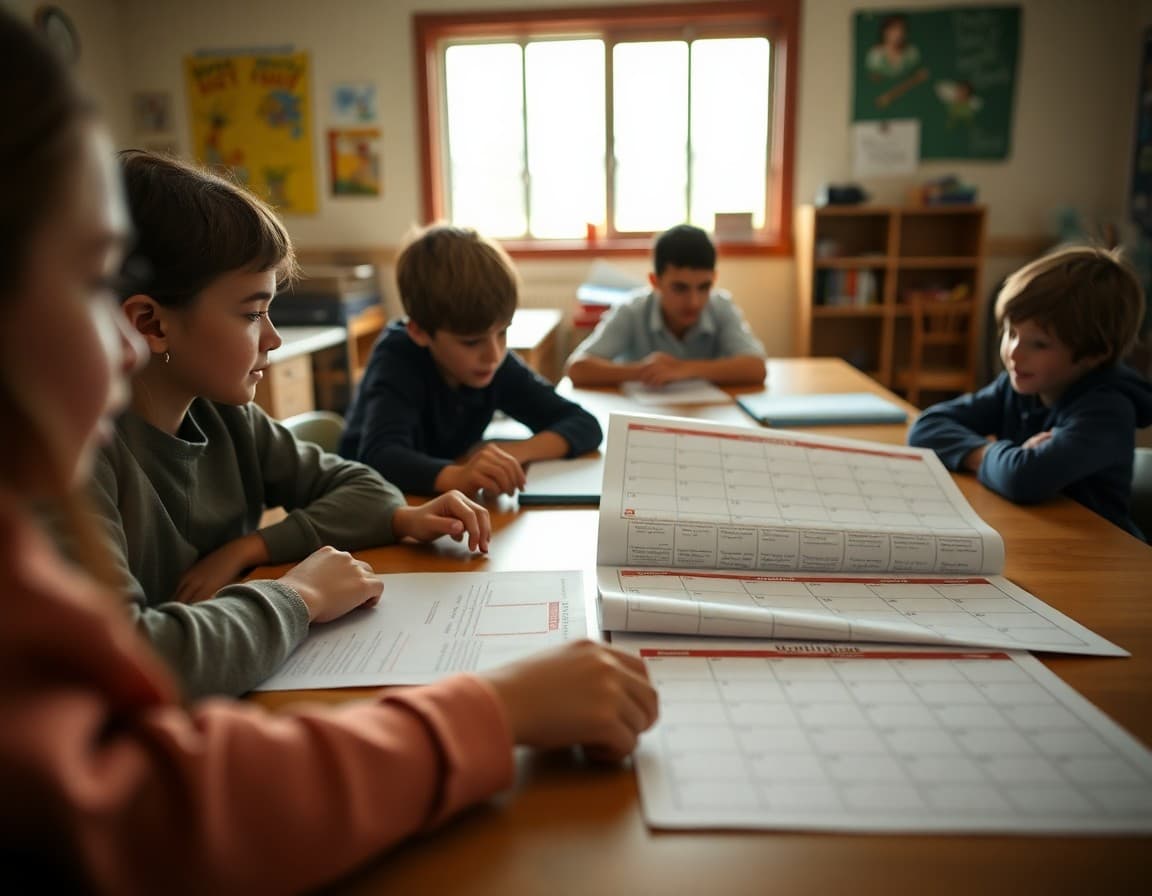
Most homeschool families have a general sense of what they want to accomplish this year. Far fewer have a clear picture of what they are committing to this month. A monthly plan newsletter bridges the gap between annual intentions and daily execution by forcing specific, realistic planning and creating a record of what you intended to accomplish versus what you actually did.
Start with a Reflection on Last Month
Before you plan the next month, briefly assess the previous one. What curriculum goals did you hit? What got pushed? What unexpected learning happened that was not in the plan? A one-paragraph retrospective at the opening of the newsletter builds honesty into the planning process and gives readers the context to understand why this month's goals are shaped the way they are. "We completed all planned math and language arts goals in October. Science Unit 3 got pushed to November because we spent extra time on the fossil dig project, which was worth it."
List Subject Goals Specifically
The heart of the monthly plan newsletter is a subject-by-subject goal list. For each subject, name the curriculum being used and the specific lessons, chapters, or units targeted for the month. "Math: complete lessons 24-35 in Saxon Math 5/4. Reading: finish Carry On, Mr. Bowditch and start The Door in the Wall. Writing: complete one five-paragraph essay from prewriting through final draft." Specific targets are evaluable. Vague goals like "continue progress in math" tell nobody anything useful.
Account for Your Actual Calendar
Monthly planning falls apart when families plan for 20 days of school in a month that has 4 school days plus a vacation, two sick days, and a co-op planning meeting. Pull out your calendar before writing the newsletter and count the realistic school days. List any major commitments that will affect daily school time. If you have a week-long family trip in February, plan for 12 school days in February, not 20.
Include Special Projects and Events
Monthly plans should cover more than curriculum lessons. If you have a co-op presentation, a science fair, a field trip, or a major project due this month, list it in the newsletter. Special projects often displace several days of regular curriculum work. Acknowledging them upfront prevents the frustration of a month where you feel behind because you did not account for how much time the culminating project would take.
Sample Monthly Plan Newsletter
November Learning Plan - The Thompson Family
Reflection on October: All reading goals met. Math was one lesson behind at month-end. The history living timeline project took longer than planned but was one of the best projects we have done. Pushed science Unit 3 to November.
November school days: 17 (accounting for Thanksgiving week off and the HSLDA convention on the 5th)
Math: Complete lessons 28-44 in Math-U-See Gamma. Final review for Unit 3 test by November 15.
Language Arts: Finish reading Tuck Everlasting. One new grammar unit (adverbs). Two short writing assignments: a book response and one free-choice piece.
Science: Complete Unit 3 (Earth's Layers) and start Unit 4 (Weather). Weather unit ties into our outdoor observations this month.
History: American Revolution chapters 5-8. Primary source journal project due at co-op on November 20.
Special projects: Co-op presentation November 20. Start planning December portfolio review by end of month.
Flag Areas That Need Extra Attention
If a student is struggling in a particular subject or if a unit is historically challenging for your child's learning style, flag it explicitly in the monthly plan newsletter. "Multiplication facts have been slow to stick. We are adding daily five-minute practice for all of November and adjusting the lesson pace to allow more mastery time before advancing." This kind of honest assessment prevents denial and gives accountability partners something specific to follow up on.
End with an Open Question
Close the monthly newsletter with one genuine question you are sitting with as a homeschool educator. "We have been debating whether to continue with our current history curriculum or switch to a more narrative approach. Thoughts?" or "I am not sure we are doing enough writing for my 10-year-old. How much do others find works at this age?" These questions invite real conversation from accountability partners or co-op families and turn the newsletter from a one-way broadcast into a genuine exchange. Daystage makes it easy to set up a simple reply mechanism so families can respond directly from the newsletter email.
Get one newsletter idea every week.
Free. For teachers. No spam.
Frequently asked questions
What is a homeschool monthly plan newsletter?
A homeschool monthly plan newsletter is a proactive communication that shares what you intend to teach and accomplish in the coming month, rather than a recap of what already happened. It serves as both a planning document for the homeschool parent and a communication tool for co-op partners, accountability groups, and extended family members who want to stay informed about what the student is learning.
What should a monthly plan newsletter include?
Cover the learning goals for each subject, specific curriculum or resource being used, any special events, field trips, or projects planned for the month, estimated completion targets, and any areas that need extra attention based on the previous month's progress. Including a reflection on the previous month's plan, noting what was completed versus what was pushed forward, builds accountability and shows that the planning process is iterative rather than wishful thinking.
How do I make monthly goals realistic in a newsletter?
Start by reviewing how many school days you realistically have in the month, accounting for holidays, appointments, and the fact that most homeschool families lose two to three days per month to unexpected disruptions. Divide your curriculum tasks across the actual available days. If you have 16 school days in the month and a math curriculum with 20 lessons, completing 16 lessons is realistic. Planning 20 and completing 16 feels like failure even though the pace is correct.
How does a monthly newsletter differ from a portfolio or transcript?
A monthly newsletter is forward-looking and informal. A portfolio documents completed work as evidence of learning, and a transcript summarizes cumulative academic achievement for official purposes. The monthly newsletter shares intentions and recent progress in a conversational format. The three documents serve different audiences at different times: newsletters for ongoing communication, portfolios for end-of-year assessment, transcripts for official records.
What newsletter tool works best for monthly planning communication?
Daystage is a good choice because you can build a consistent monthly template that you update each month rather than creating a new document from scratch. The professional appearance also matters when you are sharing plans with accountability partners or extended family who may be skeptical about homeschooling. A polished, specific monthly plan newsletter reassures skeptics that the education is intentional and organized.

Adi Ackerman
Author
Adi Ackerman is a former classroom teacher and curriculum writer with 8 years in K-8 schools. She writes about school communication, parent engagement, and what actually works in real classrooms.
More for Homeschool
Homeschool Curriculum Newsletter: How to Share Your Curriculum Choices with Your Community
Homeschool · 5 min read
Homeschool Assessment and Portfolio Newsletter: How to Communicate Student Progress Without Letter Grades
Homeschool · 6 min read
Homeschool Accountability Newsletter: Staying on Track Together
Homeschool · 6 min read
Ready to send your first newsletter?
3 newsletters free. No credit card. First one ready in under 5 minutes.
Get started free