
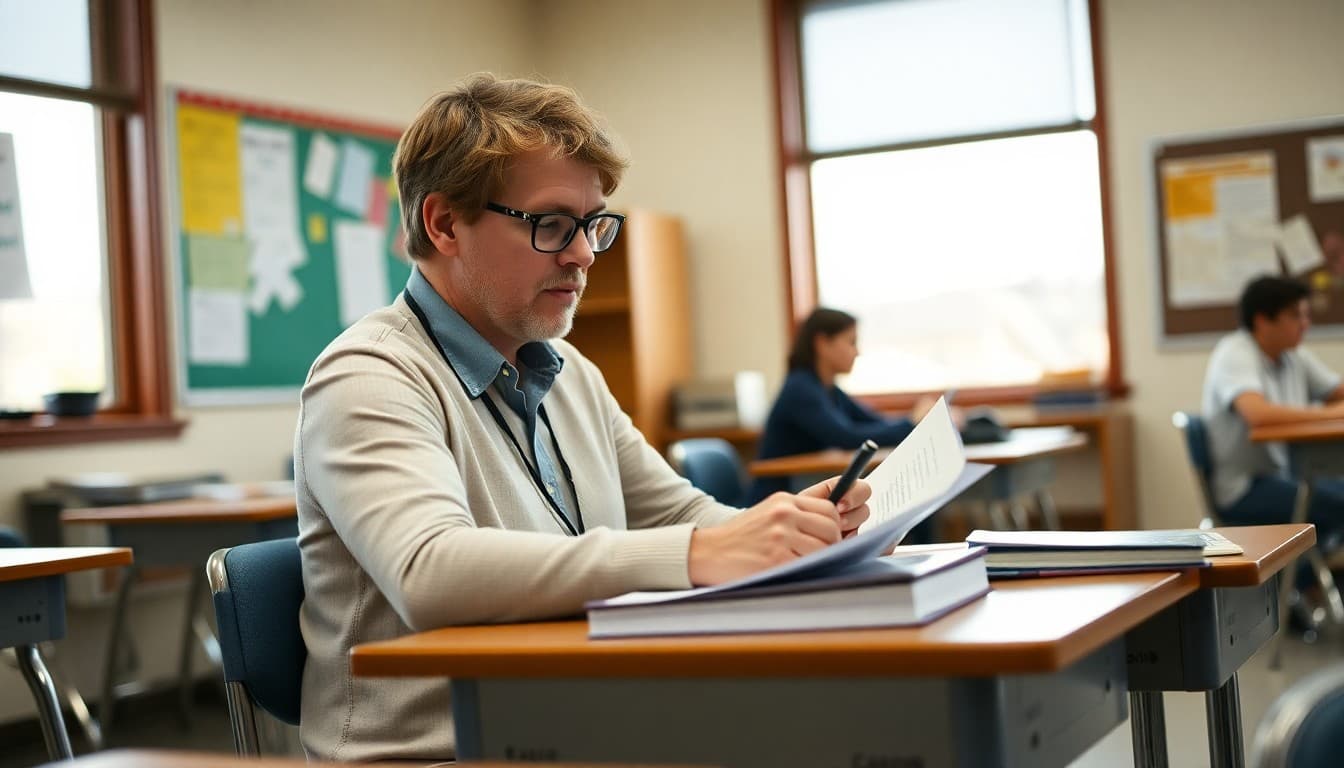
Wisconsin High School Newsletter Guide for Teachers
Wisconsin high school teachers already carry a full load: lesson planning, grading, department meetings, and state assessment prep. Adding a parent newsletter to that list sounds like one more task. But a well-structured newsletter, sent consistently, actually reduces the number of individual parent emails and phone calls you handle each week. This guide covers what to include, how often to send, and what makes Wisconsin families respond.
Why Wisconsin High Schools Benefit from Consistent Newsletters
Wisconsin's Department of Public Instruction places a strong emphasis on family-school partnerships as part of its Every Student Succeeds Act (ESSA) plan. Schools that communicate proactively with families tend to see better attendance, higher homework completion rates, and stronger parent turnout at parent-teacher conferences. For high school specifically, parents often feel disconnected once students enter ninth grade. A newsletter is the most practical way to stay connected without requiring face-to-face time neither party has.
How Often to Send
Biweekly works for most Wisconsin high school classrooms. That means roughly 16 newsletters per school year if you follow the 180-day calendar. Monthly newsletters are acceptable for AP or dual-enrollment courses where parents are already heavily engaged. Weekly newsletters, while thorough, tend to get skimmed or ignored by busy families. Pick a consistent day -- Friday afternoon or Sunday evening -- and stick to it so parents know when to expect yours.
What to Include in Each Issue
Keep each newsletter to four or five sections. A reliable structure for Wisconsin high school teachers looks like this: a short "What we're studying" paragraph, a list of upcoming tests and due dates, grade-check or tutoring schedule, any college or career deadlines relevant to the grade level, and one resource or community event link. That structure takes about 20 minutes to fill out once you have a template set.
A Template Section That Works
Here is an example of the "What's Coming Up" section that transfers across subjects:
"Week of December 16: We finish Unit 4 on Thursday with an in-class essay (no outside prep needed). The Unit 5 reading packet goes home Friday -- students have until January 6 to complete Part 1. Office hours: Tuesday and Thursday, 3:00-4:00 PM in Room 214. Grade check for quarter two closes December 19."
Parents can read that in 30 seconds and know exactly what their student needs to do. Specificity is what separates useful newsletters from ones that get deleted.
Addressing Wisconsin's Multilingual Families
Milwaukee Public Schools, Madison Metropolitan, and Green Bay Area Public Schools each serve large Hmong, Spanish, and Somali-speaking communities. Even if you teach in a smaller district, chances are your building includes families for whom English is a second language. Writing at an eighth-grade reading level, avoiding education jargon, and offering a Spanish or Hmong summary of the most important dates dramatically expands who your newsletter actually reaches. Many Wisconsin districts have translation services available -- check with your main office before translating on your own.
Grade-Specific Content by Year
Ninth graders and their parents need credit-count explanations and GPA basics. Tenth graders benefit from information about PSAT preparation and course selection for junior year. Juniors need ACT prep reminders and early college deadlines. Seniors need scholarship deadlines, transcript request instructions, and graduation requirements spelled out clearly. Segment your newsletter content by what the grade level actually needs right now, not generic high school information.
Handling FERPA and Privacy in Wisconsin
Never include individual student names or grades in a mass newsletter. Wisconsin high schools follow FERPA just like any other state, and a newsletter that inadvertently discloses student performance data -- even in a "class average" framed in a way that identifies individuals -- creates compliance risk. Stick to class-wide information: upcoming topics, policies, and schedules. Individual academic updates belong in the gradebook portal or a private email.
Getting Parents to Actually Open It
Subject lines matter. "November Newsletter from Ms. Kowalski's English 11" gets ignored. "3 dates to know before Thanksgiving break -- English 11" gets opened. Try subject lines that preview the most time-sensitive piece of information in the newsletter. Keep the newsletter itself short enough to read in three minutes on a phone. Most Wisconsin parents are reading school emails during a work break or in the school pickup line -- design for that context.
Get one newsletter idea every week.
Free. For teachers. No spam.
Frequently asked questions
How often should Wisconsin high school teachers send newsletters?
Most Wisconsin high school teachers send newsletters every two weeks during the semester. Monthly newsletters work for subject-area teachers with lighter communication loads, but biweekly keeps parents current on grade-level expectations, assignment calendars, and upcoming assessments without overwhelming inboxes.
What should a Wisconsin high school newsletter include?
Cover the current unit of study, upcoming tests or projects, grade-check reminders, college and career deadlines (for juniors and seniors), and any school policy updates. Wisconsin schools under DPI guidance also benefit from including information about community resources and student support services.
How do I handle newsletters for multilingual families in Wisconsin?
Wisconsin's multilingual student population is significant, especially in Milwaukee, Madison, and Green Bay school districts. Use plain language at an eighth-grade reading level, offer Spanish or Hmong translations for common sections, and include a contact phone number alongside the email address so non-English-speaking parents can call for clarification.
Can high school newsletters help with attendance and grades?
Yes. Newsletters that include specific grade-check dates, tutoring schedules, and office-hour reminders consistently correlate with improved attendance at those sessions. When parents know the date a major project is due three weeks in advance, they can plan ahead and remind students at home.
What tool works well for Wisconsin high school newsletter distribution?
Daystage is built for school newsletter distribution and works well for Wisconsin high school teams. Teachers can build a professional-looking newsletter in minutes, send it to parent email lists, and track who opened it without needing a separate marketing tool or IT support.

Adi Ackerman
Author
Adi Ackerman is a former classroom teacher and curriculum writer with 8 years in K-8 schools. She writes about school communication, parent engagement, and what actually works in real classrooms.
More for High School
Ready to send your first newsletter?
3 newsletters free. No credit card. First one ready in under 5 minutes.
Get started free