

10th Grade Report Card Newsletter: How to Communicate Grades to Sophomore Parents
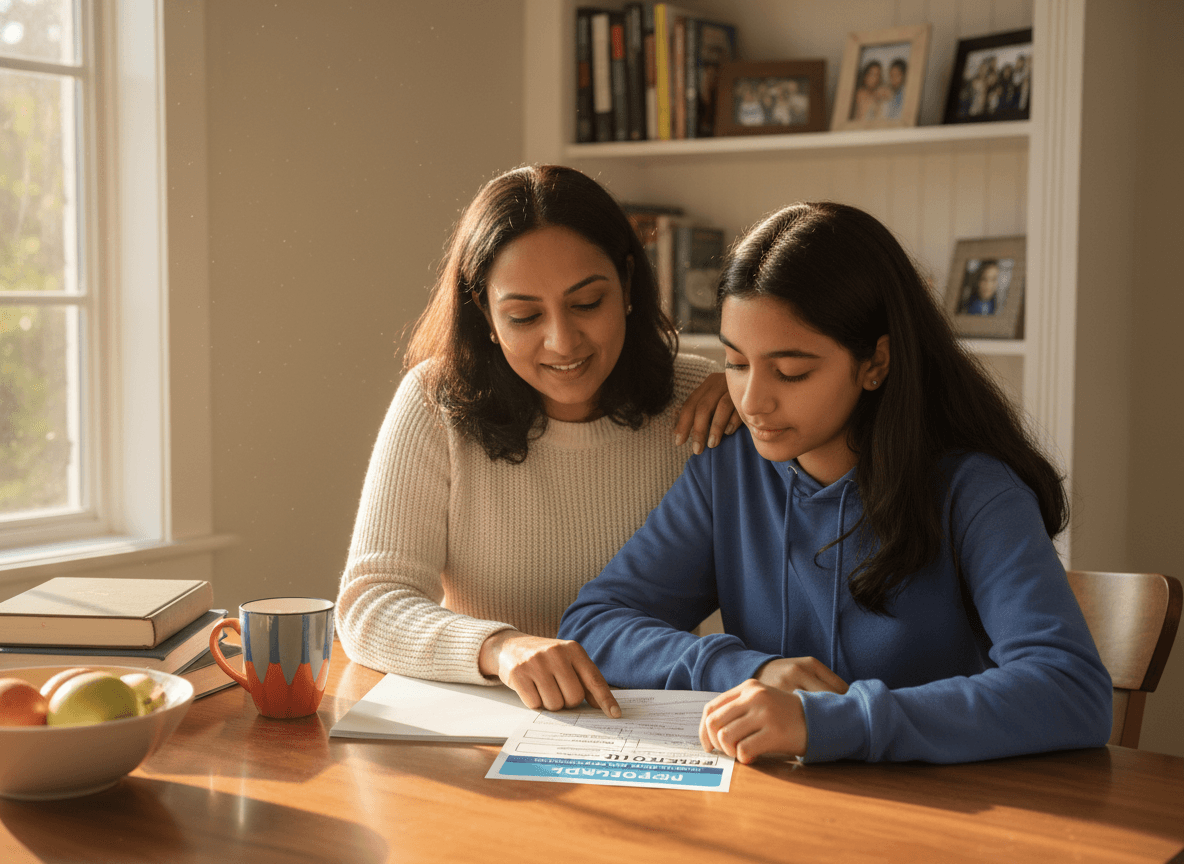
Report cards are one of those moments when a little context goes a long way. Parents of 10th graders see a list of letter grades and numbers and often lack the background to interpret what they mean for their student's academic future. A well-timed report card newsletter fills that gap. It does not excuse low grades or inflate good ones. It gives parents the information they need to have a useful conversation with their student and, if necessary, take action.
Why Report Card Context Matters in 10th Grade
By sophomore year, grades start to carry real weight. A strong 10th grade GPA positions a student for AP and honors courses in 11th grade. A rough semester can narrow those options. Parents who understand this are better equipped to respond appropriately to what they see on a report card, whether that means celebrating progress or addressing a concern before it compounds.
Many parents also do not understand the difference between weighted and unweighted GPA, how grade point calculations work across course types, or what a semester's impact on a cumulative GPA actually looks like. Your newsletter is the right place to explain this, clearly and once, so parents stop guessing.
What to Include in a Report Card Newsletter
A report card newsletter does not need to be long. The most effective ones include four elements. First, a brief acknowledgment of what this grading period covered and what the class worked through. Second, a plain-language explanation of how grades in your course are calculated, including the weighting of homework, quizzes, projects, and exams. Third, context about what a strong performance looks like versus a grade that warrants attention. Fourth, clear next steps for parents whose students are struggling.
You do not need to personalize this newsletter for each student. The goal is to give all parents the context they need so that the report card itself does the individual work. Your newsletter frames the data.
How to Frame a Strong Grade Report
When grades are generally strong, your newsletter can acknowledge this without being dismissive of the effort it took. Note what skills students demonstrated, what they can build on in the coming semester, and where the curriculum goes next. A positive report card newsletter is still informative. It tells parents what their student actually learned, not just that they earned an A.
For parents whose students earned strong grades, a note about what comes next, like honors or AP options for junior year or any academic enrichment opportunities, gives them a productive direction to look toward.
How to Frame a Difficult Grade Report
A newsletter that follows a hard report card requires more care. Be direct without being harsh. Avoid hedging language that obscures the actual problem. "Some students found this unit challenging" is not as useful as "The final exam covered material from the first eight weeks, and students who struggled often had gaps in the foundational concepts from Unit 2."
Let parents know what options exist. Tutoring, office hours, grade recovery policies, and parent-teacher meetings are all worth naming. If your school has a specific process for academic intervention, describe it briefly. Parents who receive a difficult grade report want to know what to do, not just what went wrong.
GPA and College Awareness at the 10th Grade Level
College is not imminent for 10th graders, but it is no longer distant either. A brief section of your report card newsletter that contextualizes GPA in terms of college readiness is genuinely useful for parents who are starting to think about this. Keep it proportionate. You do not need to outline the entire college application process. A few sentences noting that 10th grade GPA is part of the cumulative transcript that colleges see, and that course rigor matters alongside grades, gives parents enough to work with.
Avoid creating unnecessary anxiety. The message should be informative, not alarming. Most sophomore students have time to course-correct if they are struggling, and parents need to hear that too.
Inviting Parent-Teacher Meetings
Your report card newsletter is the ideal place to invite parents to meet if they want to discuss their student's performance. Make this invitation easy to act on. Include a link to a scheduling tool or a specific email address. Tell parents what to expect in the meeting: how long it will take, what you will cover, and whether the student should attend. A clear and low-friction invitation gets more responses than a vague "please feel free to reach out."
For students who are genuinely at risk of failing or losing credit, consider reaching out individually rather than waiting for parents to come to you. The newsletter reaches the whole class. Proactive contact for students in serious academic difficulty is a different, more urgent conversation.
Tutoring and Support Resources
Close your report card newsletter with a list of available academic support. This can include your own office hours, school tutoring programs, free online resources like Khan Academy, and any school-provided study halls or academic support periods. Parents who know these resources exist are far more likely to use them than parents who have to hunt for the information on their own. A short, scannable list is all you need.
Get one newsletter idea every week.
Free. For teachers. No spam.
Frequently asked questions
When should I send a report card newsletter to 10th grade parents?
Send your report card newsletter on the same day or the day after grades are officially released. Parents who receive context alongside the report card are much less likely to react with confusion or alarm. If you send it days later, parents may have already formed strong opinions about what they saw.
How do I explain GPA to 10th grade parents who are not familiar with how it works?
Keep it simple and practical. Explain that GPA is a running average of all courses weighted by credit hours, and that a single semester can raise or lower it, but not dramatically. For parents whose students are aiming for competitive colleges, it is worth noting that most colleges look at the full four-year transcript, not just one grading period. Avoid jargon and give them one or two concrete next steps if the GPA needs attention.
What should I say if many students in the class received low grades?
Be honest and professional. Acknowledge that the assessment was challenging, explain what skills it measured and why those skills matter, and describe what support you are offering going forward. Avoid making excuses or over-explaining. Parents generally trust teachers who communicate transparently about difficulty rather than around it.
How do I handle a parent who is upset about their student's grade?
Your newsletter can preemptively address common concerns by explaining grading criteria and how grades were calculated. Invite parents who have specific questions to schedule a meeting rather than leaving them to stew. When you do meet, come with documentation, the grade breakdown, assignment scores, and any attendance data, and keep the conversation focused on what the student can do next.
What newsletter tool works best for high school teachers?
Daystage makes it easy to send a professional, well-organized report card newsletter without spending time on formatting. You can include links to parent-teacher meeting sign-ups, embed relevant dates, and schedule the newsletter to go out the same day grades post. Teachers use it to stay consistent even during the busiest weeks of the semester.

Adi Ackerman
Author
Adi Ackerman is a former classroom teacher and curriculum writer with 8 years in K-8 schools. She writes about school communication, parent engagement, and what actually works in real classrooms.
More for High School
10th Grade Parent Communication Guide: What to Send Sophomore Parents All Year
High School · 7 min read
10th Grade Math Progress Newsletter: How to Communicate Geometry or Algebra 2 Progress to Parents
High School · 6 min read
10th Grade Reading Level Newsletter: How to Communicate Literacy Progress to Sophomore Parents
High School · 6 min read
Ready to send your first newsletter?
3 newsletters free. No credit card. First one ready in under 5 minutes.
Get started free