
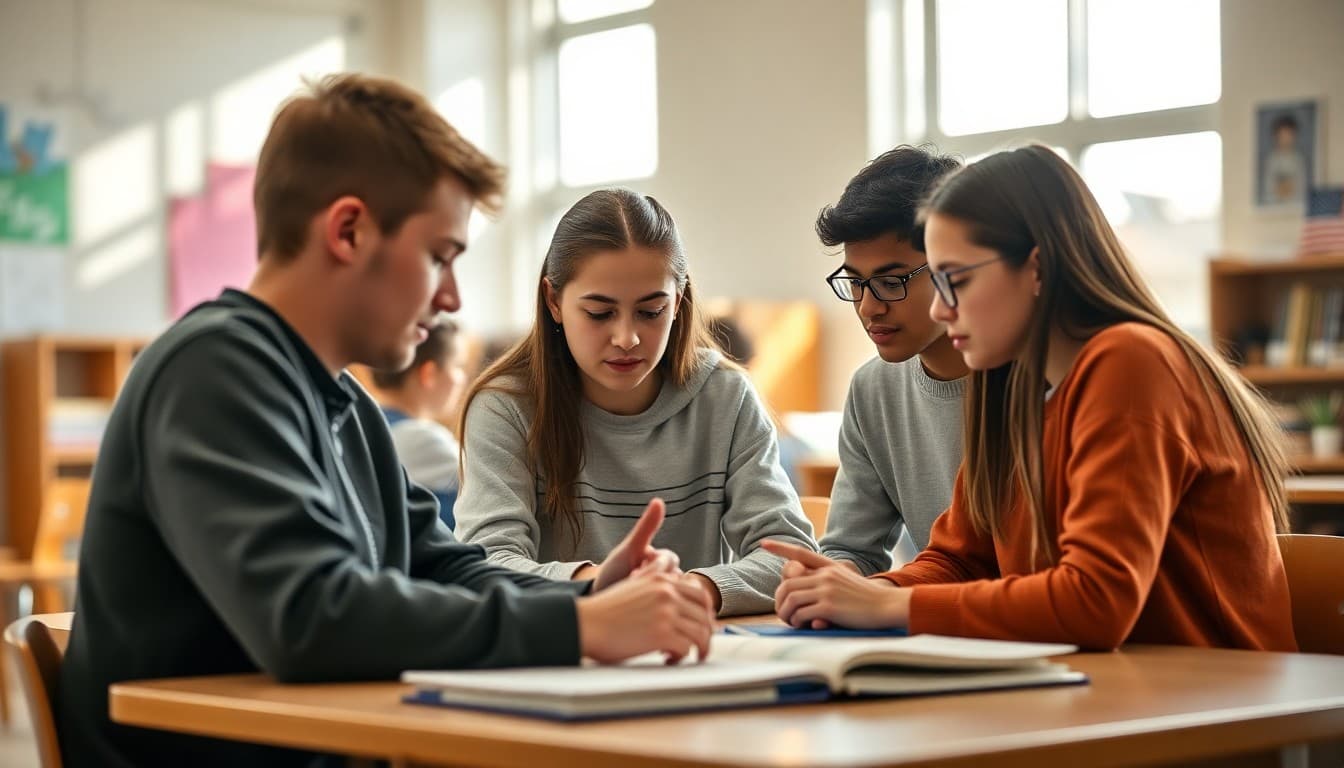
10th Grade Classroom Community Newsletter: Building Belonging Together
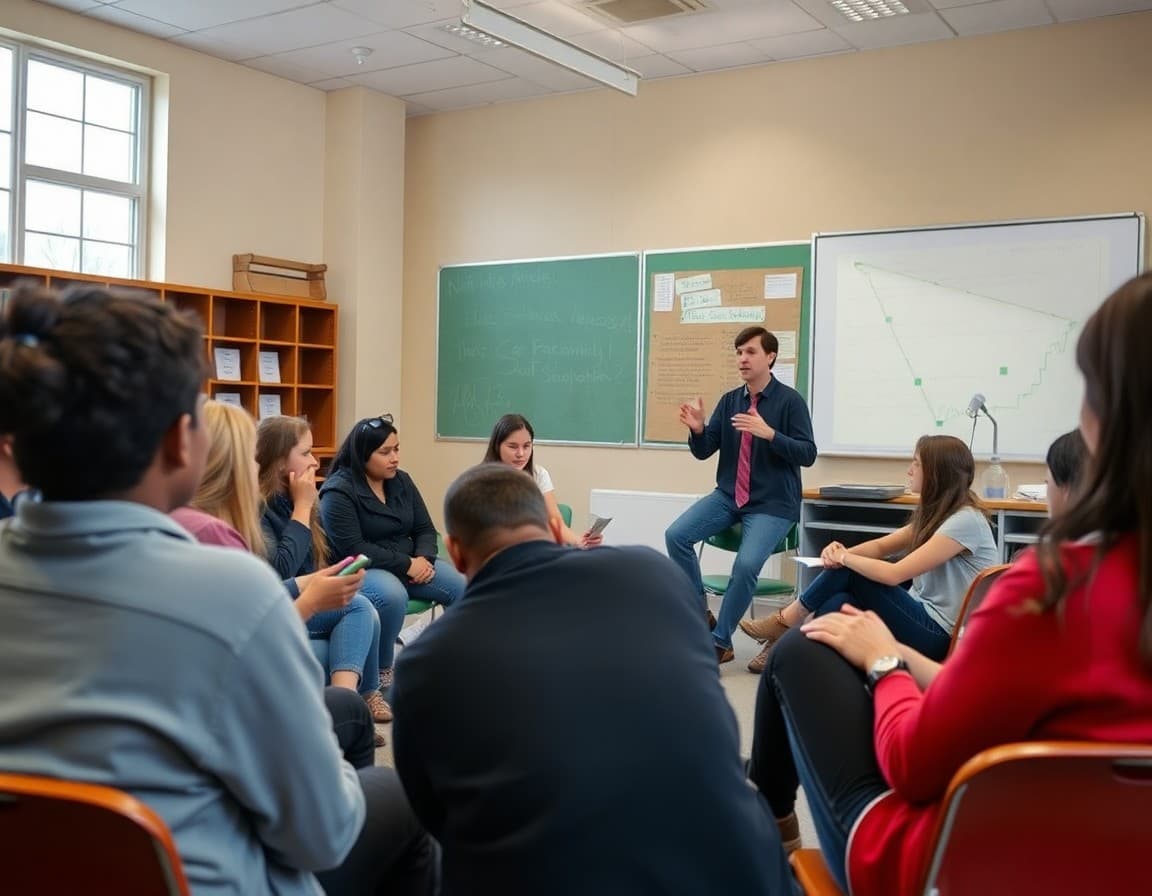
Tenth grade is when students settle into patterns: who they sit with, who they speak up for, who they tune out. A teacher who builds classroom community in 10th grade is not just creating a pleasant environment. They are building the intellectual culture that determines how much learning actually happens over the course of the year. A family newsletter that communicates this work and invites families in is worth sending.
Describe Your Community-Building Approach
Tell families what you are doing deliberately to build community. If you open class with a discussion protocol, use community circles monthly, or run structured group work with rotating roles, name it. Families who understand that these structures are intentional are more likely to see them as valuable rather than as wasted class time. Explaining the 'why' turns a vague activity into a recognizable practice.
Define What Intellectual Community Means in Your Class
A classroom community in 10th grade is not just about students being nice to each other. It is about students taking each other's ideas seriously. In your newsletter, share the specific expectations you hold: students are expected to engage with what a classmate has said before offering their own idea. Students who disagree must explain why. Students who build on another student's point by name are modeling exactly the kind of discourse the class values.
Share a Recent Classroom Highlight
Make the community visible. A specific example from the past month is more compelling than any general description. 'Last week, a student made an argument about the protagonist that I had not heard in fifteen years of teaching this book. Three students disagreed, two agreed, and we spent twenty minutes in the most productive argument the class has had all year.' That kind of narrative makes community feel real to families who only hear 'we did a discussion.'
Address the Challenge of Mixed-Ability Dynamics
Tenth grade classes often include students with very different academic profiles sitting together. Some families worry that their advanced student is slowed down by group work, while others worry their student is invisible in discussions dominated by a few voices. Your newsletter should explain how you manage these dynamics: structured discussion protocols, assigned roles, participation tracking, and strategies for drawing in quieter voices.
Describe How Conflicts Are Resolved in Your Classroom
Tell families your process. When two students have a conflict that affects the classroom, what happens? Are you involved immediately or after students try to resolve it themselves? Is there a restorative process? What is the teacher's role versus the counselor's role? Families who know this process trust it more than families who assume conflicts are either ignored or escalated to punishment.
Sample Newsletter Section on Classroom Community
Here is copy you can adapt:
"One thing I want families to know about our class: we spend real time on how we discuss ideas together, not just what ideas we discuss. This month we introduced Socratic seminar, where students lead the conversation and I do not speak unless there is a procedural breakdown. Last Friday's seminar ran for 38 minutes with zero teacher intervention. The students drove it entirely. Ask your student what argument surprised them most."
Give Families a Concrete Home Practice
Share one specific thing families can do. Ask their student at dinner: 'what was the most interesting thing someone said in class this week that you disagreed with?' That question builds the habit of listening to opposing views as intellectually interesting rather than threatening. Students who practice this at home bring it to class.
Mention Your Class's Community Goals for the Rest of the Year
End with a forward-looking note. What community skills are you working toward in the second half of the year? Better peer feedback? More student-led discussion? Cross-group collaboration projects? Families who know what is coming can support the development at home. Students who hear their family ask about something they are actively working on in class feel seen in a way that builds engagement.
Get one newsletter idea every week.
Free. For teachers. No spam.
Frequently asked questions
Why does classroom community still matter in 10th grade?
By 10th grade, students have settled into social groups, which can create in-class dynamics that undermine participation and collaboration. Students who do not feel safe in the classroom take fewer intellectual risks. A teacher who actively builds community in 10th grade enables the kind of open discussion and peer learning that marks strong academic classes.
How is 10th grade classroom community different from 9th grade?
In 9th grade, community building is about helping students navigate a new environment. In 10th grade, it shifts toward building intellectual community: a culture where students engage seriously with each other's ideas, challenge respectfully, and value effort over performance. These habits are the foundation for AP coursework in 11th and 12th grade.
How often should I send a classroom community newsletter to 10th grade families?
Monthly is enough for community-specific content. Most classroom community updates work well embedded in your regular weekly or bi-weekly newsletter as a short section rather than a separate send. The key is to mention community intentionally at least once a month so families understand it is a real priority, not just a first-week orientation exercise.
What can 10th grade families do to reinforce classroom community values at home?
Ask their student about what they are reading and thinking, not just what their grade is. Ask about a classmate whose perspective was interesting. Encourage their student to share opinions out loud at home, with the expectation that family members may disagree and engage. Intellectual conversation at home builds the confidence students need to participate in class.
What is the best platform for sending classroom community newsletters to 10th grade families?
Daystage works well because it supports text, photos, and links in one clean newsletter. You can include student spotlights with permission, link to class projects, and schedule a monthly send without rebuilding from scratch each time.

Adi Ackerman
Author
Adi Ackerman is a former classroom teacher and curriculum writer with 8 years in K-8 schools. She writes about school communication, parent engagement, and what actually works in real classrooms.
More for High School
10th Grade Behavior Newsletter to Parents: How to Communicate Constructively with Sophomore Families
High School · 6 min read
Tenth Grade Back to School Newsletter: Starting Sophomore Year Right With Family Communication
High School · 7 min read
10th Grade Classroom Newsletter Ideas: What Sophomore Teachers Should Communicate All Year
High School · 7 min read
Ready to send your first newsletter?
3 newsletters free. No credit card. First one ready in under 5 minutes.
Get started free