

Teacher Newsletter for Wrestling Season: What Parents Should Know
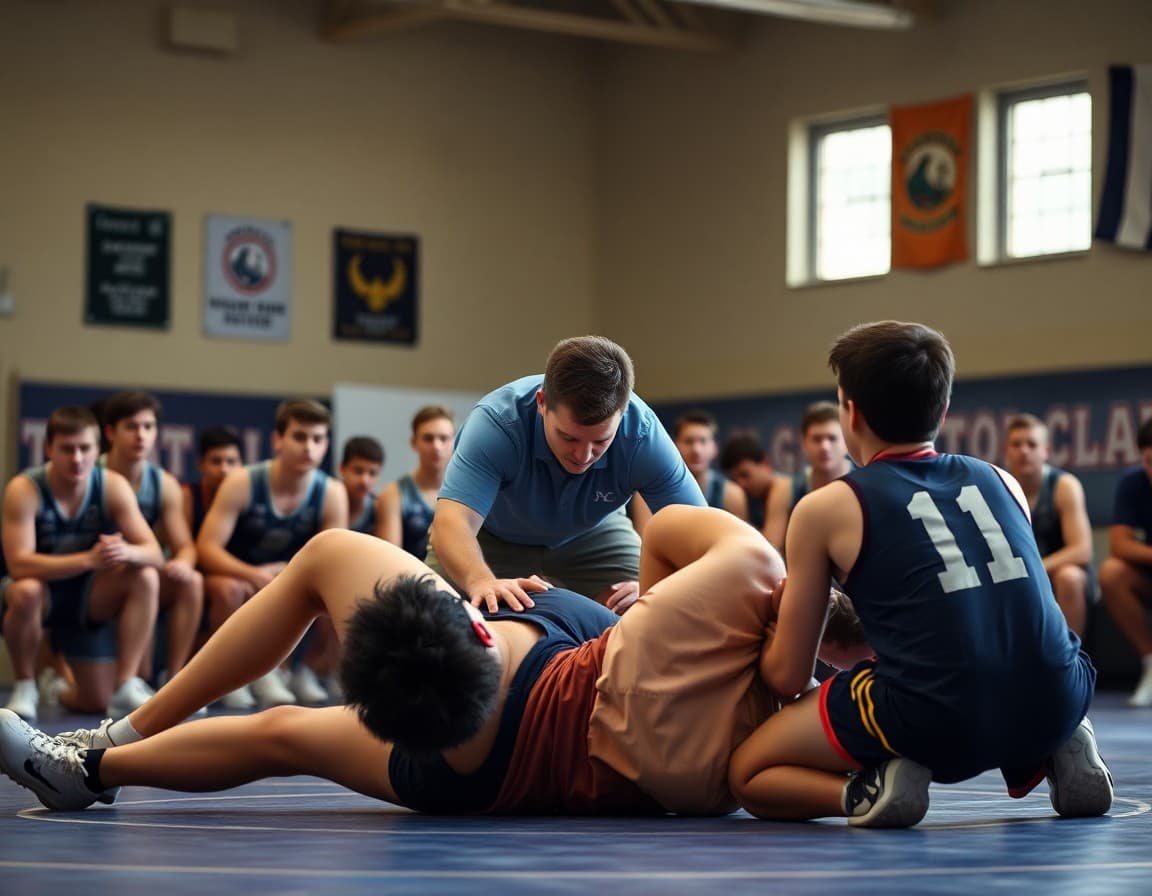
Wrestling is one of the most misunderstood high school sports from a parent perspective. The logistics around weight classes, weigh-ins, and season structure are unfamiliar to most families. A thorough preseason newsletter not only answers the common questions but builds trust with families who might otherwise feel anxious about letting their student participate.
Start With an Honest Description of the Sport
A paragraph on what high school wrestling actually involves, one-on-one competition, technique over brute strength, and the discipline of maintaining conditioning and weight, sets the right frame. Many parents' only reference for wrestling is professional entertainment, which is very different. Grounding the newsletter in the real sport builds credibility immediately.
Explain Weight Classes and Weigh-Ins
Describe how weight classes are structured in your state and how athletes are placed in a weight class. Explain the weigh-in process: when it happens relative to competition, who is present, and what happens if an athlete comes in over weight. This is the part of wrestling parents ask about most. Being direct about it in the newsletter prevents a lot of confusion.
Address Weight Management and Nutrition
Be explicit about your program's approach to weight management. State that your program follows NFHS guidelines, that extreme cutting is not permitted, and that you prioritize athlete health over weight class optimization. If your school uses a weight management software to track safe weight loss, mention that. Families who see this addressed directly are more comfortable with the program.
Share the Dual Meet and Tournament Schedule
List every competition with date, opponent or tournament name, location, and start time. For tournaments, explain the format: multiple bouts in a day, how brackets work, and when parents can expect the day to end. Tournament days are long, and families need to plan accordingly.
Describe Practice Times and Expectations
List practice days, times, and location. Wrestling practice is physically demanding. Let families know what to expect in terms of conditioning work, drilling, and live wrestling rounds. Note any preseason or off-season workouts if they're part of the program's development plan.
Cover Hygiene and Skin Condition Protocols
Explain your program's skin infection prevention and reporting policy. Athletes with active skin conditions cannot compete until cleared by a trainer or physician. Daily hygiene expectations, showering after practice, washing gear regularly, help prevent infections from spreading. Parents who understand the policy support it at home.
State Academic Eligibility Requirements
Remind families of the grade and attendance standards athletes must meet. Wrestling season runs through the winter marking period, which is often a challenge for athletes who started the year without strong study habits. Encouraging academic proactivity in October prevents eligibility problems in January.
Close With How to Reach the Program
Give parents a way to contact you with questions and note when you're available. Daystage is a practical way to keep wrestling families updated throughout the season, from schedule changes to tournament results, without relying on one-off emails or texts that get buried.
Get one newsletter idea every week.
Free. For teachers. No spam.
Frequently asked questions
What should a wrestling season newsletter include?
Cover weight classes and the weigh-in process, dual meet and tournament schedule, practice times, safety and hygiene protocols, skin condition policies, academic eligibility requirements, and the NWCA or state association nutrition guidelines. Wrestling has unique logistics compared to other sports that families need to understand.
How do weight classes work in high school wrestling?
Wrestlers compete in specific weight classes rather than against anyone their size. Athletes are weighed in before each competition and must come in at or below their class limit. Your newsletter should explain how weight class assignment works and what the school's approach to weight management and nutrition is.
How do you address weight cutting concerns with parents?
Extreme weight cutting is dangerous and is not allowed under NFHS and most state association rules. Your newsletter should explicitly state that your program does not support unhealthy weight management, describe the monitoring process in place, and encourage families to contact you with concerns.
What hygiene and skin condition protocols apply to wrestling?
Wrestlers are in close physical contact and skin infections like ringworm and impetigo can spread quickly. Most programs require athletes to report skin conditions, be cleared by a trainer before competing, and follow specific hygiene practices. Families should know this policy before the season starts.
What tool works best for high school teacher newsletters?
Daystage makes it easy to communicate wrestling program specifics to families throughout the season. You can share tournament schedules, weigh-in reminders, and meet results in one consistent place. For a sport with as many unique logistics as wrestling, clear parent communication is essential.

Adi Ackerman
Author
Adi Ackerman is a former classroom teacher and curriculum writer with 8 years in K-8 schools. She writes about school communication, parent engagement, and what actually works in real classrooms.
More for High School
Ready to send your first newsletter?
3 newsletters free. No credit card. First one ready in under 5 minutes.
Get started free