
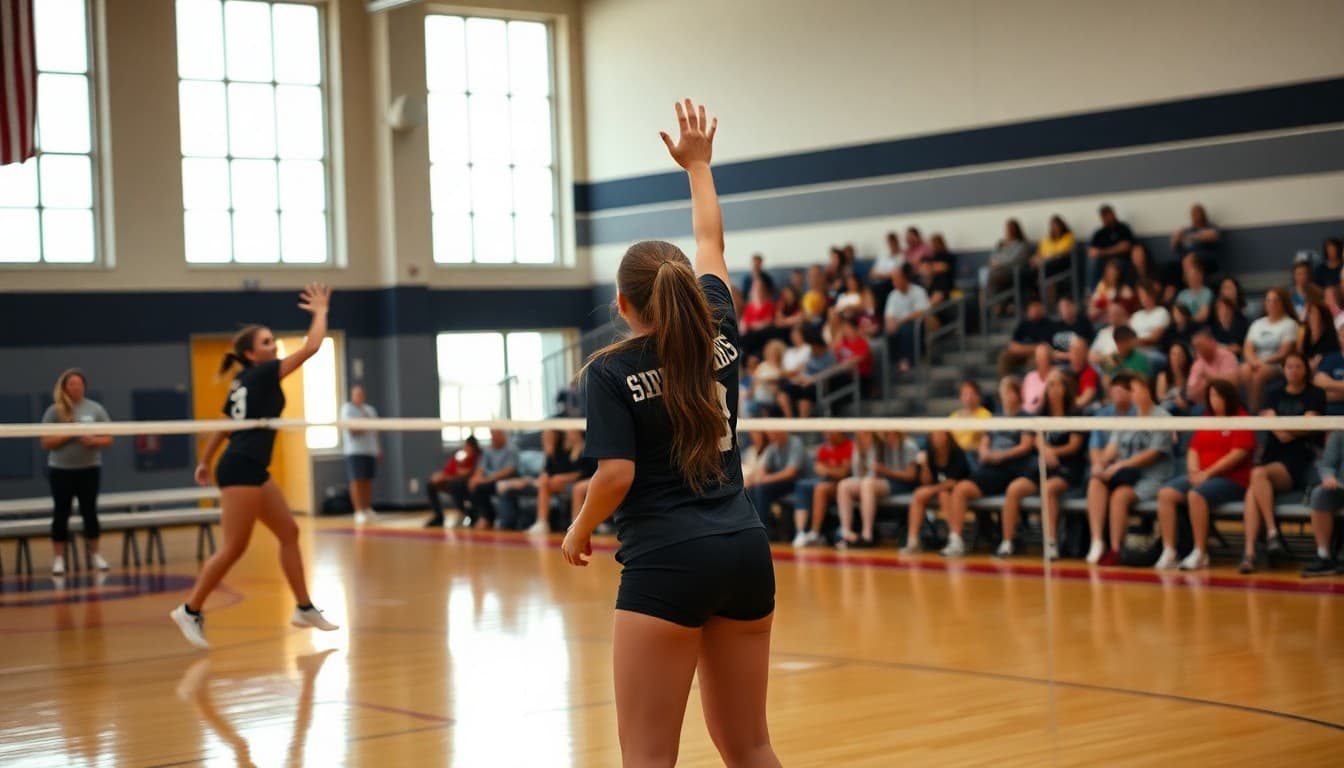
Teacher Newsletter for Volleyball Season: A Coach's Guide

Volleyball season moves quickly from tryouts to playoffs. Parents who don't know what to expect show up at the wrong gym, ask about playing time at the wrong moment, or let academic issues slide until it affects eligibility. A clear newsletter at the start of the season prevents most of that.
Start With a Season Overview
Tell families how the season is structured: when it starts, when playoffs typically fall, how many matches are on the schedule, and what the weekly practice commitment looks like. If you run JV and varsity separately, clarify upfront that each team has its own schedule and that this newsletter covers both or specify which one you're addressing.
Share the Practice Schedule
List practice days, times, and gym location. Note any weeks when practice changes due to holidays, teacher workdays, or gym conflicts with other programs. If athletes need to bring specific gear to each practice, like kneepads or practice shoes, say so. Small logistics handled in the newsletter save repeated announcements during practice.
List the Match Schedule
Include the full calendar with dates, opponents, home or away designation, and start times. For home matches, note whether admission is charged and whether students get in free with a school ID. For away matches, include the address and transportation details. Parents who want to attend need that information early enough to plan.
Explain Roster and Playing Time Decisions
Set expectations early. Coaches make playing time decisions based on practice effort, skill development, and team needs. A short paragraph on this in your newsletter, written professionally, heads off the conversations that happen in parking lots after matches. It's not a commitment to equal minutes. It's transparency about how decisions get made.
Cover Academic Eligibility Requirements
List the GPA or credit requirements athletes must meet and note when eligibility checks happen during the season. Let parents know that missing the threshold means sitting out matches regardless of skill level. Families who know this early tend to stay more proactive about their student's academic standing.
Describe Uniform and Gear Expectations
Tell families what the school provides and what athletes are responsible for purchasing. Knee pads, athletic shoes with non-marking soles, and proper shorts or spandex are common. If there's a team warm-up or spirit wear available to purchase, include that information and any ordering deadline.
Address Team Conduct Standards
A short paragraph on sportsmanship, social media behavior during the season, and expectations around team travel helps set the tone. Athletes who understand that their behavior on road trips and in public represents the program are more likely to hold that standard.
Let Families Know How to Reach You
Give parents a clear contact method for questions or concerns. Specify when you're available and note that sideline conversations during or immediately after matches aren't the right time for individual concerns. Daystage makes it easy to keep parents updated with mid-season newsletters so questions are answered before they become frustrations.
Get one newsletter idea every week.
Free. For teachers. No spam.
Frequently asked questions
What should a volleyball season newsletter include?
Cover the practice schedule, match calendar, eligibility requirements, uniform and gear expectations, team conduct standards, and how to contact the coaching staff. If your program has a booster club or parent volunteer structure, include that information too.
How do JV and varsity rosters affect what you communicate?
If your school has both JV and varsity teams, make clear in your newsletter which schedule applies to each group. Practice times, match schedules, and travel logistics often differ. Parents and athletes who aren't sure which team applies to them need that clarity from the start.
What academic standards do volleyball athletes need to meet?
Most states require athletes to be passing a minimum number of classes and maintain satisfactory attendance to remain eligible to play. Sharing those requirements in your preseason newsletter means families can't claim they didn't know when eligibility issues come up mid-season.
How can parents support a high school volleyball player?
Attending matches, managing post-practice recovery with adequate sleep and nutrition, and keeping the home environment calm around competition days all help. Parents who badger coaches about playing time or critique teammates undermine team culture. Your newsletter can address that boundary respectfully.
What tool works best for high school teacher newsletters?
Daystage is built for school communication and works well for athletic programs. You can send preseason information, mid-season updates, and postseason recaps to all volleyball families from one platform. Parents who feel consistently informed stay more positive and engaged all season.

Adi Ackerman
Author
Adi Ackerman is a former classroom teacher and curriculum writer with 8 years in K-8 schools. She writes about school communication, parent engagement, and what actually works in real classrooms.
More for High School
Ready to send your first newsletter?
3 newsletters free. No credit card. First one ready in under 5 minutes.
Get started free