

Teacher Newsletter for Travel Abroad Programs: What High School Families Need to Know
Why This Communication Matters
High school programs involving travel abroad programs create experiences and opportunities that families often underestimate until a student who participated describes what it meant to them. A newsletter that communicates the value, the logistics, and the access process clearly makes these opportunities available to more students.
What to Cover in Your Newsletter
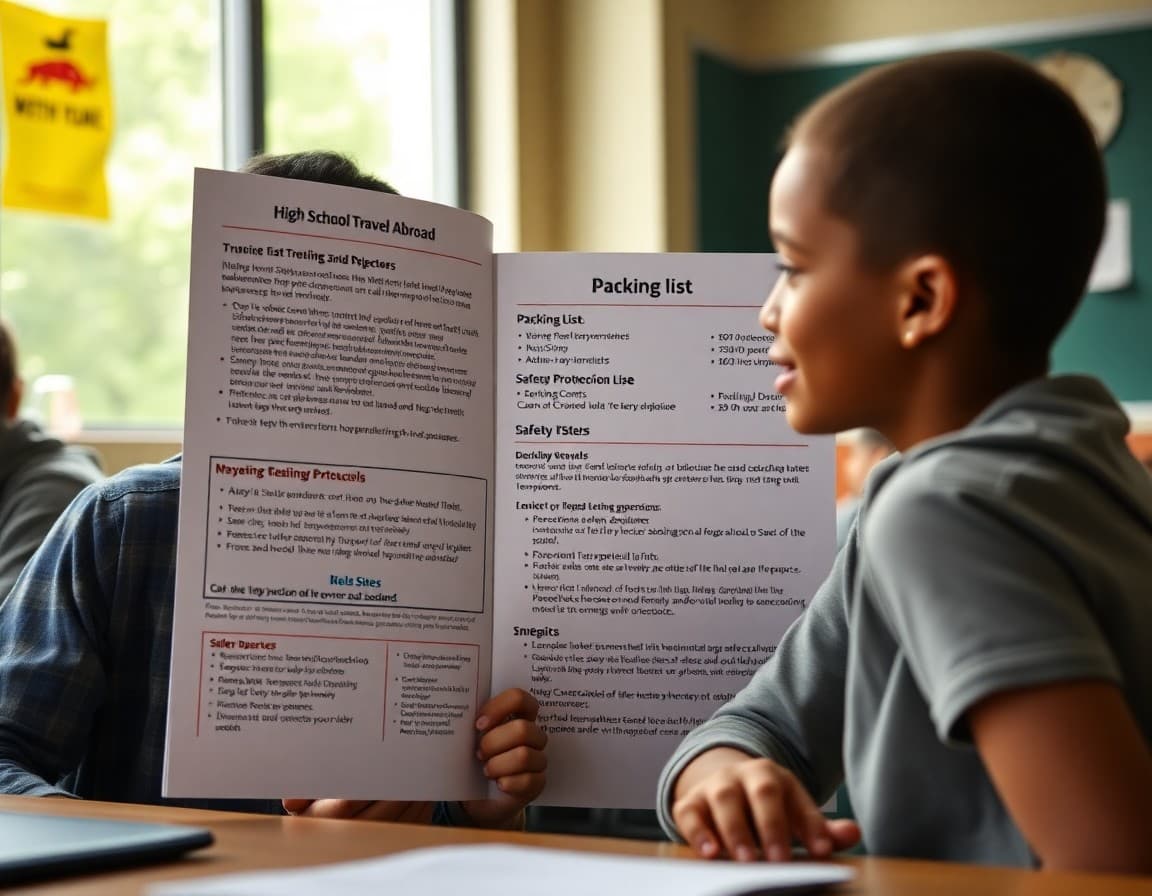
Cover what the program involves, who is eligible, what the timeline and application process look like, any associated costs, and what families need to do to support their student's participation. Clear logistics remove the barriers that prevent families from engaging with programs they would otherwise support.
Skills and Outcomes Students Develop
Programs involving travel abroad programs develop skills and perspectives that are genuinely hard to develop any other way: cultural awareness, independence, professional communication, and the confidence that comes from navigating unfamiliar situations successfully.
How Families Can Support at Home
Parents can support their student by treating the program seriously, completing required forms on time, attending any informational meetings, maintaining open communication with the program coordinator, and asking engaged questions about what their student is experiencing.
Community and Recognition Opportunities
These programs often culminate in presentations, exhibitions, or recognition events that are meaningful to both students and families. A newsletter that invites families to these moments builds community and reinforces the program's value.
Assessment and What Success Looks Like
Assessment in these programs varies, but families benefit from understanding what success looks like: active participation, completion of required reflections or projects, and the quality of the experience rather than just its duration.
Building a Consistent Communication Habit
Communication about travel abroad programs programs should happen at the information stage (far enough in advance for families to decide), the preparation stage (logistics and what to expect), and the reflection stage (what students experienced and learned). This three-part structure creates a complete communication arc.
Get one newsletter idea every week.
Free. For teachers. No spam.
Frequently asked questions
What should a travel abroad program newsletter cover?
A travel abroad newsletter should cover the educational objectives of the trip, destination and itinerary overview, cost breakdown and payment schedule, what is included and excluded, passport and visa requirements, safety protocols and emergency contacts, what students should pack, and pre-departure preparation students need to complete.
How are high school study abroad trips safe?
Reputable high school travel programs use established educational travel companies with supervision ratios, emergency protocols, and 24-hour support. A newsletter that explains your specific safety arrangements, supervision structure, and emergency contact procedures gives families the confidence to support their student's participation rather than defaulting to concern.
What do high school students gain from international travel?
International travel develops perspective on other cultures, language exposure in authentic contexts, independence in unfamiliar environments, and the kind of experiential learning that classroom instruction cannot replicate. Students who travel internationally in high school consistently report that the experience changed how they see the world and themselves.
What should parents do before a high school study abroad trip?
Parents should ensure their student's passport is valid and current, purchase recommended travel insurance, review the trip itinerary and emergency contact information, discuss safety and communication protocols with their student, and help their student complete any pre-trip preparation requirements the program specifies.
What tool helps high school teachers send newsletters about travel abroad programs?
Daystage is built for school communication. High school teachers use it to create formatted newsletters, manage parent and student email lists, and send updates about travel abroad programs in minutes without extra design tools.

Adi Ackerman
Author
Adi Ackerman is a former classroom teacher and curriculum writer with 8 years in K-8 schools. She writes about school communication, parent engagement, and what actually works in real classrooms.
More for High School
Ready to send your first newsletter?
3 newsletters free. No credit card. First one ready in under 5 minutes.
Get started free