
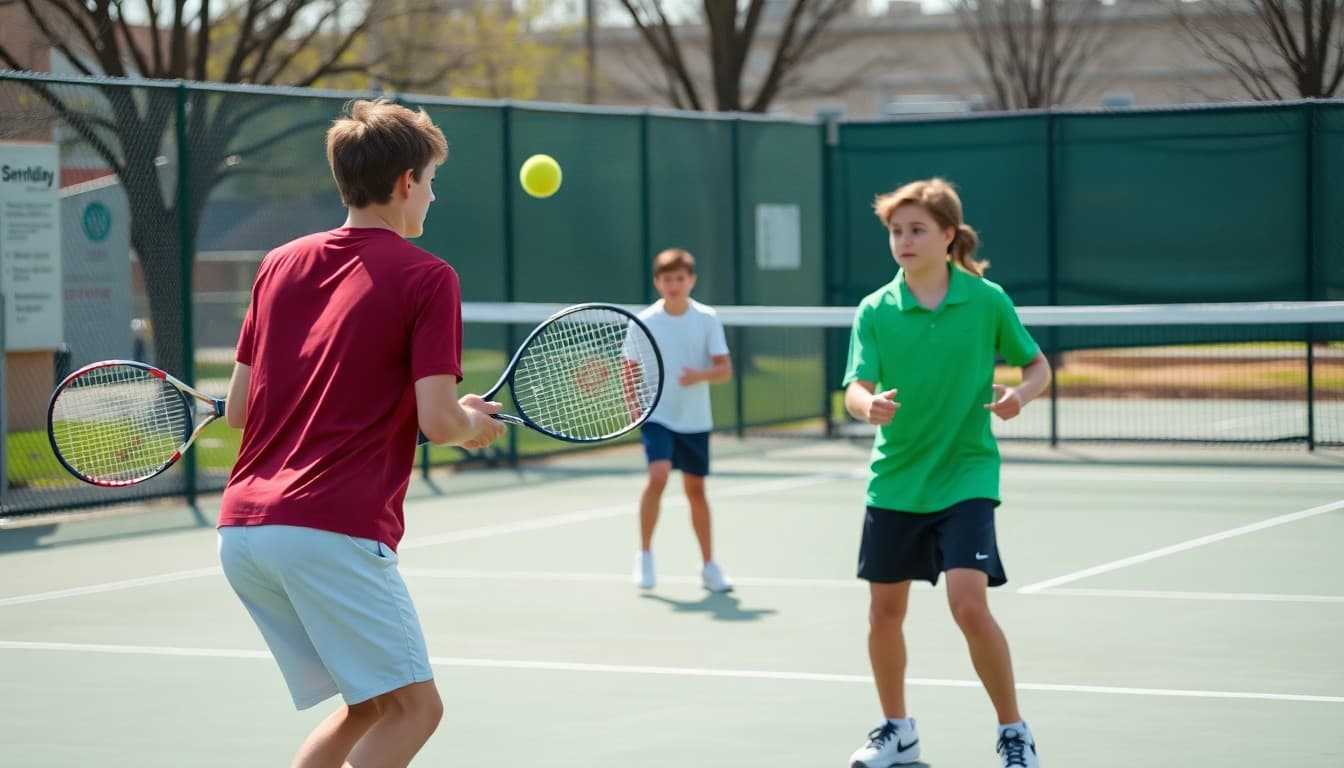
Teacher Newsletter for Tennis Season: A Communication Blueprint
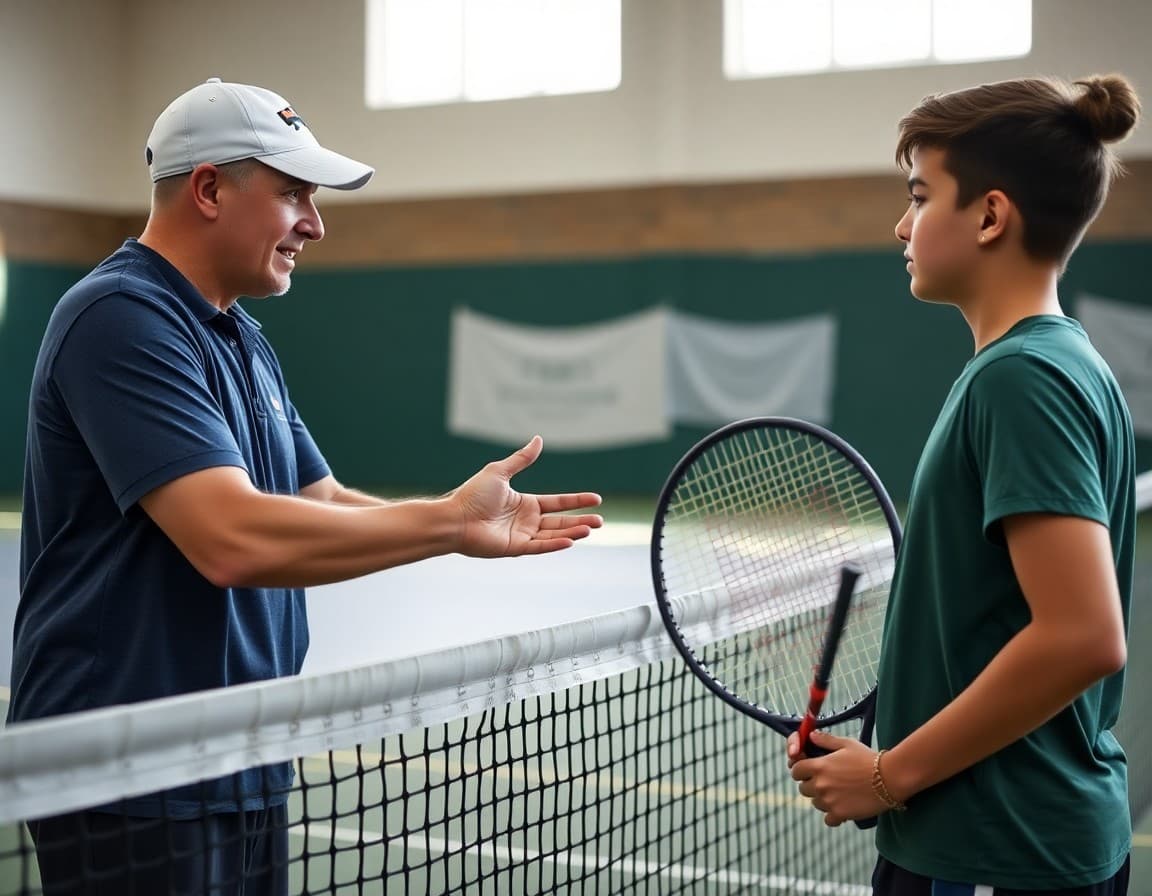
Tennis season tends to spark a specific kind of parent question: why isn't my kid in a better lineup spot? Addressing lineup decisions proactively in your newsletter, before the first match, takes most of the edge off that conversation. The rest of your communication covers the logistics that keep the season running smoothly.
Open With the Season Overview
Describe the season structure: when it runs, how many matches are scheduled, and whether your program fields varsity, JV, and junior varsity teams separately. If you have both boys and girls programs, clarify which newsletter applies to each. Parents who understand the frame are easier to communicate with throughout the season.
Explain the Lineup Process
Tell families how singles and doubles positions are determined. Whether you use challenge matches, rankings from a prior season, or direct coach evaluation, describing the process builds confidence in its fairness. Note when lineups are set and whether they change over the course of the season based on performance. This single section eliminates most of the lineup-related conversations.
Share the Practice Schedule
List practice days, times, and court locations. Note any days when courts are unavailable and practices move or shorten. If weather forces practices inside, explain what that looks like and where athletes should go. Court logistics are specific and worth spelling out for families who are new to the program.
List the Match Schedule
Include every match with the date, opponent, home or away, and start time. For away matches, note the court address. Tennis matches can run long depending on the number of flights and score progression. Give parents a realistic time range for how long a typical match day takes so they can plan pickup.
Cover Equipment Requirements
List what athletes need to bring: racket, tennis shoes, water, and appropriate athletic clothing. Note any uniform requirements for match days, specifically the difference between practice attire and match attire. If the school has rackets athletes can borrow during tryouts or early practices, mention that.
Describe the Weather Cancellation Protocol
Outdoor matches are vulnerable to rain and lightning. Tell parents exactly how cancellations are communicated, which platform you use, how close to match time you typically make the call, and what happens next. If indoor courts are available as a fallback, note that. Parents and athletes who know the process stay calm when weather threatens.
State Academic Eligibility Requirements
Tennis season often overlaps with the spring term, when seniors are particularly susceptible to senioritis and younger athletes may be managing heavy course loads. Remind families of the minimum academic requirements and when eligibility is checked. Athletes who maintain their grades avoid the frustration of missing matches for an avoidable reason.
Tell Families How to Stay Updated
Let parents know how you share match results, schedule changes, and lineup updates during the season. Daystage makes it easy to send a quick recap after a match day or a heads-up before a big competition, keeping families connected to the program without requiring individual outreach.
Get one newsletter idea every week.
Free. For teachers. No spam.
Frequently asked questions
What should a tennis season newsletter include?
Cover the match schedule, court locations for home matches, the lineup selection process for singles and doubles, equipment requirements, academic eligibility standards, and how weather delays or cancellations are communicated. Tennis lineup decisions often generate parent questions, so address that directly.
How does lineup selection work in high school tennis?
Coaches typically assign singles and doubles positions based on ladder challenges, practice performance, or direct observation. The number one singles player is usually the strongest overall player. Doubles pairings are often based on complementary playing styles. Your newsletter should describe how your program makes these decisions.
What equipment does a high school tennis player need?
Athletes need their own racket, appropriate tennis shoes with non-marking soles for indoor courts, and tennis balls for practice. The school typically provides team shirts or uniforms. Some programs use a specific racket brand or string tension recommendation, which should be noted if relevant.
How do weather delays affect tennis matches?
Outdoor tennis is weather-dependent and matches are frequently delayed or postponed due to rain. Your newsletter should explain how weather cancellations are communicated, whether matches move to indoor courts if available, and how makeup dates are scheduled. Clear protocol prevents confusion on rainy days.
What tool works best for high school teacher newsletters?
Daystage is a reliable choice for tennis program communication. You can share the match schedule, lineup updates, and weather cancellation notices in one place that parents can check on their phones. Consistent communication from the program makes a significant difference in how families experience the season.

Adi Ackerman
Author
Adi Ackerman is a former classroom teacher and curriculum writer with 8 years in K-8 schools. She writes about school communication, parent engagement, and what actually works in real classrooms.
More for High School
Ready to send your first newsletter?
3 newsletters free. No credit card. First one ready in under 5 minutes.
Get started free