
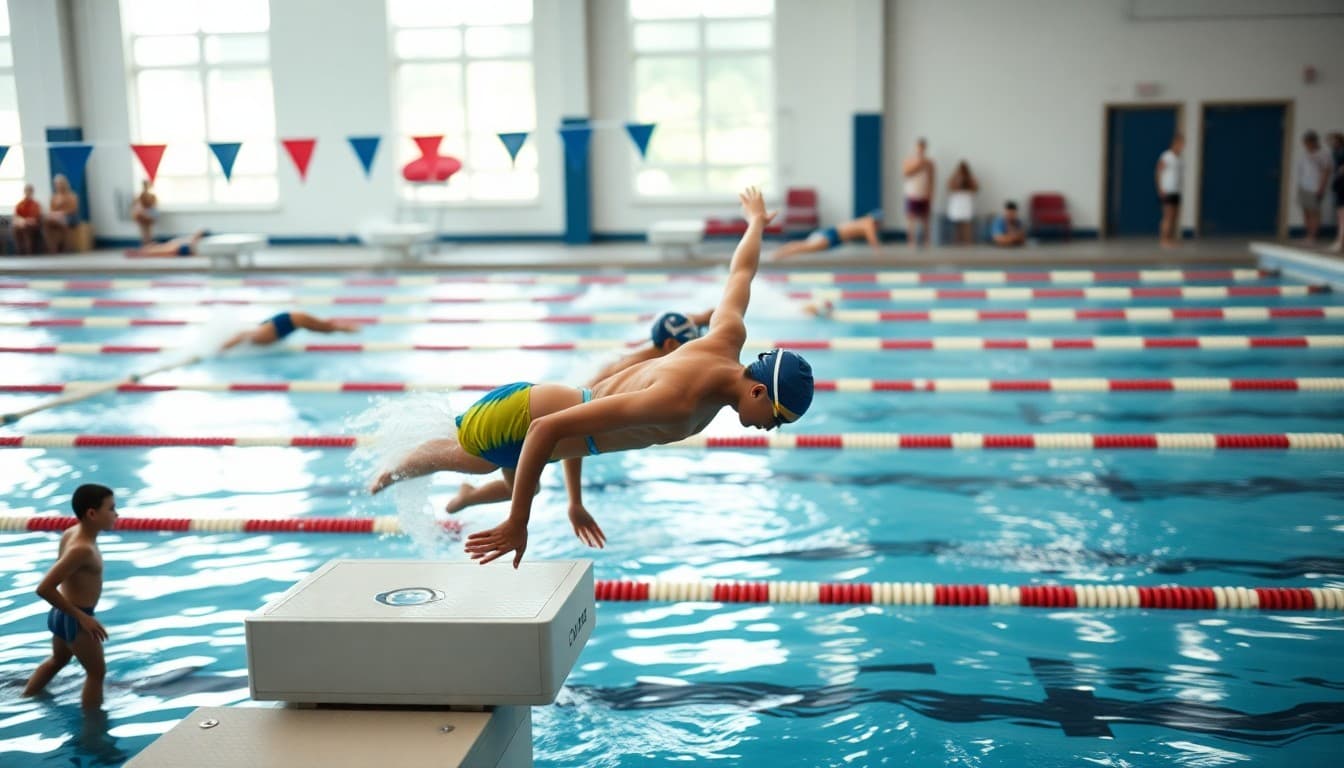
Teacher Newsletter for Swim Season: Everything Parents Need
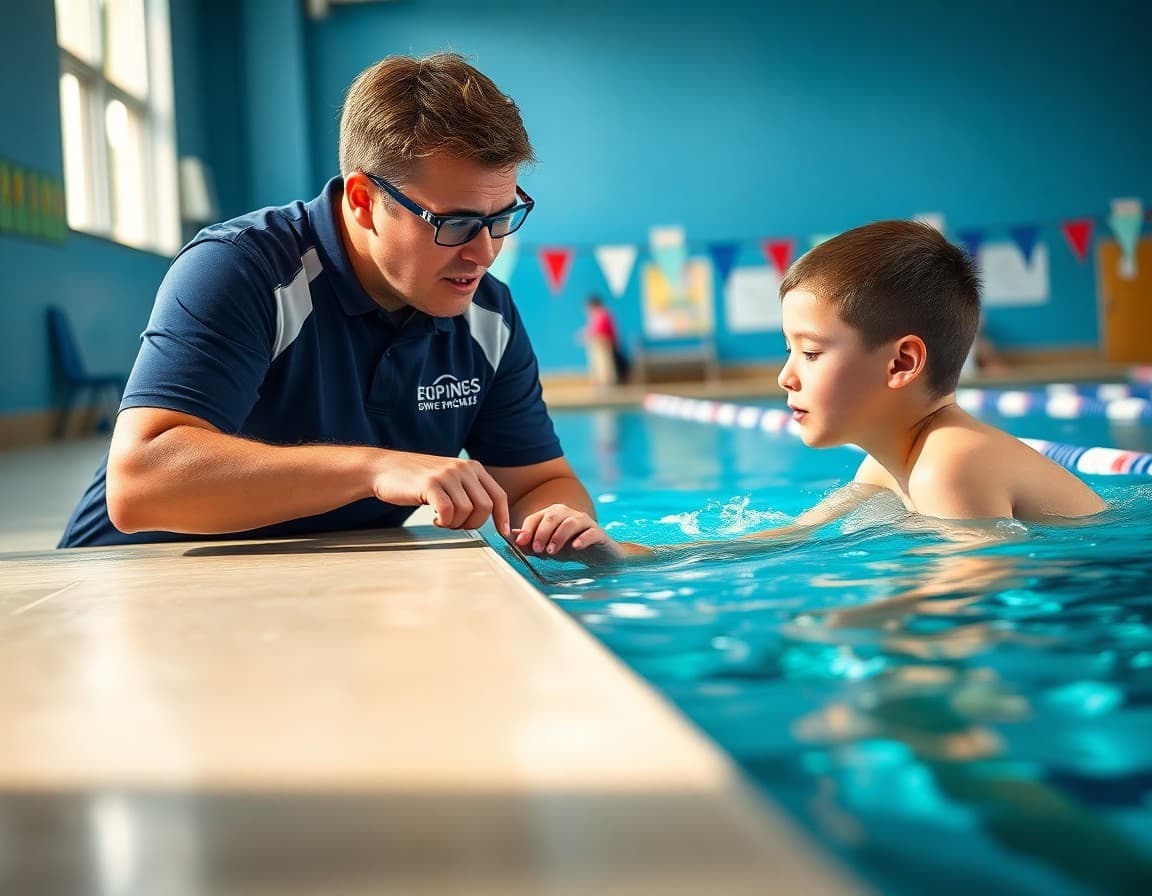
Swimming is one of the more logistically complex high school sports. Practice happens at a pool that may not be on campus. Meets involve multiple pools and events happening simultaneously. Parents who are new to the sport can feel lost. Your newsletter is what keeps them oriented.
Start With the Season Overview
Give families the big picture upfront: when the season starts and ends, how many meets are scheduled, and what the practice commitment looks like. If your team practices early mornings, afternoons, or both, say that now. Parents who understand the time commitment from the first week are better at supporting their student's schedule.
Share Practice Times and Pool Information
List the practice schedule with times and the pool address. If practices rotate between facilities or if the pool is off campus, include directions or a map link. Note any days when practice times change due to pool scheduling conflicts with other programs. These details prevent athletes from showing up at the wrong time or place.
List the Meet Schedule
Include every meet on the schedule: date, host pool, warm-up and start times, and whether it's a home or away meet. For home meets, note whether parents need to volunteer for timing or hospitality roles. For away meets, cover transportation and expected return times. Parents who can see the full schedule plan their own calendars around it.
Explain the Event Entry Process
Tell parents how swimmers get entered into specific events. Do coaches select events based on training times? Do athletes have input? Are there qualifying standards required for championship meets? Understanding how event selection works prevents confusion when a swimmer isn't entered in the event they expected.
Cover Gear and Uniform Requirements
Spell out what the school provides and what families need to purchase. A team suit, approved goggles, and a cap are the minimum. If there's a specific brand or style required for competition, say so early enough that families can order. Training gear like fins or pull buoys may be optional, but mentioning them helps families who want to supplement practice.
Address Academic Eligibility
Remind families of the academic requirements athletes must meet to compete. Swim season can overlap with challenging midterm periods. Athletes who let grades slip mid-season face eligibility issues right when competitions matter most. Encouraging regular check-ins on academic standing throughout the season prevents surprises.
Note Nutrition and Recovery Expectations
Swimming burns significant calories, especially with morning and afternoon practices. Athletes who don't eat enough will fatigue faster and recover more slowly. A brief note in your newsletter on the importance of real meals, not just snacks, before and after practice helps families understand why their swimmer is constantly hungry.
Tell Families How to Stay Connected
Let parents know how you communicate schedule changes, meet results, and season updates. Daystage is a reliable way to keep swim families in the loop without fielding individual texts and emails all season. One clear channel where parents know to look saves everyone time.
Get one newsletter idea every week.
Free. For teachers. No spam.
Frequently asked questions
What should a swim season newsletter include?
Cover practice times and pool locations, meet schedule with host pools, event entry process, gear and suit requirements, academic eligibility standards, and how to communicate with the coaching staff. Include any volunteer opportunities for timing or hospitality if your school uses parent help at meets.
What gear do high school swimmers typically need?
At minimum, athletes need a competition suit approved by the team, goggles, a cap, and a practice suit for daily training. Many coaches also recommend a drag suit for training, fins, and a pull buoy. Your newsletter should clarify what the team provides versus what families purchase.
How do meet entry cuts work in high school swimming?
In many programs, athletes must achieve a qualifying time in practice or an early meet to enter certain events at larger invitationals or championship meets. If your program uses qualifying standards, your newsletter should explain how and when those times are submitted or updated.
How do parents support a high school swimmer?
Consistent sleep and good nutrition matter enormously in a sport that often demands early morning practice. Parents can help by managing family schedules around early departures, ensuring athletes eat well before practice, and keeping meet travel logistics organized so nothing falls through.
What tool works best for high school teacher newsletters?
Daystage is a practical choice for swim program communication. You can send the season calendar, meet results, and mid-season updates to all swim families in one place. Parents who get consistent communication from the program stay more engaged and better prepared.

Adi Ackerman
Author
Adi Ackerman is a former classroom teacher and curriculum writer with 8 years in K-8 schools. She writes about school communication, parent engagement, and what actually works in real classrooms.
More for High School
Ready to send your first newsletter?
3 newsletters free. No credit card. First one ready in under 5 minutes.
Get started free